Reef friendly or ‘greenwashing’? What to look for on your sunscreen label this summer
Every Kiwi has grown up with the message “slip, slop, slap and wrap” rightly drummed into them since their preschool days.
The sticky sand-gathering feel and iconic smell of sunscreen are synonymous with summer days spent at the beach eating fish and chips after a swim.
But in recent years, doubts have been raised by watchdogs such as Consumer NZ over whether commonly-used sunblock brands actually do what they say on the label, and by researchers over whether those chemicals are just as bad for us, and the environment, as the effects of the sun’s rays.
So, what’s a sunburnt Kiwi to do?
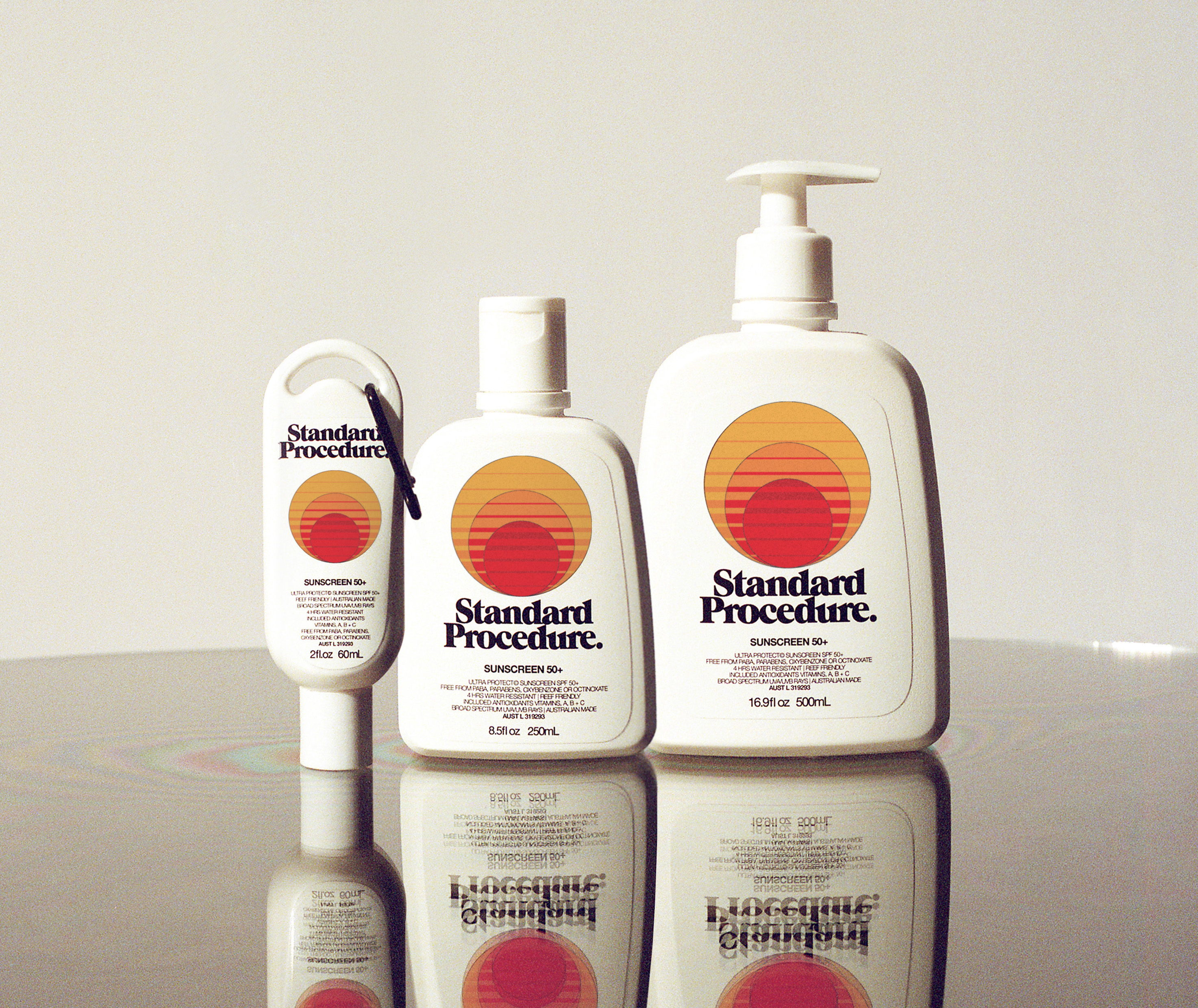
The founders of Aussie sun care brand Standard Procedure know a thing or two about sun protection and what we should be looking for on the label.
Founders Dion Agius, a professional surfer, and Zepha Jackson, who describes herself as an “advocate for transparent manufacturing” wanted to create a clean and simple sunscreen without “nasty chemicals” that still works to keep the sun at bay.
It’s important to know the difference between chemical and physical sunscreen. Chemical sunscreen absorbs into the skin, absorbs UV rays and contains active ingredients, while physical sunscreen, like Standard Procedure, forms a barrier on the skin and reflects the sun’s rays.
Making sunscreen is in Jackson’s blood. The daughter of sunscreen manufacturers, she spent most of her childhood hanging out in the factory. After working in fashion for several years, she returned to the fold during Covid-19 and realised her expertise in that industry would lend itself to making sunscreen as well.
As for Agius’ involvement, surfers know better than anyone how important it is to have a sunscreen that works.
“As a pro surfer, you can sometimes spend up to five or six hours in the sun at a time while shooting, and usually in the most brutal midday sunny conditions,” he says.
“So as surfers we really need something robust that can handle those conditions.”
So, what qualifies a sunscreen to claim that “ethically made” label - and how does it differ from the way other sunscreens are made?

Jackson says there’s a “real disconnect” between products and the makers of those products.
“A lot of people don’t understand that a T-shirt or any tangible object isn’t just printed out. There’s many many hands in the making of the thread, then the fabric, the dying, then finally the garment - there is a huge process that happens before it arrives at your door or on the shelf of a store. And that doesn’t differ for the cosmetics or sun care industry,” she says.
“So many products are imported into Australia, which makes knowing the true origin of all the components and manufacturers really difficult.”
The factory producing Standard Procedure is completely solar-powered and run by three generations of her family, meaning they can be involved in and understand each part of the process.
You might also spot the label “reef-friendly” on your sunscreen these days, but what does that mean?
A reef-friendly sunscreen is one that doesn’t contain octinoxate and oxybenzone, two UV-blocking chemicals which some studies have shown can cause severe bleaching of coral reefs.
But despite the fact that some countries, including Hawaii and some areas of Thailand, have banned those ingredients, there’s no real certification for “reef-friendly” status.
“Unfortunately this means the door is open to a lot of greenwashing,” Jackson explains - any beauty brand can slap a “reef-friendly” label on the bottle, but it’s essentially a marketing term.
Oxinoxate, PABA (para-aminobenzoic acid) and parabens are the other chemicals to watch out for. Even zinc-based sunscreens, which are marketed as reef-safe, can cause bleaching, according to research.
A study by marine ecology researchers Cinzia Corinaldesi and others published in the Science of the Total Environment journal in 2018 found that “uncoated ZnO [zinc] induces a severe and fast coral bleaching” under laboratory conditions.
So, hunting for an environmentally friendly sunscreen “requires the effort to dig deep and read the fine print”, Jackson adds.
“I truly believe that people want to spend their money more consciously and to use what’s good for them while choosing better options for the planet. It really comes down to just getting the word out there.”
As for the claims sunscreen doesn’t work?
“Sunscreen is the easiest and best thing for prevention,” Jackson says.
Research agrees, with the Skin Cancer Foundation reporting that using SPF daily can reduce your risk of developing squamous cell carcinoma by about 40 per cent, and melanoma by 50 per cent. It adds that using sunscreen daily helps prevent premature ageing caused by the sun - including age spots, sagging and wrinkles.
“For prevention against premature ageing and sun damage to your skin’s appearance, but even more importantly for the really serious stuff. Skin cancer is no joke and extremely common unfortunately, especially in Australia and New Zealand, so putting on a sunscreen is something we should all be adding to our morning routine as a non-negotiable,” Jackson says.
The NZ Cancer Society backs those claims, revealing that more than 90 per cent of skin cancer is caused by too much exposure to UV rays from the sun. Your risk factors increase if you burn easily or spend too much time unprotected in the sun, it adds.
So, here are a few tips for looking after your skin - not just during the summer, but year-round: