How to drink more water: Healthy ideas to help you stay hydrated in summer
If you don’t like or find it difficult to drink plain water, these 10 tips can help you keep your fluids up this season.
Have you heard the saying “water is life”? Well, it’s true.
Water is an essential nutrient. Our body cannot produce sufficient water to live, so we need to consume water through food and fluids to survive.
Maintaining hydration is one of the fundamental components of good health. But lots of people don’t like drinking plain water much. The good news is there are many other healthy ways to help you stay hydrated.
Why hydration is important
Water is vital for many aspects of body functioning. About half our blood is “blood plasma”, which is more than 90 per cent water. Blood plasma is essential for carrying energy, nutrients and oxygen to the cells in the body that need it most. Water helps to remove waste products via the kidneys. It also helps keep joints lubricated, the digestive system functioning, the body’s temperature controlled and skin plump and strong.
If you don’t consume enough water, you may experience symptoms of dehydration such as headaches, dizziness, tiredness, low concentration, constipation and a dry mouth. Being severely dehydrated increases the risk of kidney stones and urinary tract infections.
If you feel thirsty, it means your body is already mildly dehydrated, so make sure you pay attention to what your body is telling you.
How much fluid do you need?
The amount of fluid we need changes as we age. Relative to our body weight, our needs decrease. So, a newborn baby has higher fluid needs (per kilogram body weight) than their parent, and older adults have lower fluid needs than younger adults.
Fluid requirements are related to metabolic needs and vary from person to person. The normal turnover of water in adults is about 4 per cent of total body weight per day. So, for example, if you weigh 70kg, you’ll lose about 2.5 to 3 litres of water a day (not including sweating). This means you will need to consume that amount of water from food and drinks to maintain your hydration.
Eight cups (or two litres) a day is often mentioned as the amount of water we should aim for and a good way to track your intake. But it doesn’t account for individual variation based on age, gender, body size and activity levels.
Alcohol is a diuretic, which means it dehydrates the body by promoting water loss through urine. This fluid loss is a key factor that contributes to the severity of a hangover. Always have a glass of water in between alcoholic drinks to help stay hydrated.
Caffeinated drinks (like tea and coffee) only have a mild diuretic effect. For most healthy adults, it’s okay to consume up to 400mg of caffeine a day – that’s about four cups of coffee or eight cups of tea. If you drink more than this, it may impact your hydration levels.
To check your specific requirements, check out the Australian guidelines for fluid intake.
People who should take extra care
Some people are at greater risk of the harmful health effects from dehydration and need to pay special attention to their fluid intake.
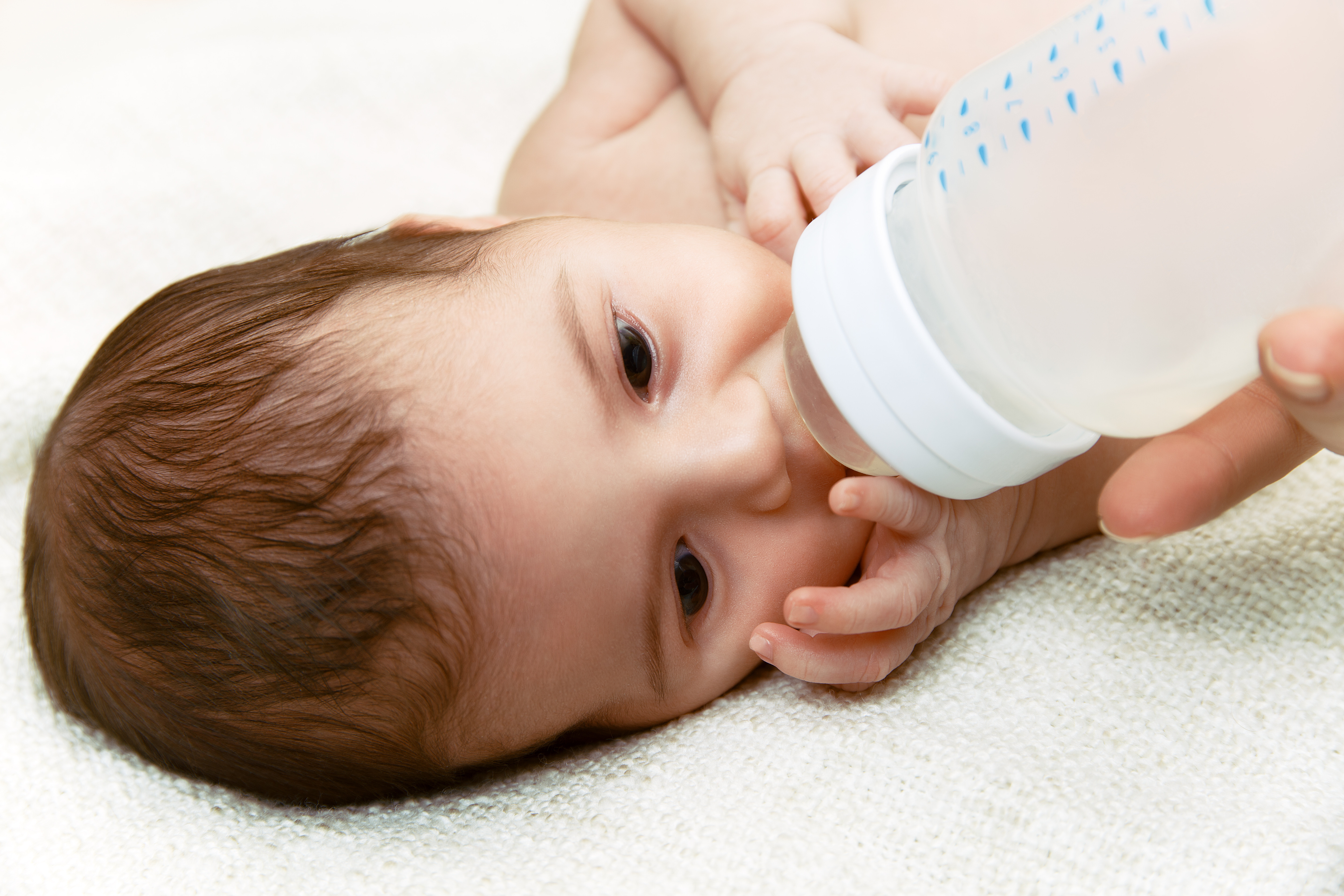
The highest priority groups are babies, young kids, pregnant women, and older adults. These groups are at greater risk for many reasons, including relatively higher water needs per kilo of body weight, reduced ability to detect and respond to symptoms of dehydration, and barriers to consuming fluids regularly.
Family and friends can play an important role in supporting loved ones to maintain hydration, especially during warm weather.
Ten ideas for keeping fluids up this summer
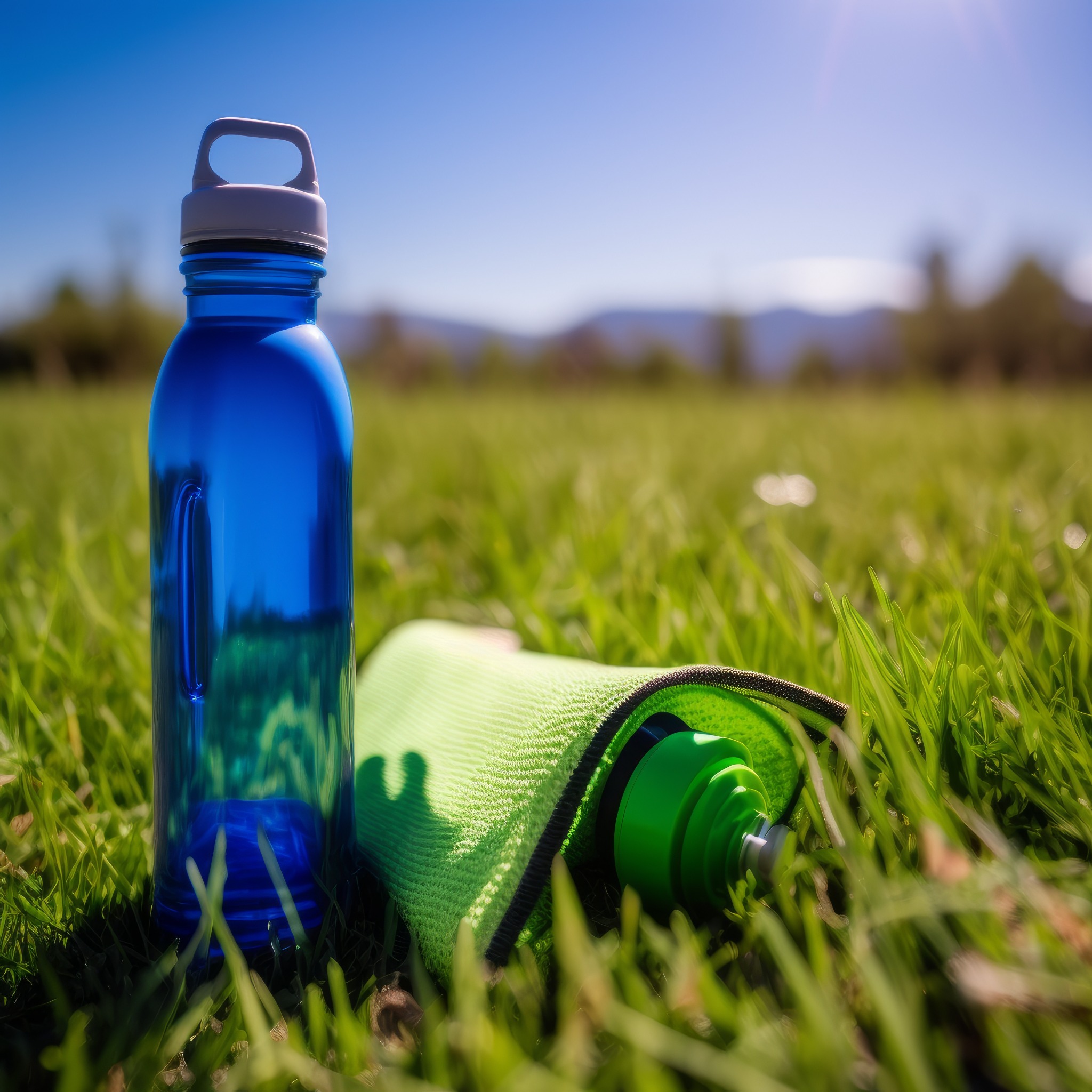
A tip on water bottles
Water bottles are everywhere and sometimes seem to offer emotional support as well as hydration.
Having a water bottle you enjoy using can go a long way in helping you keep up your fluids during the day.
Pay attention to the material of the water bottle and use one that helps you form good habits. Some people prefer metal water bottles as they can keep water cooler for longer (others feel like they are camping). Some prefer glass bottles because the water isn’t affected by any flavours from the container (others fear breaking the glass).
Consider the practical aspects, too: Will it fit in your bag? Will it be light enough to carry with you? Can you “chug” on it when you’re exceptionally thirsty? Does the lid require screwing? How durable is it in preventing leaks? Do some homework on your water bottle, an essential accessory!