From groats to quick oats: Navigating your porridge options with Nikki Birrell
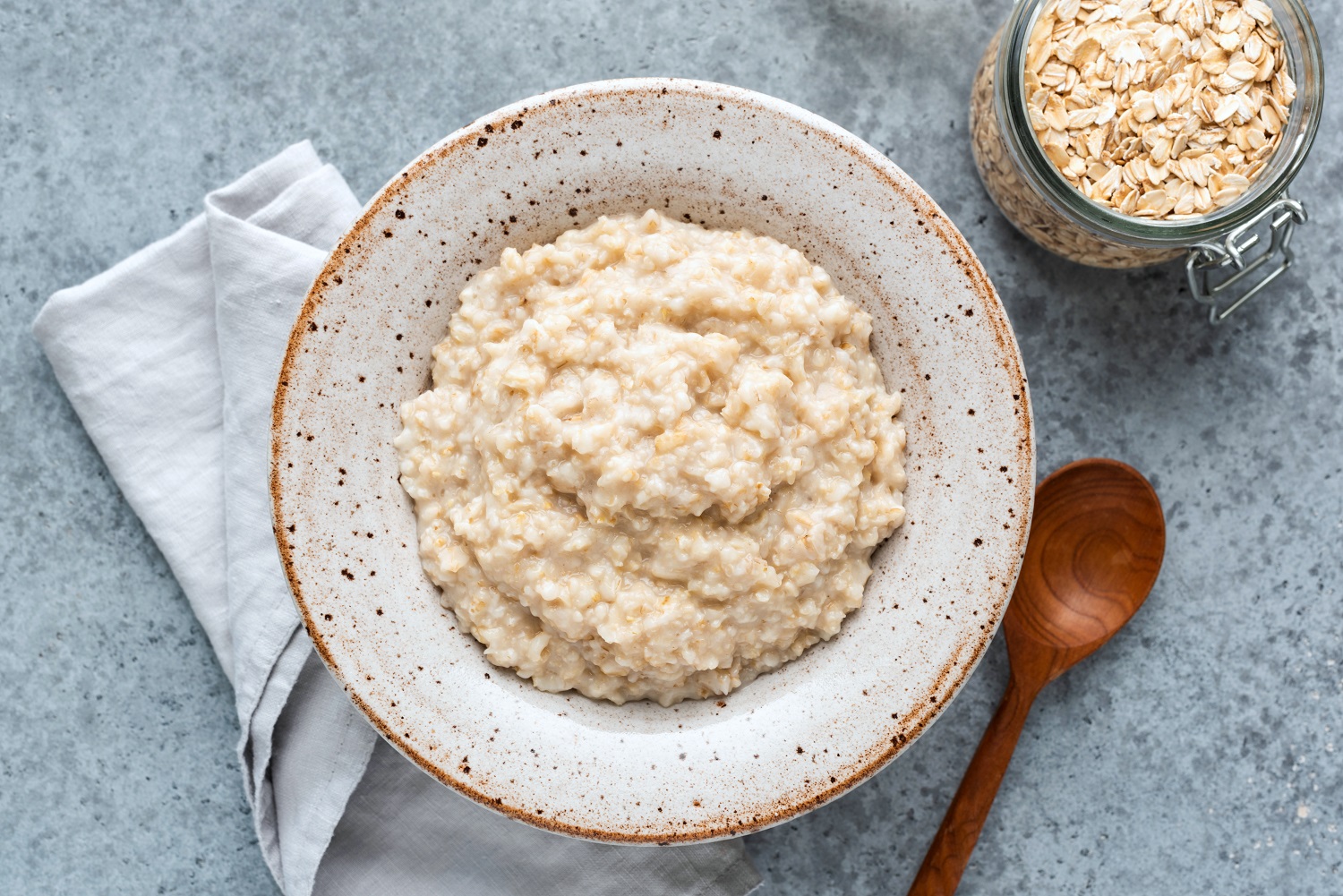
When the weather turns chilly, there’s nothing quite like a warm bowl of porridge to start the day. But with so many types of oats available, how do you choose the right one for you? Nikki Birrell explains.
From steel-cut, also known as groats, to quick-cooking, each variety of oats offers its own unique blend of texture, nutrition and convenience. Here’s a quick guide to help you find your perfect winter breakfast.
Steel-cut oats (aka oat groats)
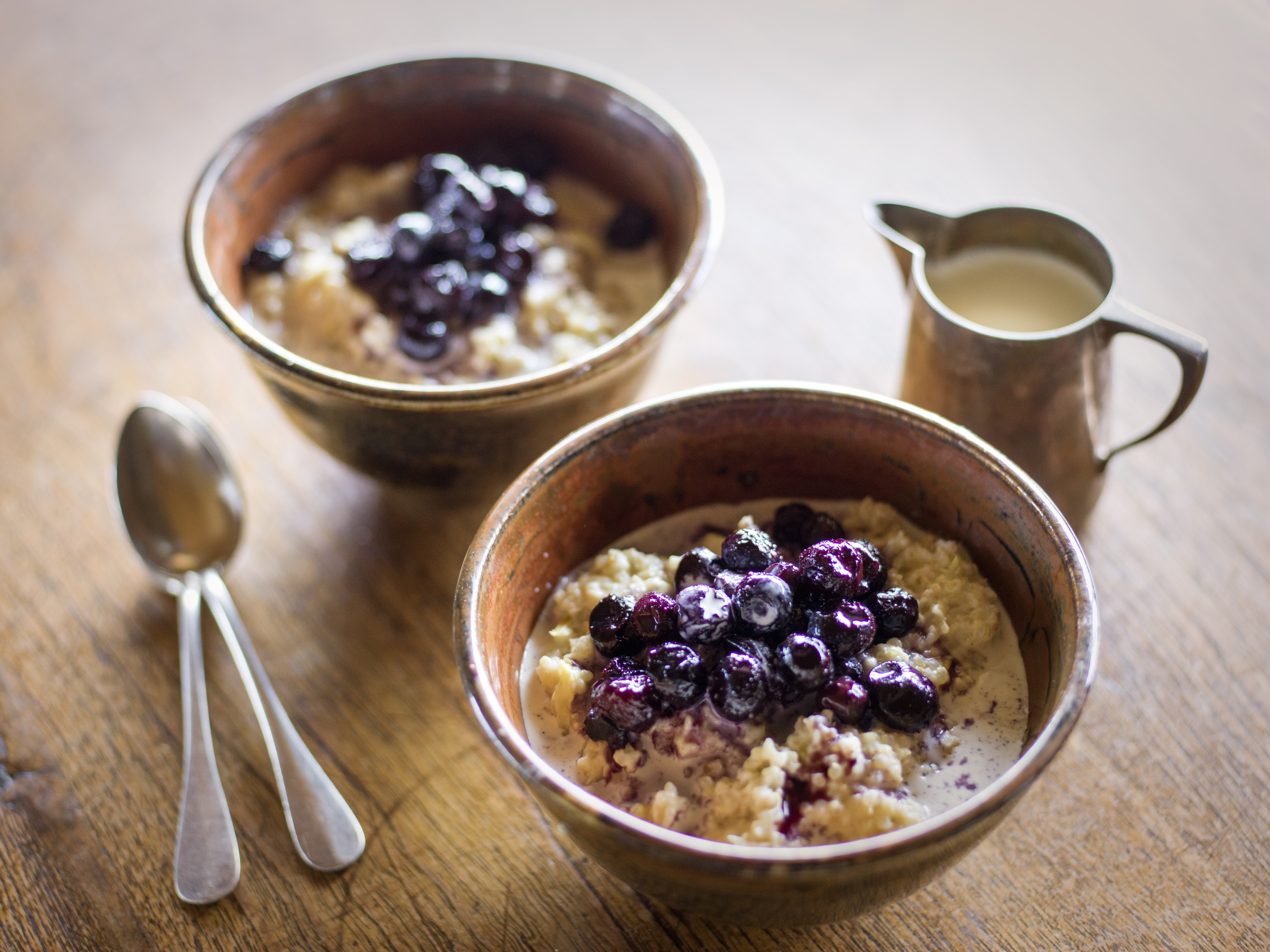
Wholegrain rolled oats (sometimes called jumbo oats)
Rolled oats
Quick cooking oats (or instant oats)
Benefits of soaking oats overnight
1. Improved digestibility: Soaking oats overnight breaks down phytic acid, a compound that can inhibit nutrient absorption. This process can make the oats easier to digest.
2. Reduced cooking time: Soaked oats cook more quickly. This can save time in the morning if you prefer a warm breakfast without the lengthy stovetop cooking.
3. Creamier texture: Soaking oats overnight can result in a creamier texture when cooked, especially for steel-cut or wholegrain oats, which tend to be chewier.
4. Enhanced nutrient absorption: By reducing phytic acid, soaking may increase the bioavailability of certain nutrients, such as iron, zinc, and magnesium, found in oats.
Tip: Soaking may soften oats more than some prefer. Experiment to find your preferred texture.
How to soak oats overnight
To soak oats overnight, follow these simple steps:
Ingredients: Use your preferred type of oats (steel-cut, rolled, etc.) and water or milk in a ratio of approximately 1:2 (oats to liquid).
Method
Exploring alternative grains
For a twist on traditional oats, consider adding alternative grains such as quinoa and chia seeds to your porridge. Quinoa, known for its high protein content, adds a nutty flavour and extra nutritional boost. Chia seeds, rich in omega-3 fatty acids and fibre, contribute a thickening texture and subtle crunch. Buckwheat, despite its name, is not wheat but a gluten-free seed packed with antioxidants and minerals. When cooked, it offers a hearty, earthy flavour that complements oats wonderfully.
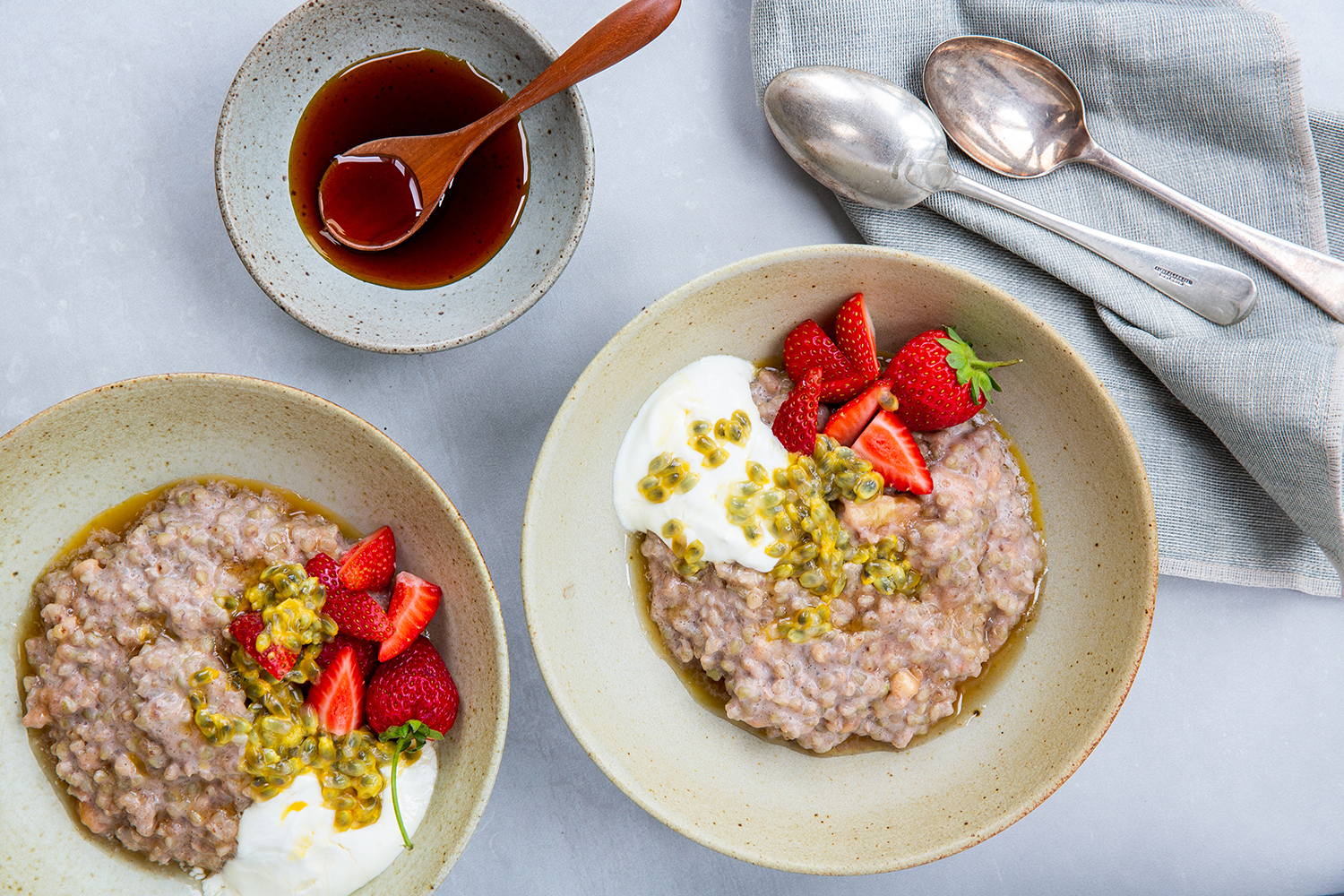
Buckwheat porridge with banana, cinnamon and strawberries recipe.
Porridge with yoghurt, peanut butter, honey swirl and banana recipe.
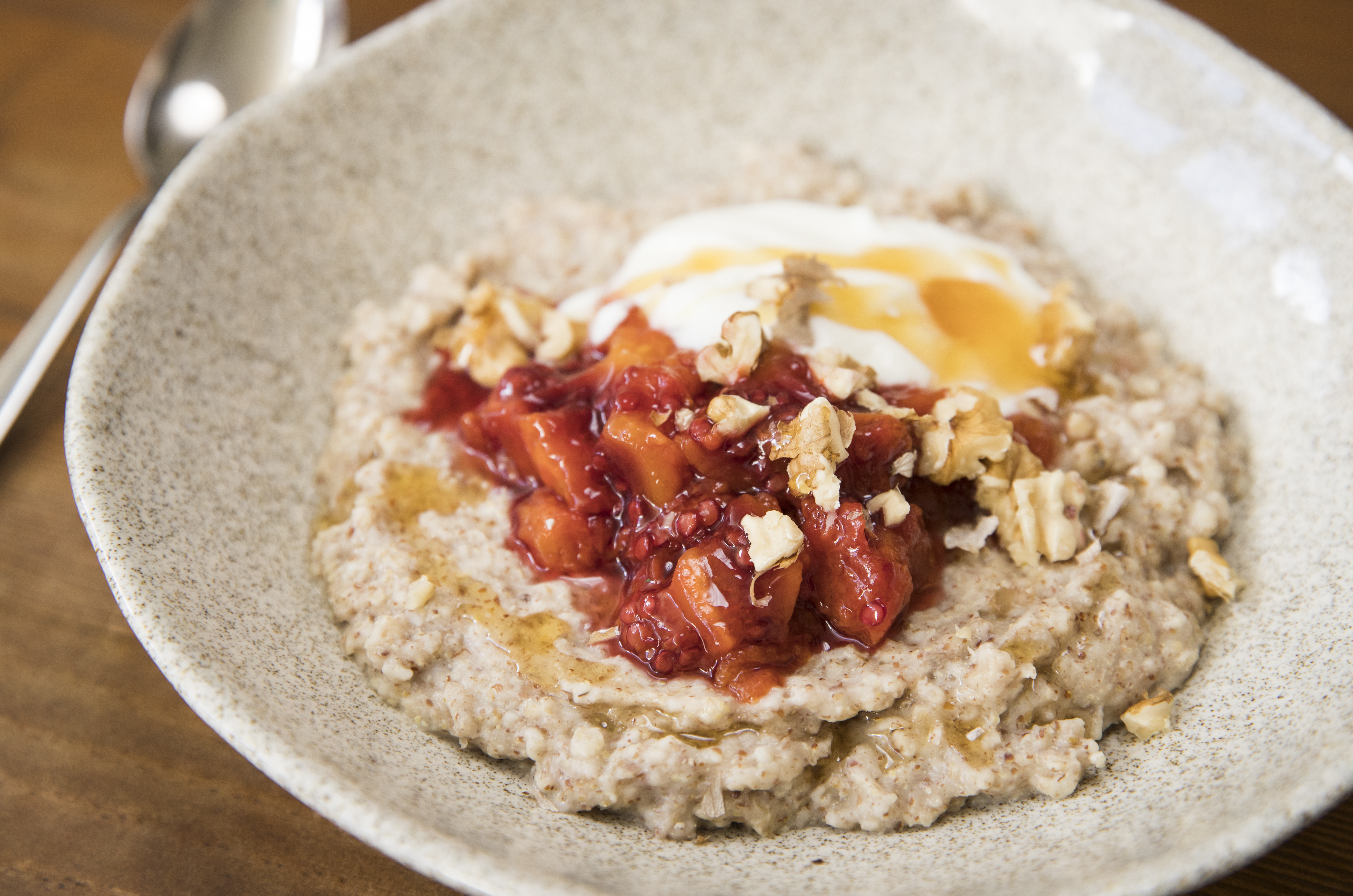
Porridge with poached tamarillos recipe.