Where to next for the legal system and the question of tikanga?
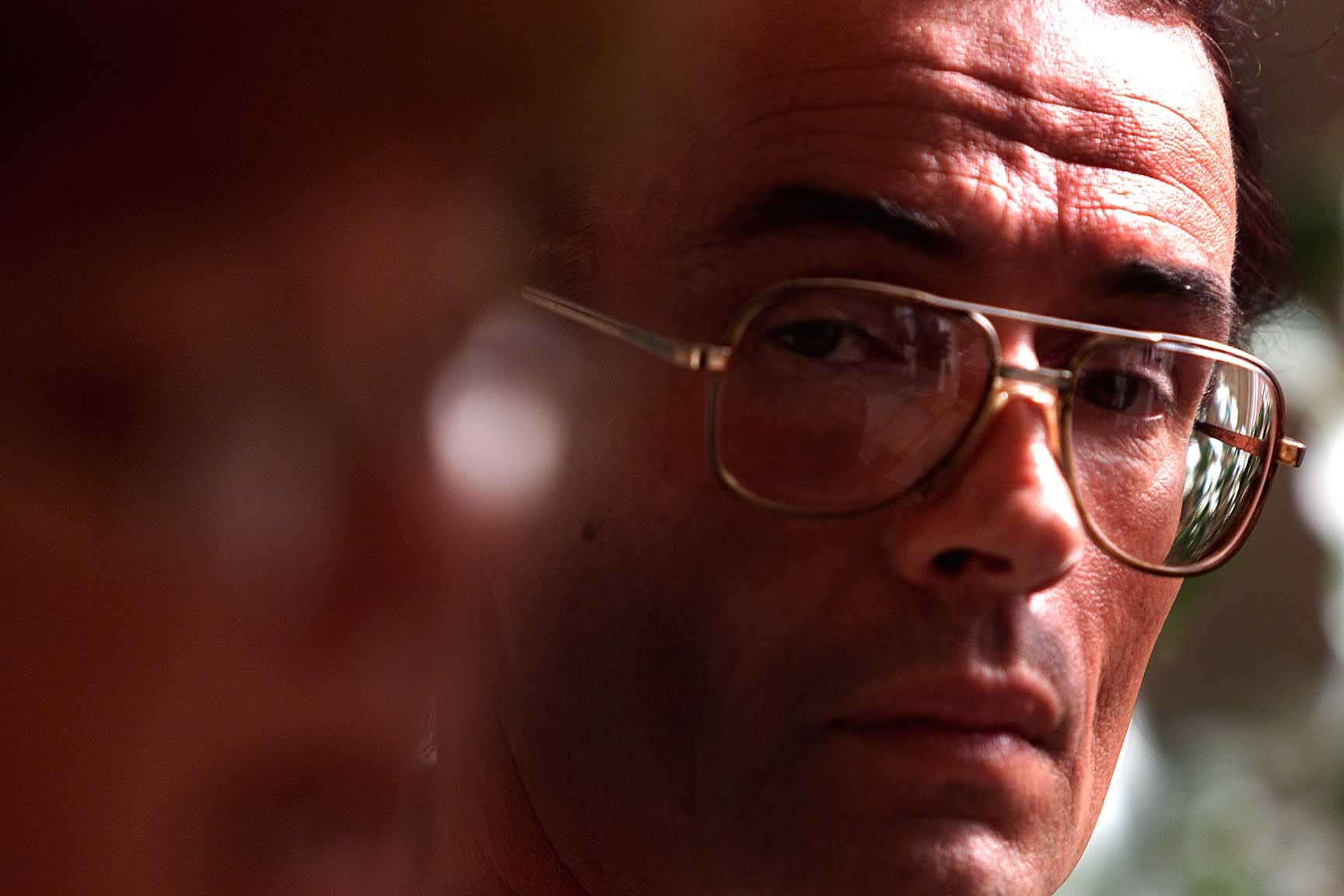
Top Māori legal minds are adamant the application of tikanga Māori in the Peter Ellis case was critical in the quashing of the charges against him.
But Māori also want to ensure that the Pākehā legal system is not tasked with defining the "integrity of tikanga. That's not good for any of us".
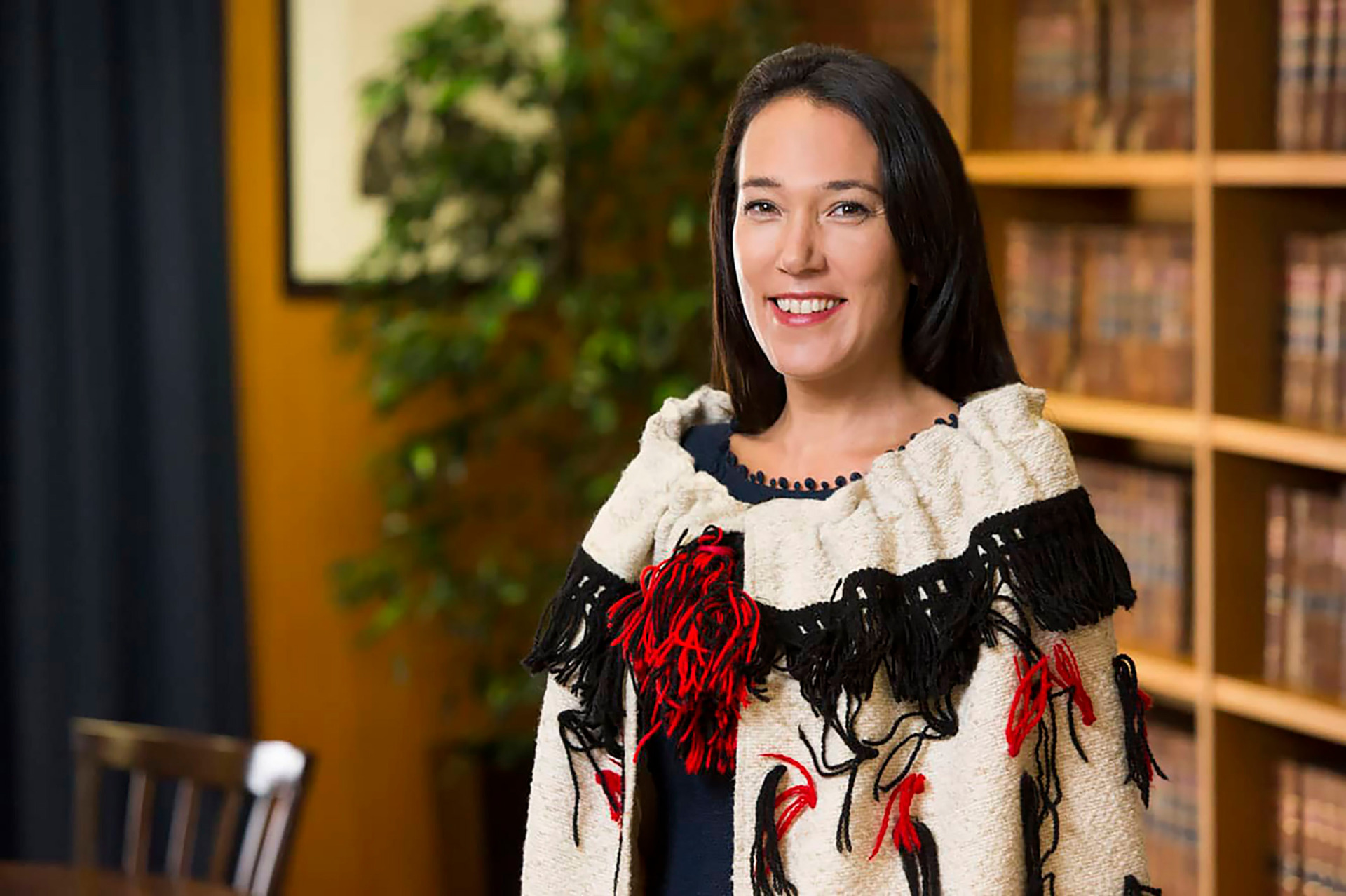
Barrister Kingi Snelgar discussed the Ellis decision with law professor Claire Charters and Māori TV presenter Moana Maniapoto on Te Ao with Moana on Monday - and more importantly the significance of the court's decision.
Last week the Supreme Court quashed all remaining charges against Christchurch creche worker Peter Ellis. He was convicted of child abuse in the 1990s and spent seven years in jail. After serving his time Ellis spent the remainder of his life trying to clear his name.
In 2019 at the age of 61, Ellis died of cancer. Months later the Supreme Court granted an appeal by his lawyers who argued his mana lasted after he died.
On Friday, the court ruled there had been a gross miscarriage of justice and said tikanga Māori applied in this case.
Snelgar said New Zealand had a really progressive Supreme Court that allowed the exploration of tikanga to be applied to common law.
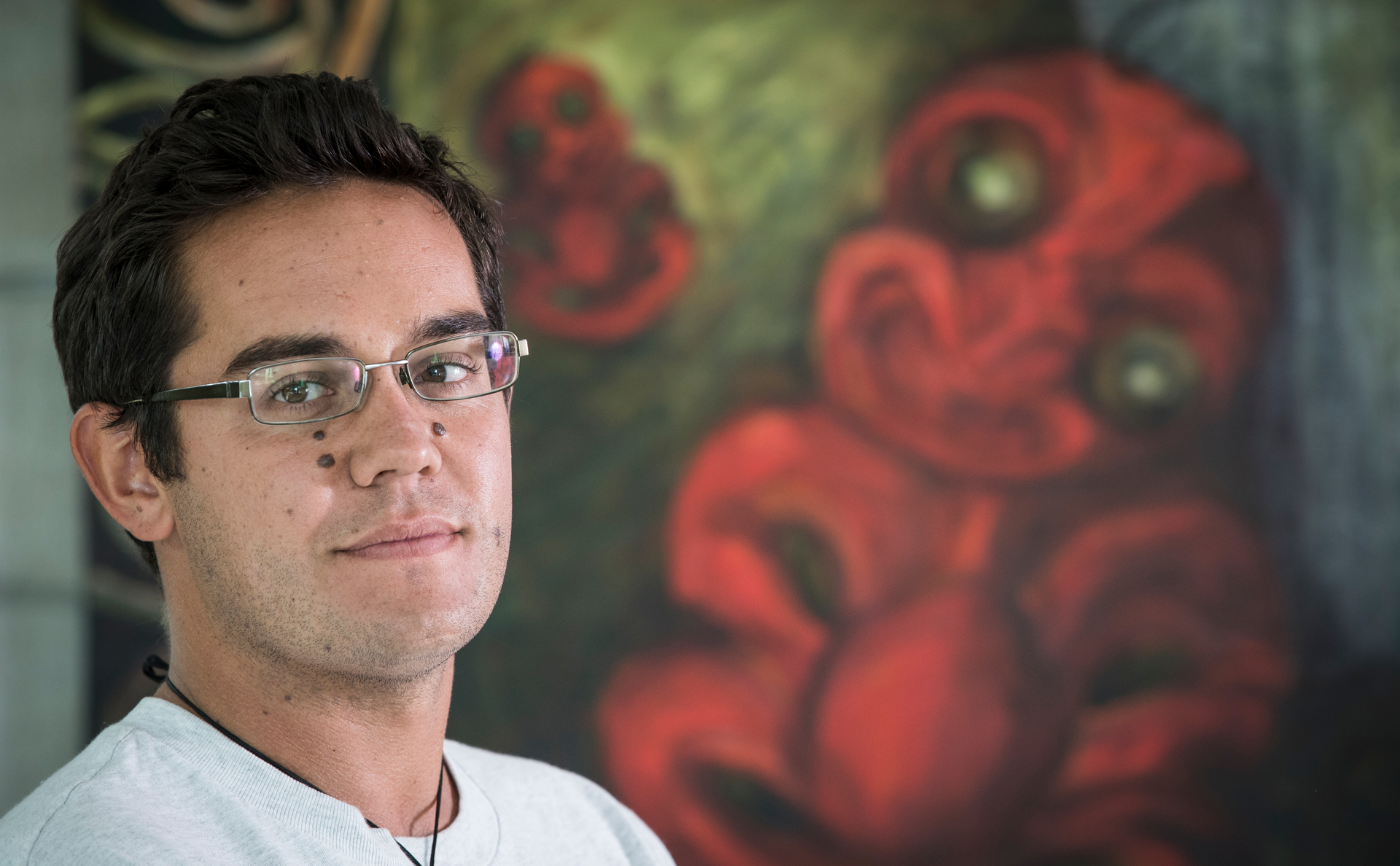
"The court says that tikanga wasn't determinative. The reality is it was a key factor in the way the decision went."
Charters said tikanga had been discussed at length and was determinative in past cases and tikanga was being rigorously applied in common law more often.
"In ways, it really establishes particularly that tikanga Māori is a separate legal system with its own authority and its own right, separate from the state legal system."
Snelgar said the future discussions of tikanga, what parts of tikanga were used and its implementation of tikanga were vitally important to Māori.
"Protecting the mana motuhake, the integrity of tikanga; are we leaving it largely to Pākehā judges what our culture is? That's not good for any of us. It's a delicate path and it's really complex."