Hawke’s Bay suicide data: Figures show no spike in suspected suicides after cyclone
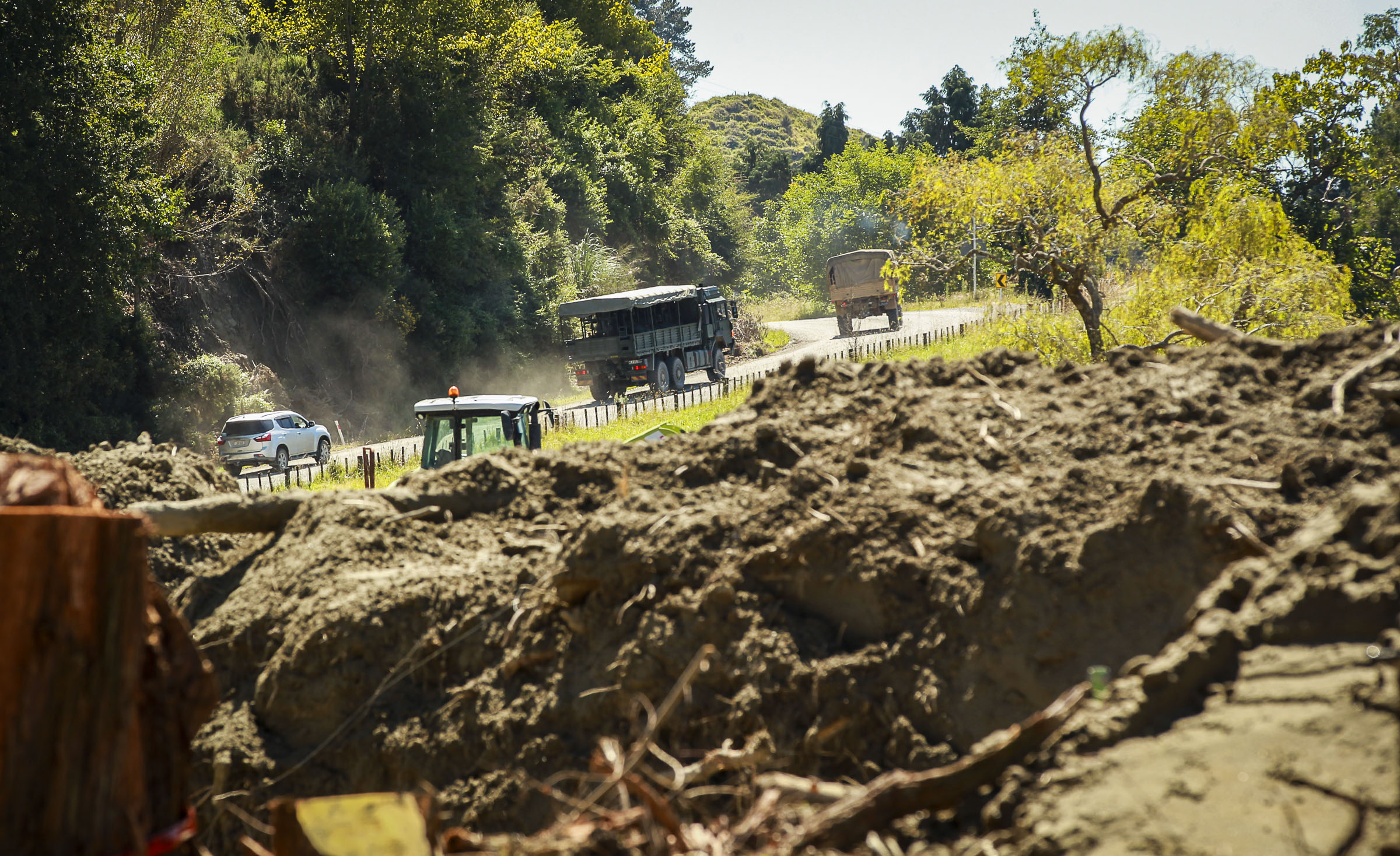
Newly released suicide figures show there was no spike in Hawke’s Bay in the months after Cyclone Gabrielle.
A mental health expert says while every suicide is a tragedy, the slight decline in suspected suicides in the region in 2022/23 is not surprising.
There were 24 suspected suicides across Hawke’s Bay and 565 nationally in the 12 months to June 30, 2023, according to annual data released last week by the Office of the Chief Coroner.
Hawke’s Bay has seen a gradual decline in suicides in recent years since a peak of 40 suspected suicides in the 2019/20 year.
There were 33 suspected suicides during the 2020/21 year, 27 in the 2021/22 year, and 24 in the 2022/23 year across the region.
Hawke’s Bay was the hardest hit region during Cyclone Gabrielle in February, which destroyed hundreds of homes and livelihoods and took a significant toll on people’s mental health.
Mental Health Foundation of NZ CEO Shaun Robinson, who splits his time between Hawke’s Bay and Auckland, said every suicide left a big impact on families and communities.
“There are still deaths,” he said, of Hawke’s Bay over the past year. “I really want to express that even one death has a huge impact and that is not just the person, it is their family, it is their friends, it is their workmates, it is their community that is affected.”
However, he said suicide was often “a lot more complex” than people may first think.
“I’m not surprised that there has not been a jump in suicides post-cyclone, because what we know from other natural disasters ... is that at the time of a crisis, communities pull together, and that is a very strong protective factor for someone that might be struggling.
“That sense of belonging and of having a purpose and of being connected to other people is really positive for people’s mental health and wellbeing and is a strong protective factor for suicide.
“So we don’t have what perhaps people might assume, which is that the crisis leads to more deaths or leads to a lot more mental health issues.”
Robinson said people in Hawke’s Bay would likely face a “long tail” for years to come in terms of mental health challenges from the cyclone.
He said it was important to build up that sense of community connection and support, felt immediately after a crisis, for the long haul.
“If we do that well then people can come through this mentally and emotionally well, but we need to pay attention to next year’s figures and the year after that,” he said.
“It is important that no one is alone and no one is left behind in communities.”
He said there was very high demand for mental health support immediately after the cyclone, and that appeared to have dropped back to normal levels now.
“I hasten to add when I say normal levels, it still means an overload, because our mental health system is not adequately resourced.”
According to the latest data, nationally the rate of suicide has remained stable year-on-year and is 10.6 suspected suicides per 100,000 people.
Where to get help
If it is an emergency and you feel like you or someone else is at risk, call 111.