Snoop Dogg’s ‘giving up smoke’ was to advertise a smokeless stove
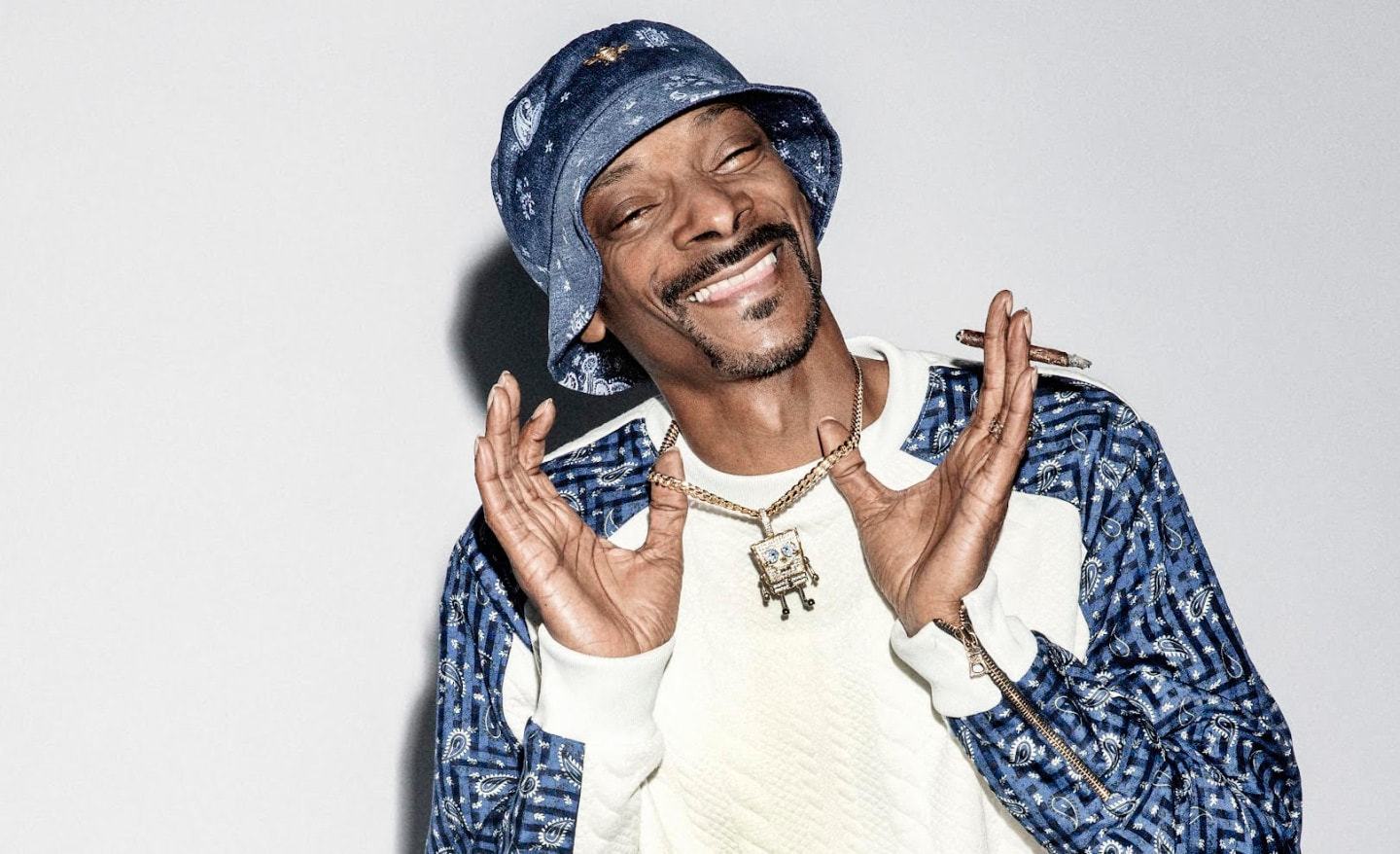
Rap legend Snoop Dogg shocked his fans when he announced he was “giving up smoke”, with fans speculating he was walking away from his infamous cannabis habit.
The truth was, predictably, commercial.
Snoop Dogg earlier left fans gobsmacked when he teased a potential change in lifelong habits.
He wrote on his social media accounts: “After much consideration and conversation with my family, I’ve decided to give up smoke. Please respect my privacy at this time.”
The solemn-sounding statement, along with the muted black and white photo and Snoop’s official signature, left some wondering whether he was playing an elaborate prank.
Today Snoop revealed part two of his announcement, spruiking a new model of smokeless stove.
Leaning over the flames toasting a marshmallow, the Doggfather told viewers: “I’m done with the coughing and my clothes smelling all sticky-icky. I’m going smokeless”.
The 50-year-old rapper is an outspoken advocate for marijuana, and famously smoked a joint on the red carpet at the MTV Movie Music Awards in 2021.
He’s part of several business ventures involving edibles, and has once claimed he smoked 81 joints a day and has someone to roll them for him.
Earlier this year, Snoop claimed he’s smoking less since having grandchildren.
“Being a grandfather has changed me in multiple ways,” he told the Daily Mail.
“The main way is being concerned with how I live, how I move, the kind of people I’m associated with, because I want to see my grandkids grow old. The only way I can do that is to take precautionary steps as far as how I move, who I hang out with, where I go out, my intake, what am I intaking.
“Am I doing extra-curricular or am I just doing what I’m supposed to be doing?”
Recent research shows marijuana use may be more damaging than previously thought, with two studies suggesting long-term use can affect cognitive skills in a “sizeable and significant” way.