Hacks leaves them laughing: Jean Smart and Hannah Einbinder on saying farewell to hit TV show
Warning: This article includes spoilers for the final episode of Hacks.
In an interview, Jean Smart and Hannah Einbinder discuss the series finale, their offscreen relationship and why comedy is just like sex.
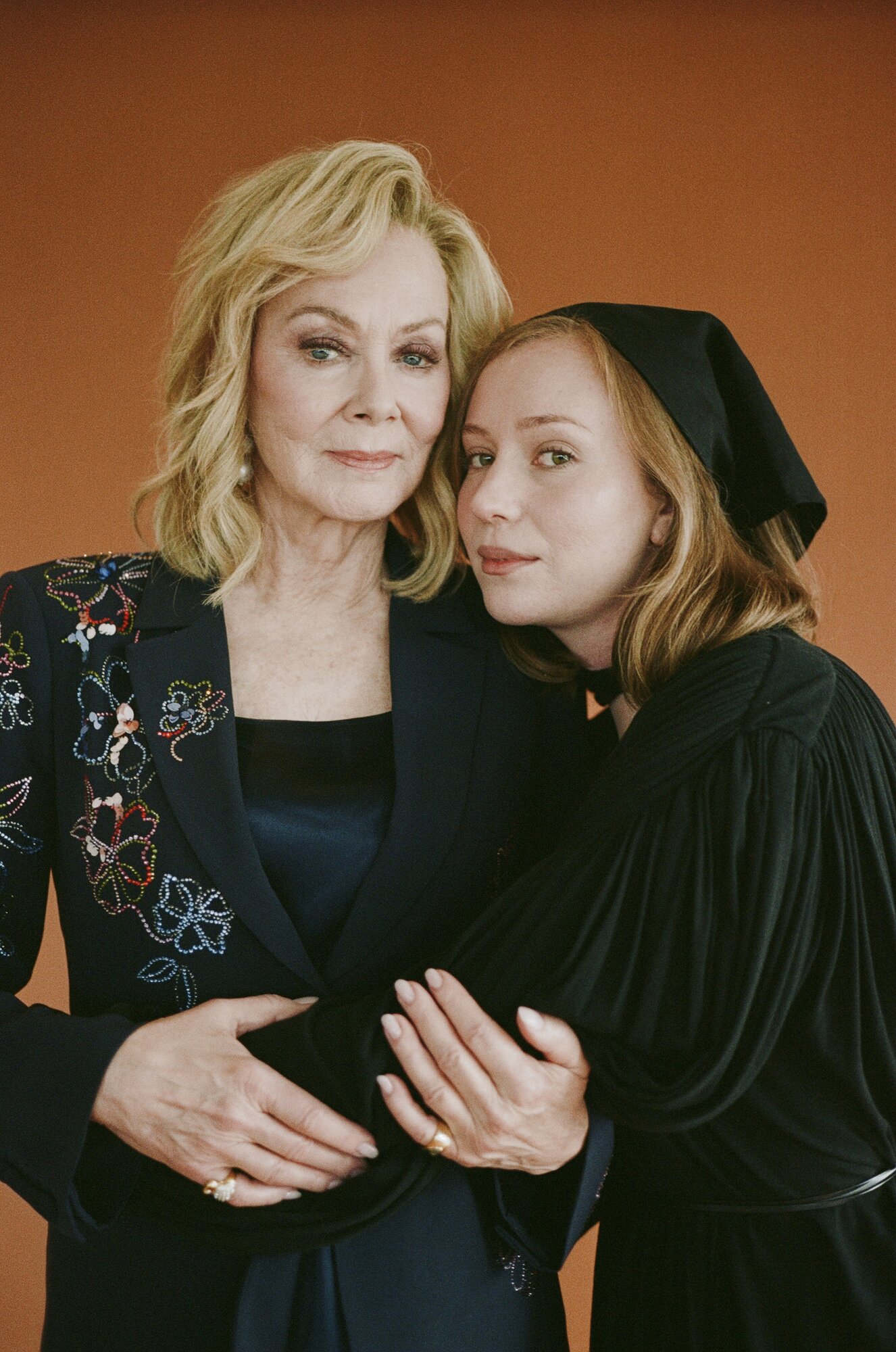
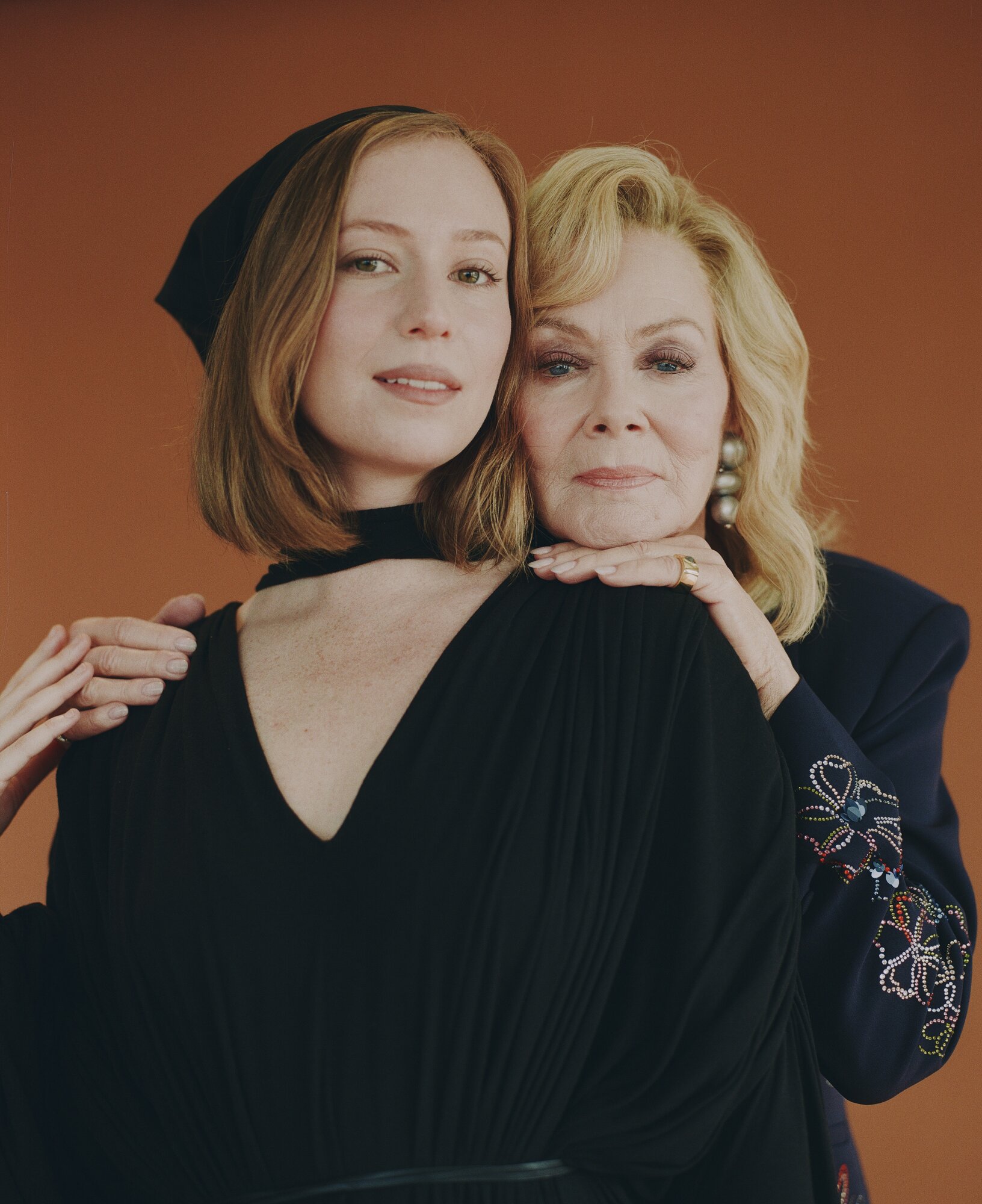
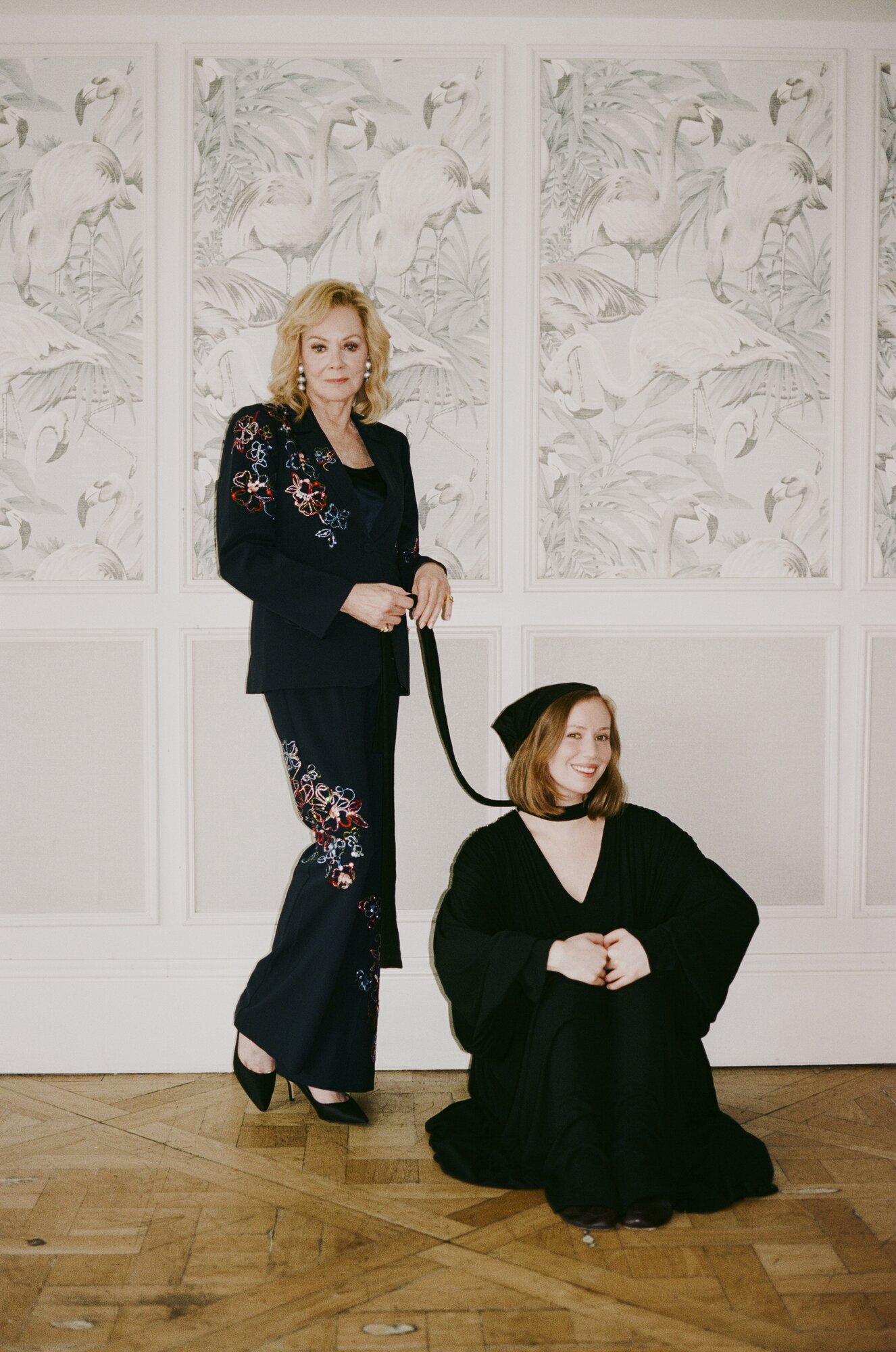
On a bright April morning, actor Jean Smart, immaculate in a merlot suit, gold hoops and a swirly up-do, found her colleague Hannah Einbinder already seated. Einbinder wore ripped jeans and a shirt that read “Planet Earth: Love It or Leave It”.
Smart narrowed her lips. “I see you dressed,” she said coolly.
This might have been a moment from Hacks, the HBO Max comedy that ended last week, after five seasons and 12 Emmys (so far).
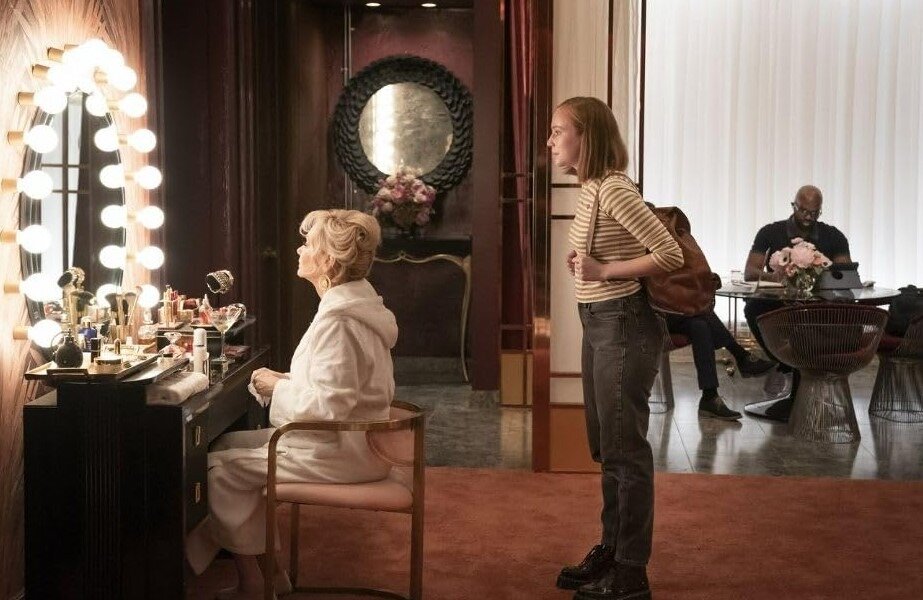
Smart has won four of those Emmys for playing Deborah Vance, a legacy comedian who gets a career refresh from Einbinder’s Ava Daniels, a Zillennial writer. (Einbinder won one, in 2025.) While most seasons found them at odds – lawsuits, blackmail, devastating put-downs – the final one found them on mostly friendly terms. Sometimes very friendly, as in an episode in which Deborah and Ava have to pretend to be a couple. In fairness, the devastating put-downs remain.
“You can’t write my memoir,” Deborah tells Ava. “You’re too obsessed with me.”
In the final episode, the women take a trip to Paris, a valedictory vacation and also a farewell tour. Deborah, who was treated for cancer this season, has learned that the cancer has spread, and she is declining treatment. But just before boarding a train for a euthanasia clinic, Deborah decides she has something to live for: comedy.
“I may not have 30 years,” she says. “But I think I have another hour.”
For Hacks, this was the rare punchline without the sting.
Over breakfast – a cheese omelette and sausage for Einbinder, a side of vegetables for Smart – the two women discussed their work, their lives and why comedy is like sex. These are edited excerpts from the conversation.
Q: Your first meeting was a phone call?
Hannah Einbinder: Jean got my number from my reps. She called me the night before my screen test. She said, “I saw your stand-up, and I think you’re really funny, and we’re going to have a lot of fun tomorrow.”
Jean Smart: I didn’t want her to be nervous at the audition.
Q: Did you did you do that with all the other Avas you were screen-testing?
Smart: There’s a chance I might have called somebody else.
Einbinder: Who was it?
Smart: You don’t need to know. She meant nothing to me!
Q: How much of each of you is in each character?
Einbinder: I have imbued Ava with my affect, but who she is emotionally, her psychology, those things were incongruous to me. As a new actor, I was doing what I knew how to do, which was perform comedy in my own voice.
Smart: I knew I couldn’t copy another comic’s style, even somebody I really admired. It had to come from me, or it just wasn’t going to work. Her rhythms, especially when she’s doing bits of stand-up, are mine, and her smartarse sense of humour.
Q: That cackle?
Smart: Unfortunately, that’s mine. The sarcasm is probably pretty much mine, too. I don’t identify with her anger, and I don’t identify with her bitterness, but it’s what fuelled her.
Q: Why are Deborah and Ava so often in conflict?
Einbinder: These are two divas. There’s a lot of ego involved. Ava resents the fact that she has to do this job for someone who she perceives as uncool. And Deborah believes she has nothing to learn from this random girl who she has no respect for.
Smart: And who does not dress, especially for a meeting.
Einbinder: B****.
Smart: I didn’t mean this meeting. I meant in our show.
Q: How do you think the relationship changes over time?
Smart: Deborah slowly starts to trust her, so she’s able to become a little bit more vulnerable and a little more open with her feelings.
Einbinder: The big hurdle for Ava was understanding who this person was and how important she is to comedy, especially to women in comedy. When she’s forced to digitise Deborah’s appearances she quickly understands who she’s dealing with and that she’s worth respecting.
Q: What’s more fun to play? When they’re fighting or when they’re getting along? Or when they are kissing?
Einbinder: [waggles eyebrows] You know my answer!
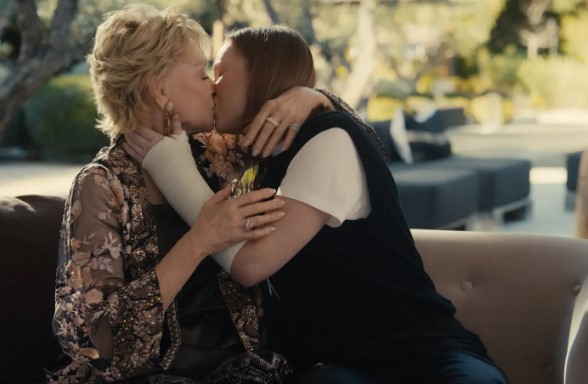
Smart: Ironically, we had more fun when we were getting along. There was still so much humour, but it was a different kind of humour. When they do give each other a hard time, there isn’t anything nasty behind it. It’s purely to make the other person laugh.
Q: Let’s talk about the episode where you pretend to be a couple.
Einbinder: It felt like we were actually on that weekend. I was like, Oh my God, the crew’s here while we’re all hanging and having our girls trip. We’re in the Jacuzzi. We’re having dinner outside. It was a fabulous weekend.
Q: Were you actually naked in that Jacuzzi or were you wearing modesty garments?
Einbinder: Jean was.
Q: Naked?
Smart: No! It was funny, because it was the first time we’ve ever seen Deborah unable to defend herself, so totally at Ava’s mercy.
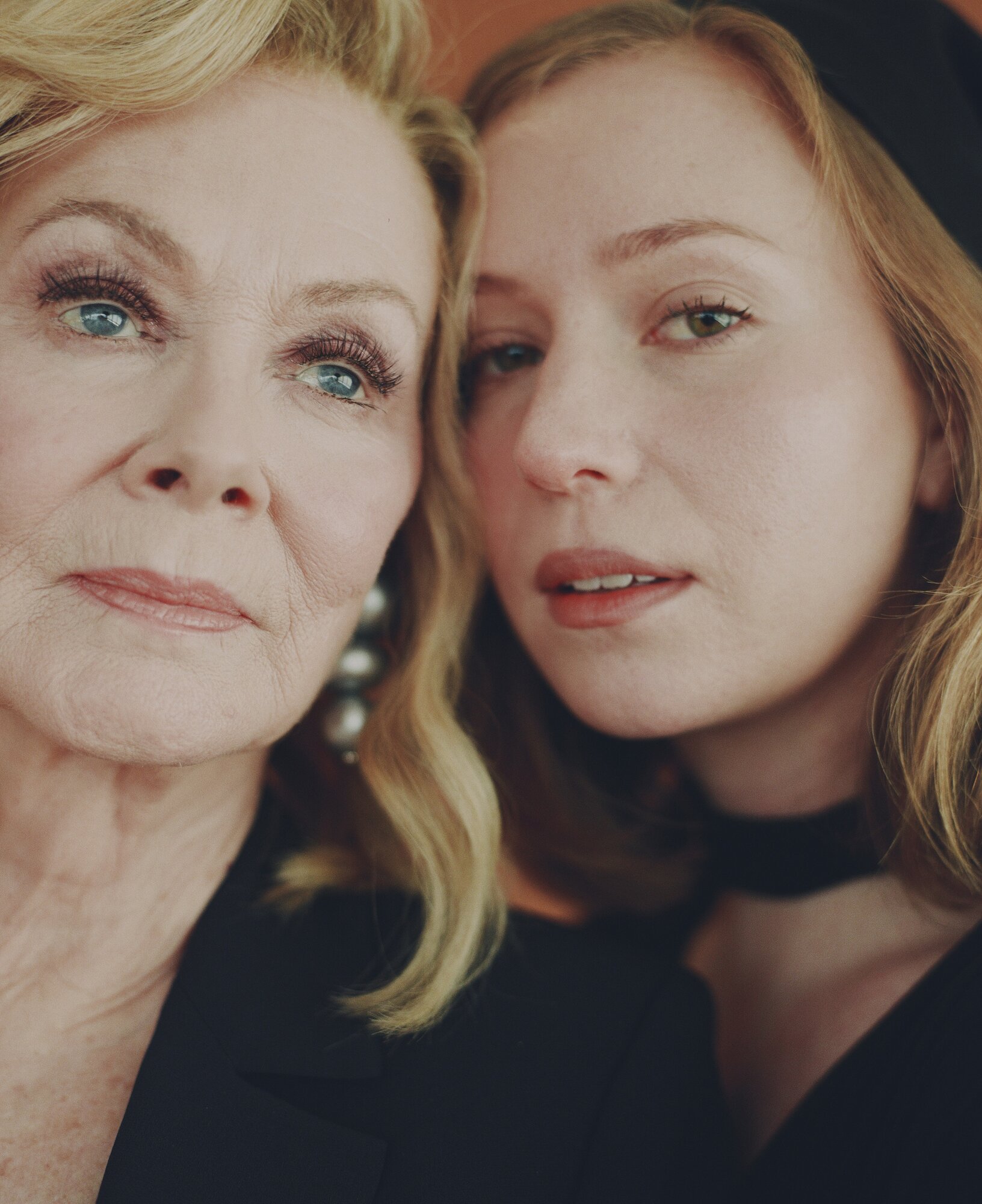
Q: This relationship is so many things – professional, personal, familial, abusive.
Smart: A little S&M?
Einbinder: It hurts so good.
Q: What have you learned from each other in your time on the show?
Smart: I just admire her so much. She truly has the courage of her convictions.
Einbinder: On the acting front, it’s not an exaggeration to say that I’ve learned everything from Jean. It is an embarrassment of riches this show. I shudder to think what I would have done without it. I mean, they took us to Paris, Singapore, New York, Vegas, the Valley, Pasadena. Shout out to Pasadena!
Smart: Not to mention Anaheim, that strip joint off the freeway. The Library.
Einbinder: The theme is not books.
Q: What was it like to shoot in Paris?
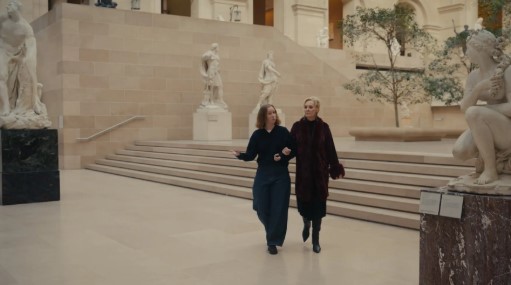
Smart: Everywhere we went, people were so lovely. Then we finished with the Louvre, which was the cherry on top.
Einbinder: The last scene we shot, they told us to just talk. It wasn’t scripted.
Smart: First thing she said: “Are you going to donate any of your organs?” I decided that I was going to donate my ankles.
Q: The finale prepares us for a sad ending. What was it like to lean into the threat of illness and death?
Einbinder: Honestly something happened that day, when we did the scene at the hotel, where I actually felt embarrassed. I felt totally raw and pathetic and in hell, just completely engulfed by the scene.
I’m still raw. It’s saying goodbye to these characters, saying goodbye to the group of people who make the show. We really love each other, and it’s so painful to have that change. Especially for me – I was 24 when I booked this show. I lived a life before Hacks, but most of my creative life is this.
Smart: One thing that helps is that we’re all so proud of the show. It would be a much worse feeling if we weren’t.
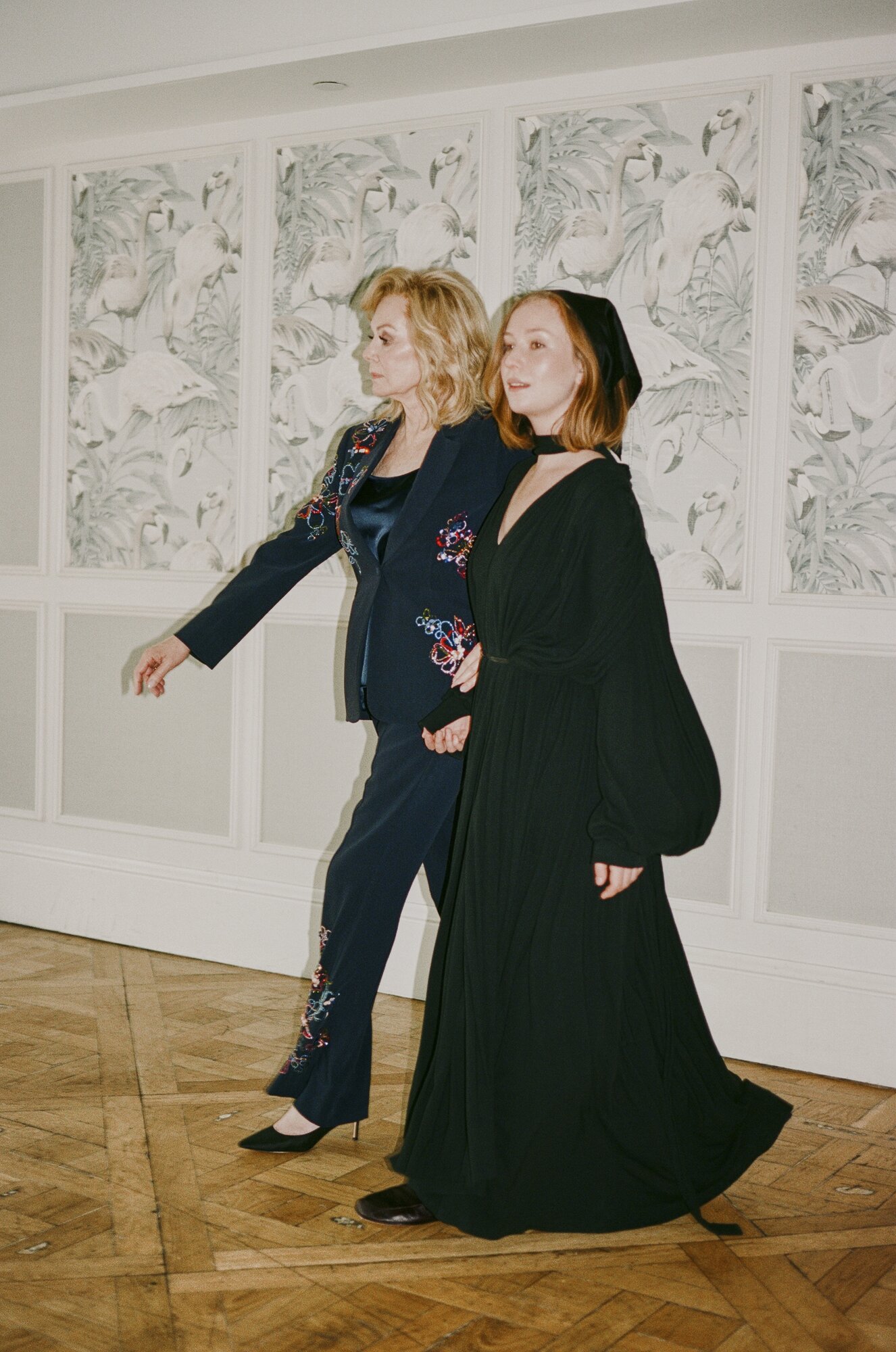
Q: This last season is very much about legacy. What do you think the legacy of this show will be?
Smart: I’m hoping people will remember it as just hilarious.
Einbinder: I think the legacy is its impact on people’s relationships. It was a model for discourse between people who seemingly didn’t understand each other, who felt diametrically opposed on a lot of issues. Especially with women, intergenerationally, it became a road map to understanding.
Smart: It’s true – you reach people easier with comedy than drama. There’s so much to depress people right now; we need comedy more than ever.
Q: So you agree with Deborah, that comedy is worth living for?
Einbinder: It’s an antidote to suffering. It’s not only worth living for, it’s what makes living more manageable.
Smart: If you have darkness, you’ve got to have the light. Making someone laugh is kind of like sex. You’re getting this physical reaction from somebody that is so pleasant, that is so life-affirming, your endorphins go crazy. I will always make a joke.
This article originally appeared in The New York Times.
Written by: Alexis Soloski
Photographs by: Chantal Anderson
©2026 THE NEW YORK TIMES