Watch: Mark Rocket’s Kea Aerospace achieves stratospheric flight
Christchurch man Mark Rocket has hit stratospheric heights.
Rocket confirmed overnight that his start-up Kea Aerospace had successfully completed the first flight to the stratosphere by its solar-powered UAV (unmanned aerial vehicle).
The mission started with the Kea Atmos Mk1b taking off from the Tāwhaki National Aerospace Centre west of Banks Peninsula at 8.07am on Saturday.
It reached an altitude of 56,284 feet (17,155m) or about twice as high as a commercial aircraft and flew for eight hours and 20 minutes, reached a range of 18.9 nautical miles (35km) from the take-off area and covered a total flight distance of 420 kilometres and landed at 5.27pm.
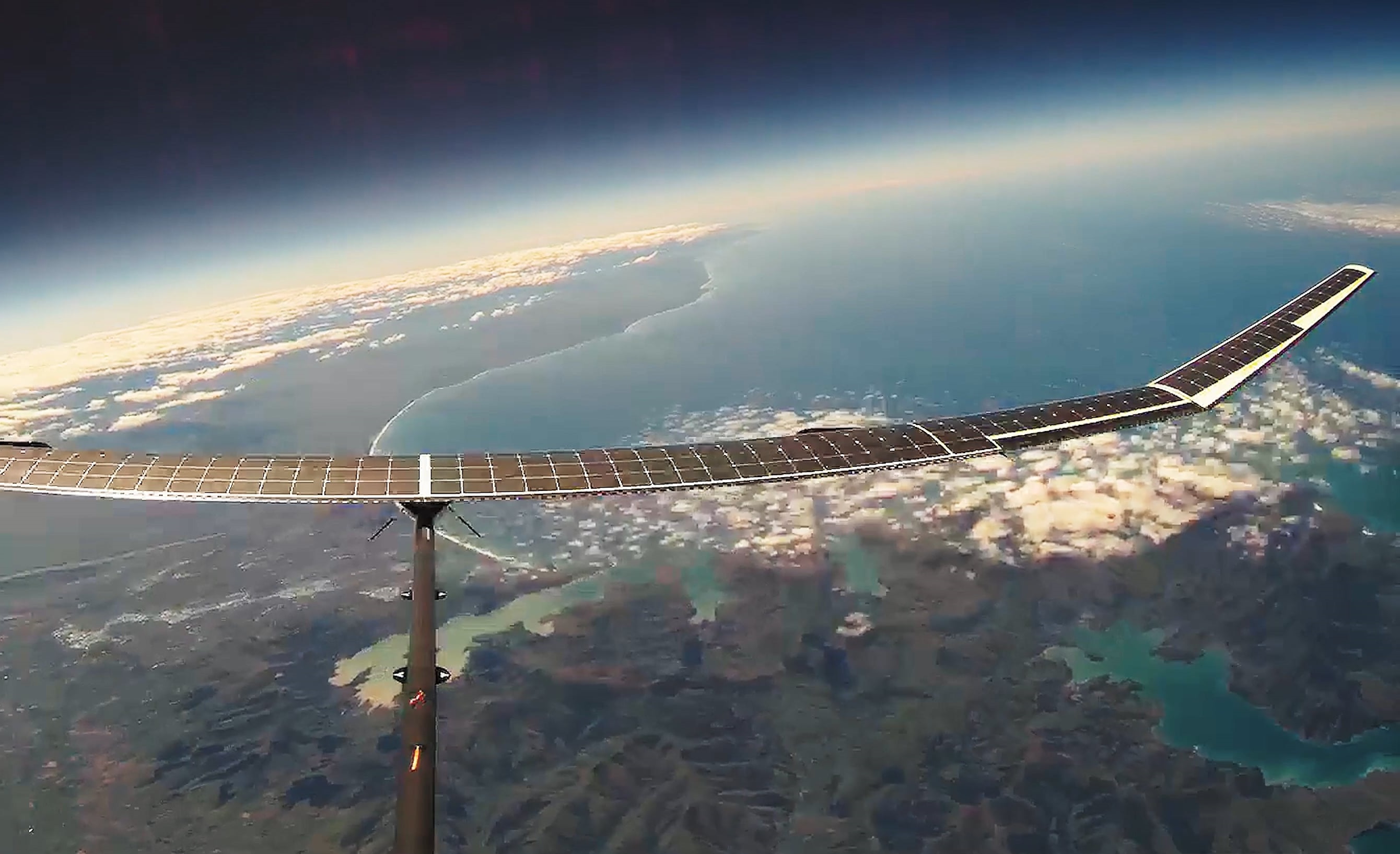
The idea is that by flying above the weather for ultra-long durations (both points of difference with more traditional drones or UAVs), Kea’s craft can take earth observation photos at higher fidelity – and much cheaper – than satellites, and provide a more cost-effective alternative than aircraft for the likes of precision agriculture, maritime monitoring and environmental monitoring.
Rocket also sees a “celltower in the sky” role, providing phone and internet coverage in disasters.
Raise, much larger craft on the way
In September last year, Rocket told the Herald a successful stratospheric flight would be the catalyst for a $10-$15 million funding round.
This morning, he said he was talking to investors.
More Mk1b stratospheric flights are lined up this year, Rocket says. They’ll see his firm taking on its first commercial customers, who are unnamed private sector and Government clients.Kea will also be starting the design phase of the Atmos Mk2, which will likely have a 30m wingspan (to the Mk1’s 12.5m) – allowing for enough solar panels and batteries to power months-long flights.
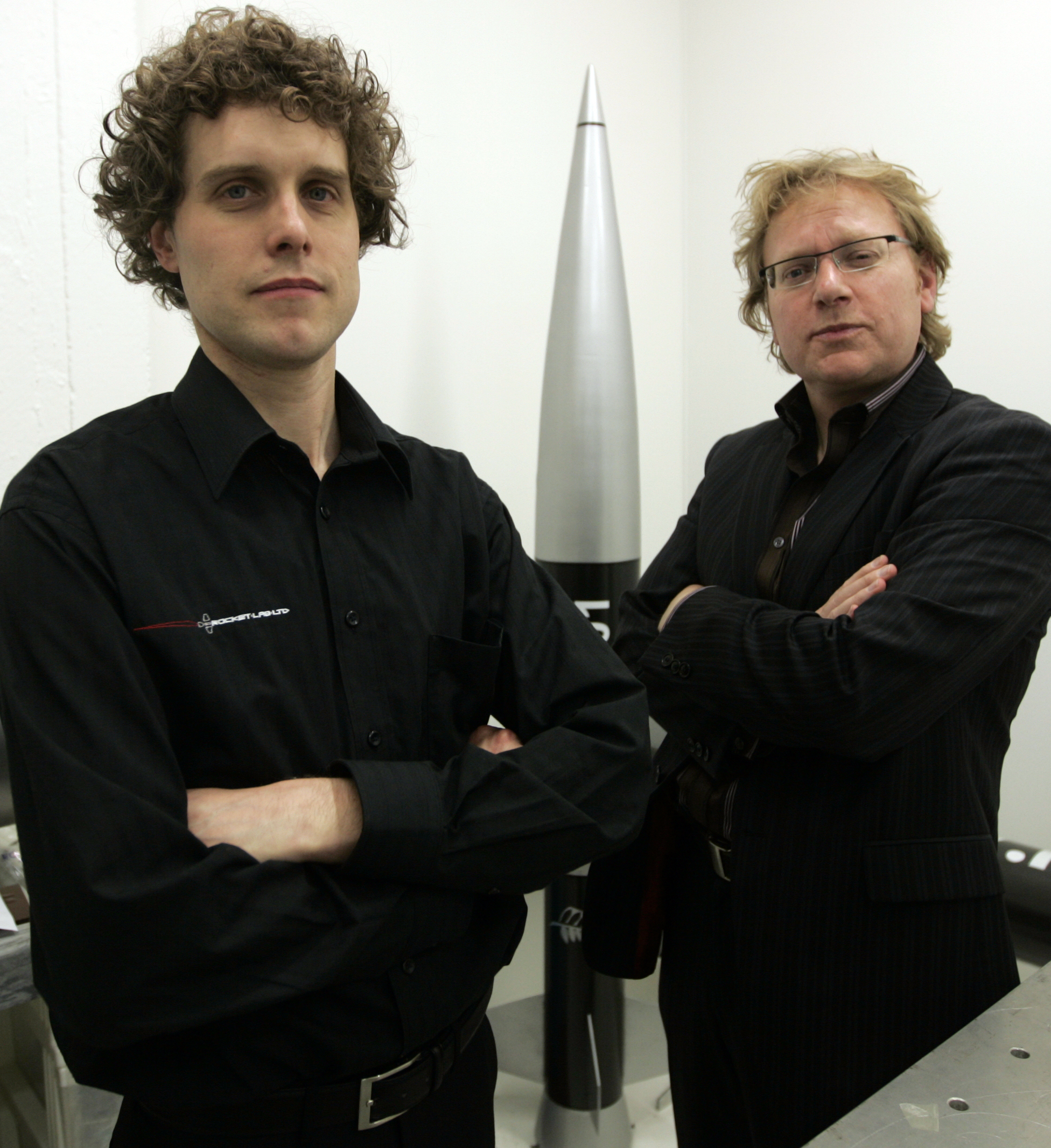
Rocket was one of Rocket Lab’s first employees.
At one point he and Beck formed the firm’s two-man board.
He founded Kea in 2018, with Austrian billionaire Wolfgang Leitner as an early backer.
Leitner has put money into several deep-tech Kiwi firms including Zincovery.
“This stratospheric flight puts Kea Aerospace alongside just a handful of other international companies that can achieve solar-powered flight to high altitudes.
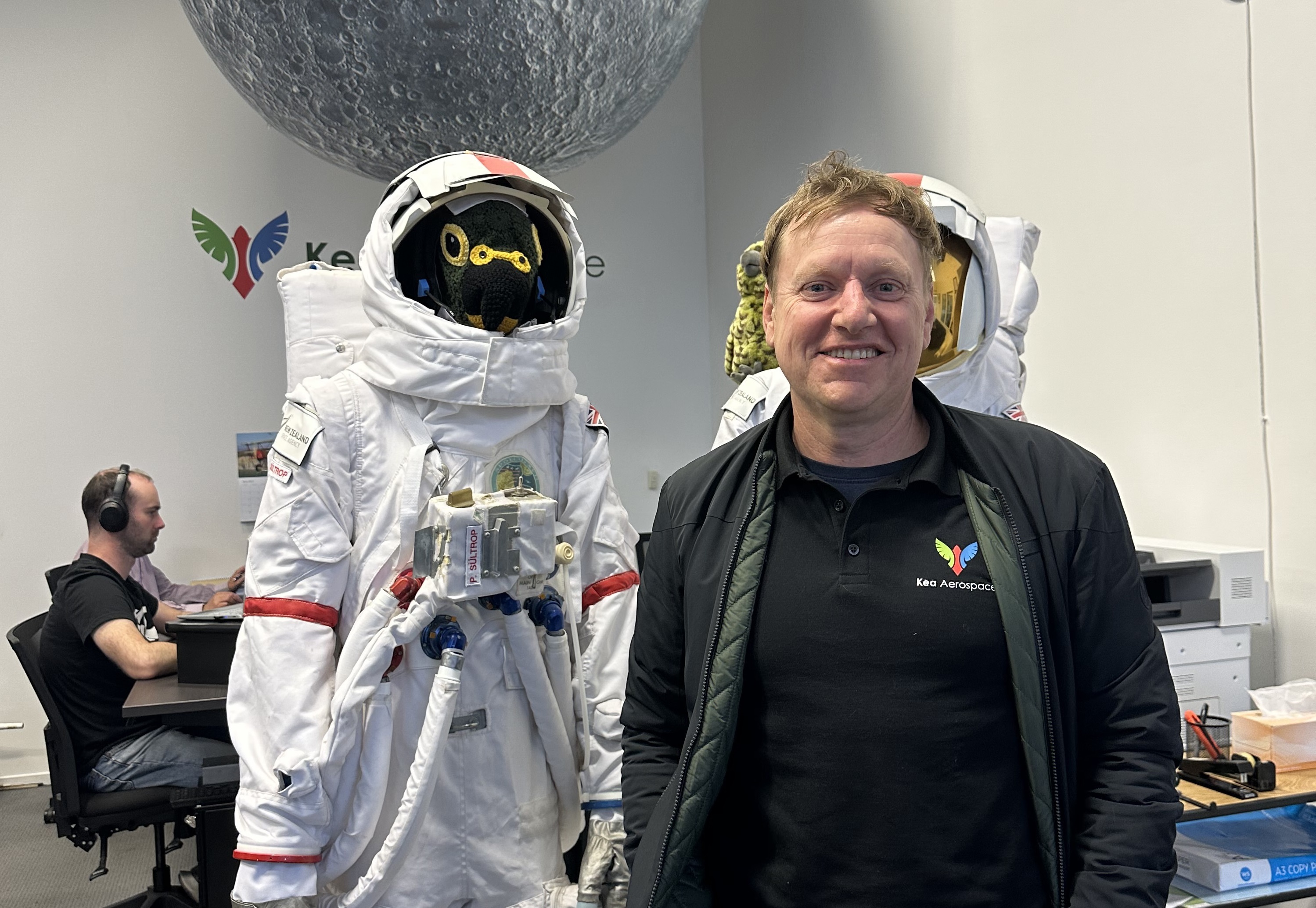
“It’s not an easy enterprise to balance the aerodynamic, power and weight allowances for this type of aircraft, whilst flying in conditions of -50 degrees Celsius with only 10% of the air density we experience at sea level,” Rocket said.
“Kudos and congratulations to our CTO, Dr Philipp Sueltrop and the Kea Aerospace team, it’s a phenomenal result to join the rarified stratospheric club.”
Rocket also thanked Civil Aviation and the soon-to-be defunded Callaghan Innovation, which has extended Kea about $500,000 in government grants.
Chris Keall is an Auckland-based member of the Herald’s business team. He joined the Herald in 2018 and is the technology editor and a senior business writer.