Watch: How Auckland Airport’s runway rejig will work
Auckland Airport has unveiled how it plans to build a new secondary runway ahead of major changes to the domestic terminal.
The airfield’s primary taxiway, Taxiway Alpha, will be made to operate as an alternative or contingent runway useable when the main runway gets closed.
That’s because in about five years, the airport will have to replace slabs across parts of the existing runway.
And the airport company said in Auckland, that upgrade could only be done with the full closure of the runway.
Jason Dardis, the airport’s airfield infrastructure programme director, said preparations included adding new lighting to Taxiway Alpha.
Meanwhile, the airport plans to build the new domestic jet terminal in 2029.
Janek Czastka, the airport’s airfield project manager, said a new pier would open for that terminal.
“Where those jets park now will be too close to our realigned Taxiway Bravo,” he said.
So Taxiway Bravo will be shifted, allowing aircraft enough space to move and pass each other.
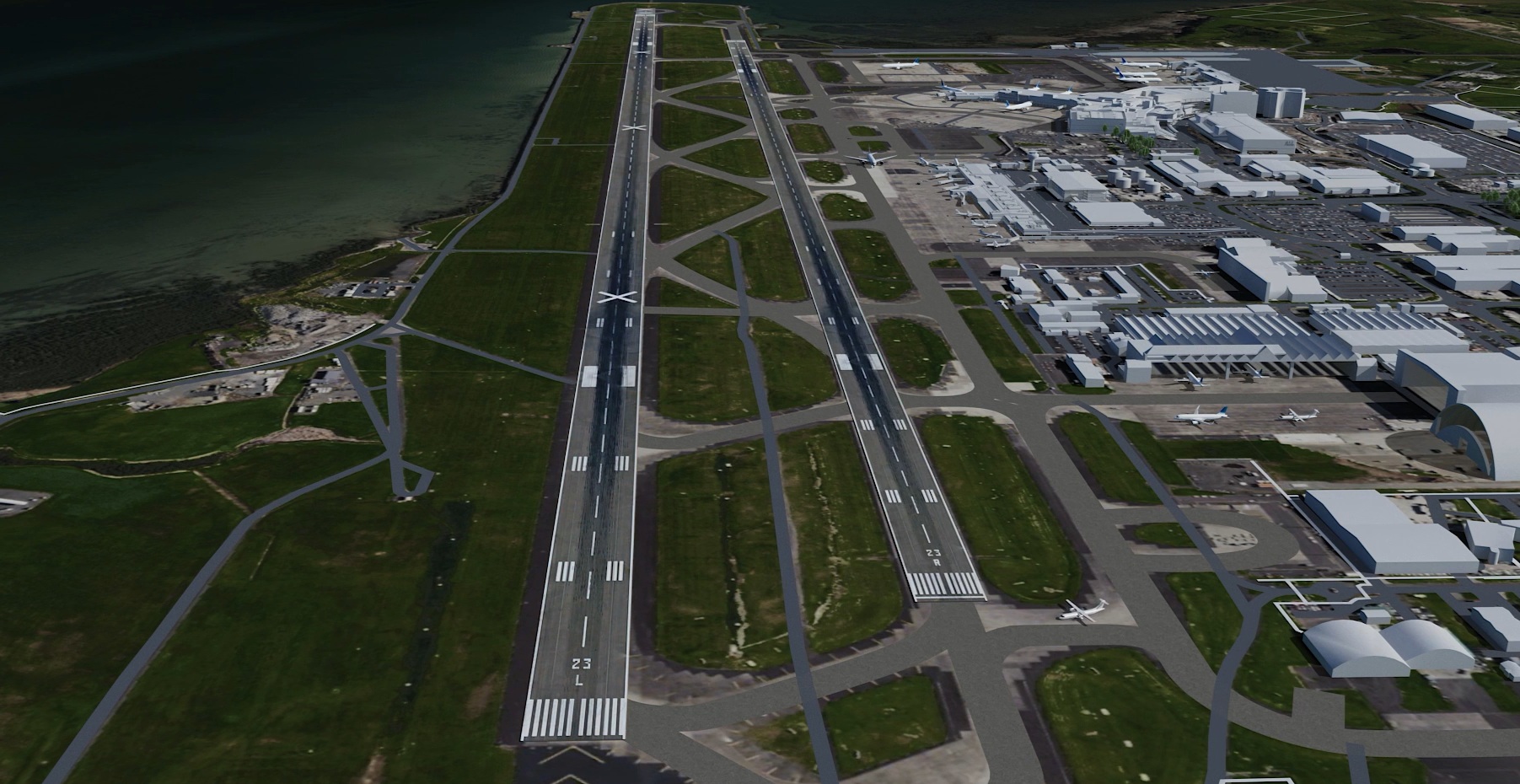
The airport said the new domestic jet terminal would increase capacity by 26%.
Air New Zealand has questioned some of the airport’s spending with chief executive Greg Foran saying last year that the infrastructure spend was huge but set to deliver very little new capacity.
But Auckland Airport chief executive Carrie Hurihanganui said today that the new infrastructure was essential.
“Not moving the domestic jets to the new terminal would mean larger aircraft from the international terminal would need to manoeuvre past the parked domestic aircraft one at a time, when the runway only had smaller aircraft operating on it,” she added.
“It would be like replacing the Auckland Harbour Bridge with a one-lane bridge and that’s not a realistic option for Auckland.
“We are now on the countdown for runway upgrades.”
The airport last September launched a $1.4 billion equity raise to help pay for billions of dollars in developments, including the domestic terminal’s $2.2b upgrade.
The NZX-listed company said this week it needed a reliable, safe, and resilient runway surface capable of performing to a high standard every day.
It said $40 million had already been invested in enabling work to let the runway close for upgrades in about 2030.

“We know they need to take place in about five years’ time, and the team is focused on ensuring the airfield is ready for this, with robust plans in place to ensure the airport is resilient and can keep operating safely during the runway closure,” Hurihanganui said.
The airport covers 1500ha of land, with the airfield covering 280ha.
In its most recent annual report, the airport said several important moves had to happen to keep the airport runway fit for purpose and pave the way for the integrated terminal.
It said significant work had already gone into the realignment of Taxiway Bravo to help it become the primary taxiway for future contingent runway operations.
Runways, taxiways, and aprons had estimated useful lives of 12 to 40 years.
The airport’s original 6m by 6m pavement slabs on runway areas, taxiways, and stands were getting replaced with what the company called “robust pavement” designed for longevity and durability.
The airport said it had started working with the Civil Aviation Authority, Airways NZ and airlines to ensure the contingent runway can operate safely and efficiently.
A second runway proper is still a long-term airport goal. But it is currently on hold and airline demand will determine construction timing.
After the main runway gets upgraded, the contingent runway’s main use will again be as a taxiway, but with its new lighting and safety features it could be used as a secondary runway again.