'Success' - In second leg of mission, Rocket Lab puts Capstone on path to moon
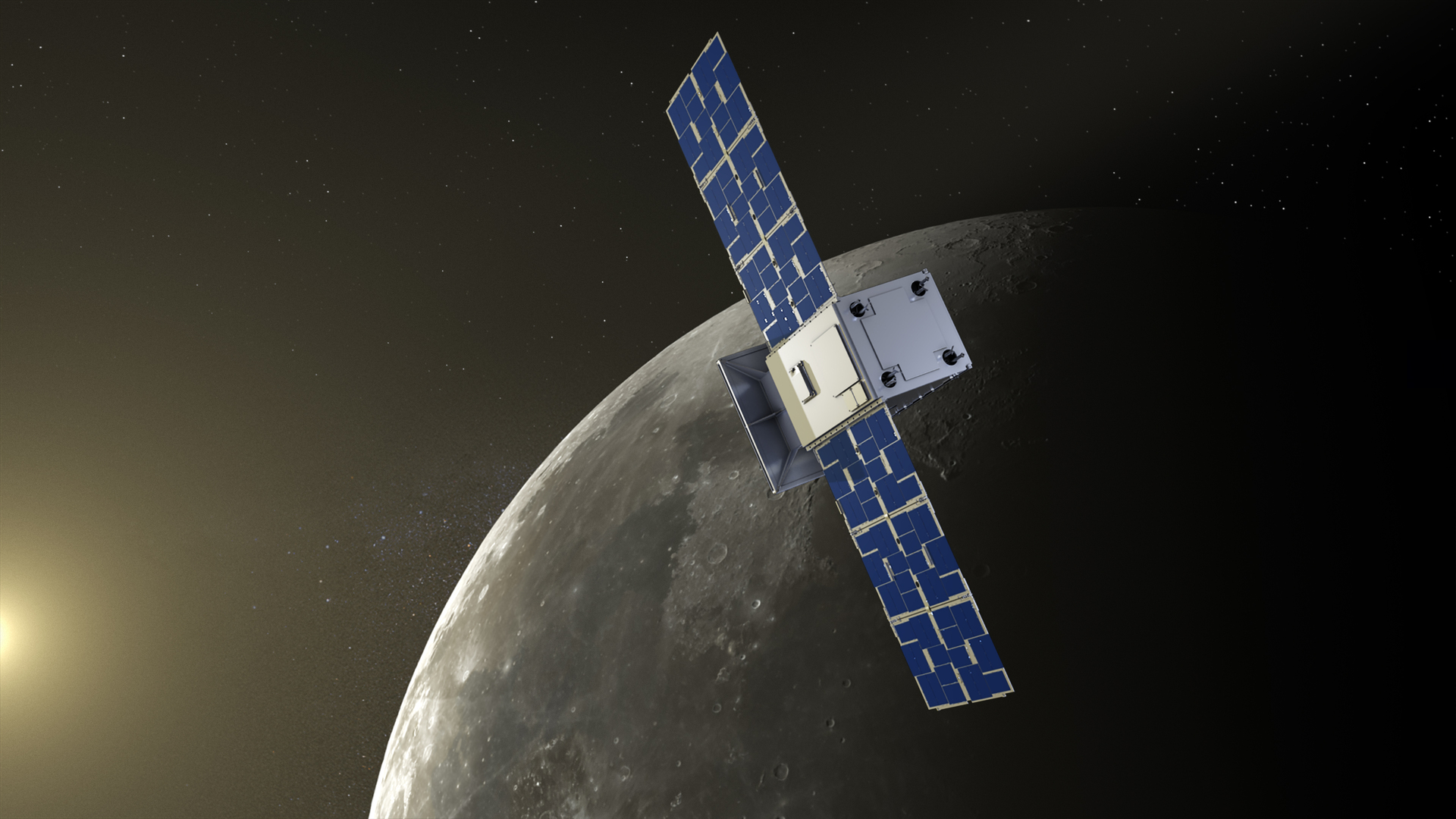
Rocket Lab says its first deep-space mission is a success and is now looking ahead to its next interplanetary flights.
A Rocket Lab spokeswoman told the Herald this morning that missions to Venus next year and Mars in 2024 are on track.
Overnight, Nasa's Capstone micro-satellite was put on a path to the moon to test an experimental halo orbit.
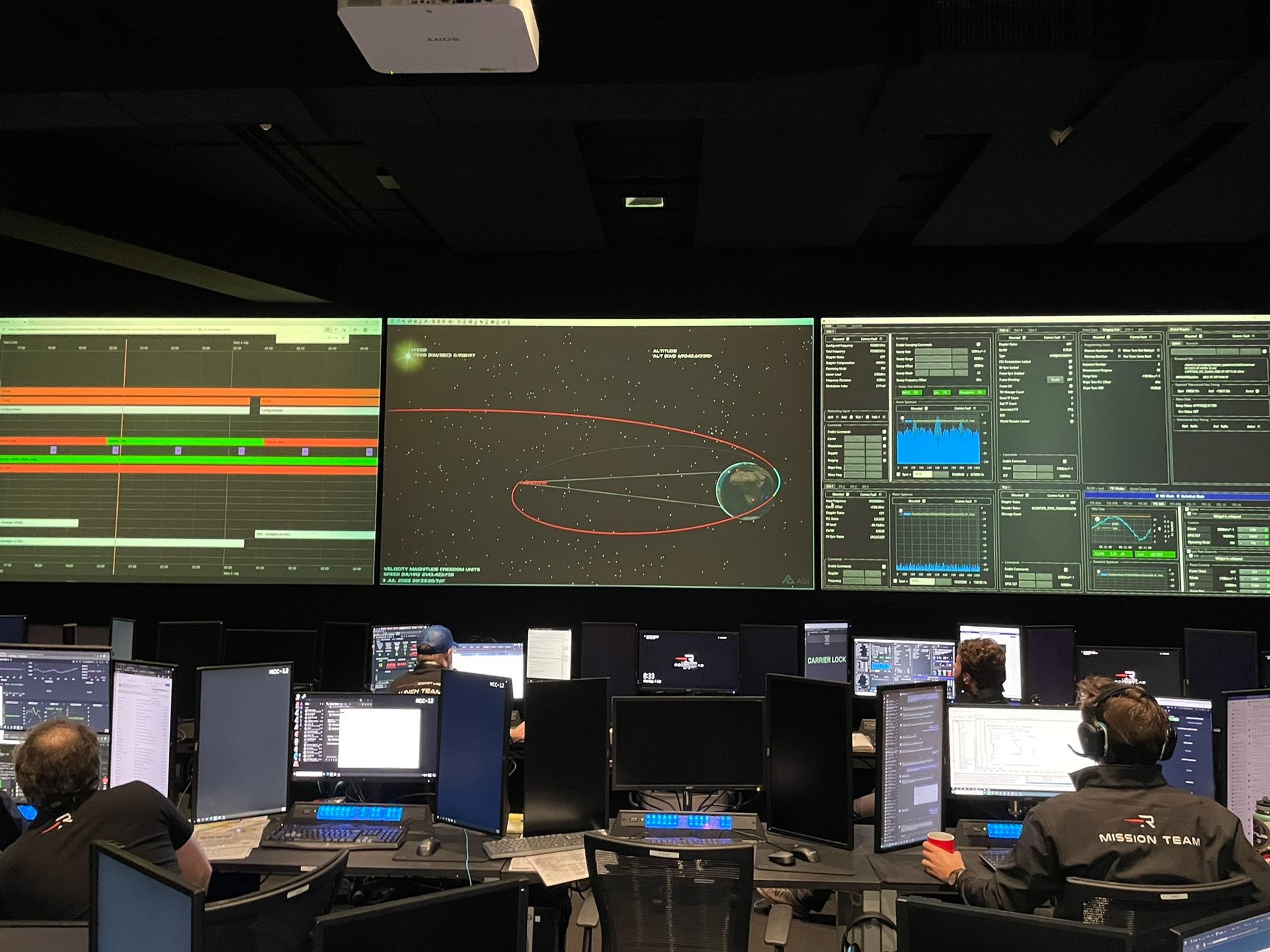
Capstone was launched from Mahia into low Earth orbit on June 28 on a Rocket Lab Electron.
The Kiwi-American company then used its Photon spacecraft - or "satellite bus", housed in the Electron's third stage - to lift Capstone into progressively higher orbits over six sets of manoeuvres.
Last night's final burn saw the microwave-size Capstone separate from the Photon and deployed on its ballistic lunar transfer trajectory to the moon. That's a 1.3 million km journey that will take until November 13 and be managed by two US firms: Advanced Space and Terran Orbital (which designed and built Capstone)
Capstone's halo orbit will be a lopsided elliptical path that will take it as close as 1600km to the lunar surface and as far away as 68,260km.
Researchers expect this orbit to be a gravitational sweet spot in space – where the pull of gravity from Earth and the moon interact to allow for a nearly stable orbit.
That allowed physics to do most of the work of keeping a spacecraft in orbit around the moon.
If successful, the same orbit will be used by Nasa's Gateway, a planned small space station that the US space agency intended to use as a staging post for its Artemis programme to return astronauts to the moon's surface.
The Capstone mission, which Rocket Lab carried out for a keen $14 million, also marked an increasingly close relationship between Rocket Lab and Nasa.
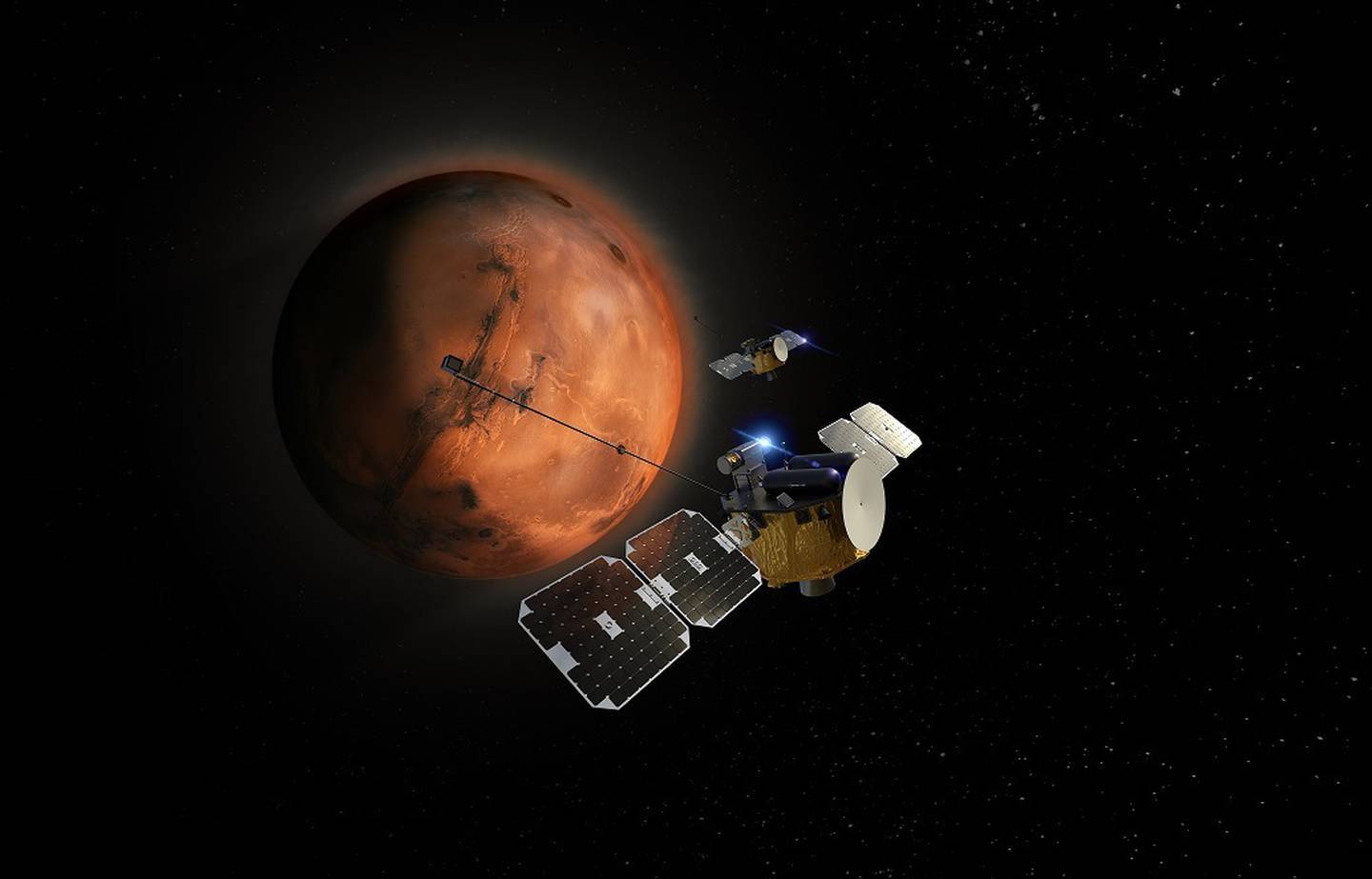
Rocket Lab has a number of projects in the pipeline for the US space agency, including a contract (for an as-yet-undisclosed sum) to design and built two Photon spacecraft that will go into orbit around Mars in 2024, after being carried to the red planet by a Nasa-provided rocket.
The mission's aim is to shed light on how Mars lost its once-habitable atmosphere.
Rocket Lab also recently won a contract to make a radiation-hardened solar panel array for Nasa's Glide spacecraft, due to launch in 2025.
Glide (an acronym for Global Lyman-alpha Imagers of the Dynamic Exosphere) will survey the exosphere, the little-understood outermost layer of Earth's atmosphere).
Rocket Lab did not put a value on the Glide contract, but it's part of an ongoing push to diversify its revenue from rocket launches to a lot of business in "space systems" too.
And it was possible because Rocket Lab bought SolAero, a New Mexico maker of solar components, for US$80m ($125m) last December, the fourth in a series of purchases of North American space system makers.
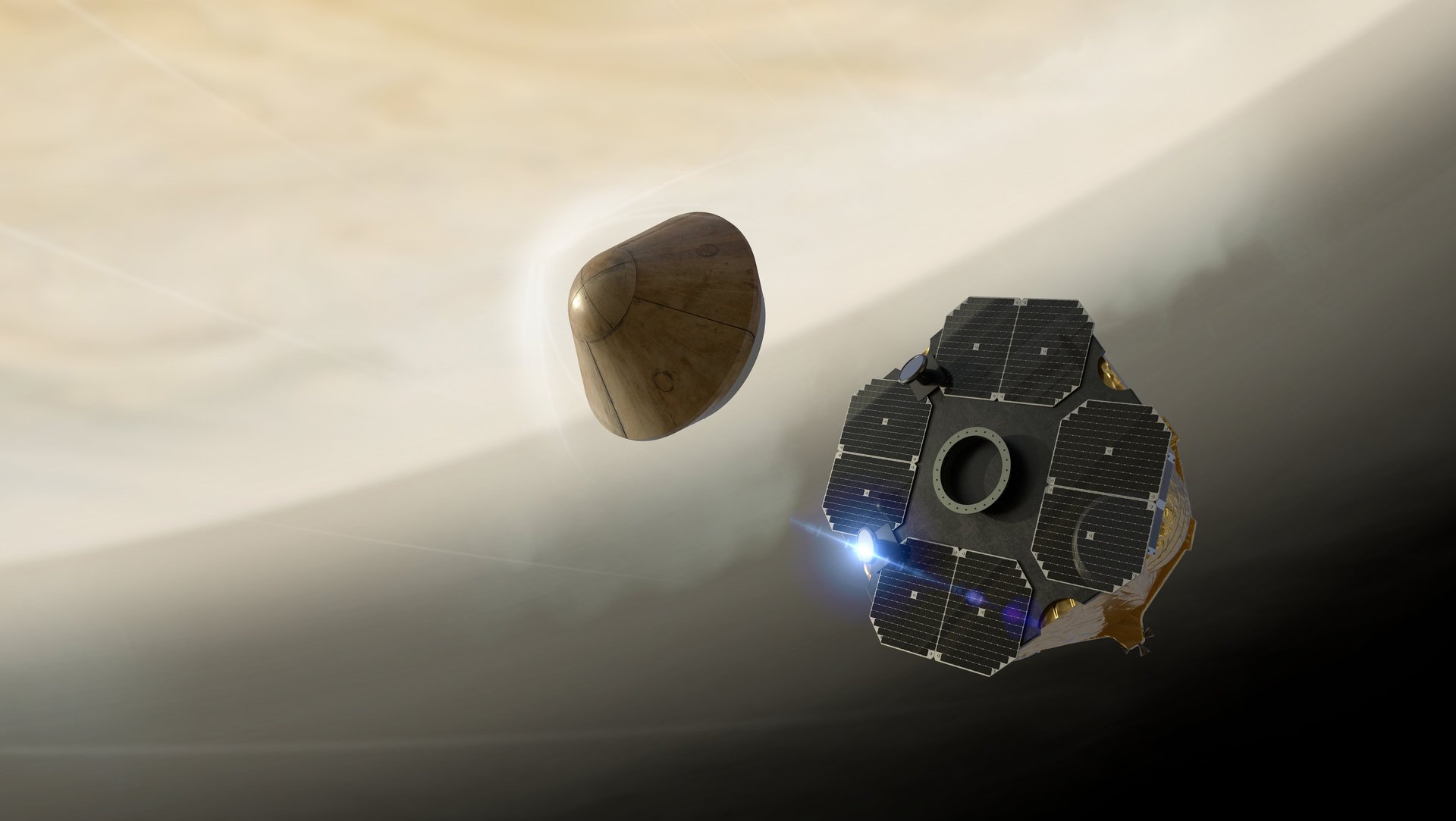
Beyond its Nasa-backed jaunt to Mars, Rocket Lab has a second interplanetary flight planned: its privately-funded mission to drop a probe into the atmosphere of Venus in a bid to confirm observations that indicated the potential presence of phosphine, a gas typically produced by living organisms.
Scheduled for 2023, it will be the first privately-funded mission to Venus.