Struggling with errors, Doge deletes billions more from list of savings
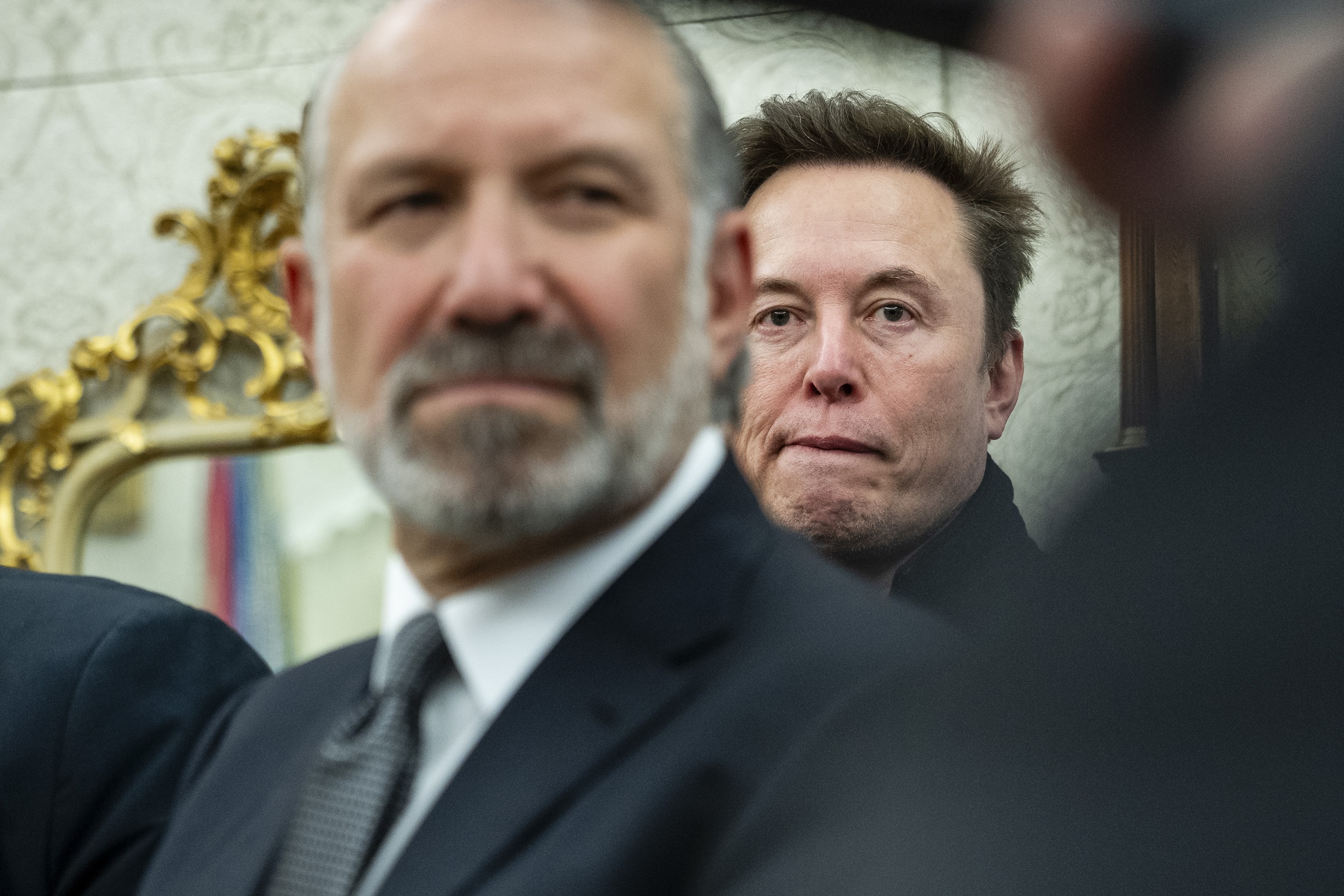
Elon Musk’s Department of Government Efficiency (Doge) has deleted hundreds more claims from its mistake-plagued “wall of receipts,” erasing US$4 billion ($7b) in additional savings that the group said it had made for US taxpayers.
Late Sunday, the group erased or altered more than 1000 contracts it had claimed to cancel, representing more than 40% of all the contracts listed on its site last week. The deleted items included five of the seven largest savings that it had claimed credit for just last week. At the same time, the group added about 1000 additional cancelled contracts, worth smaller total savings.
It was the second time in a week that Doge had deleted some of its greatest claims of success. Early last week, it erased all five of the largest savings it had claimed when the wall of receipts, which is what the group is calling its list of cancelled contracts, was originally posted February 19.
Since that first posting, the total amount of savings that the initiative has claimed from cutting contracts has steadily declined, from US$16b at first to less than US$9b now.
The “wall” shows only some of the cuts Musk has imposed on Government, making it difficult to assess the claim that his initiative has saved taxpayers more than US$100b. But the site is the only place where the group has given a detailed public accounting of its work, providing a rare look at its basic competence and familiarity with government data.
Contracting and budget experts say that look has been worrying.
From its start, the list has been full of errors: claims that confused billions with millions, triple-counted the same cancellation, or claimed credit for contracts that had ended years or even decades before. Contracting experts said these mistakes raised questions about Doge’s basic understanding of the federal government, at a time when Musk’s group is attempting to rapidly overhaul it.
“Overall, there’s a certain randomness to it,” said Jessica Riedl, a senior fellow at the Manhattan Institute, a conservative think tank. “It seems like Doge had certain agencies pull together some random lists of contracts that may or may not currently exist anyway, and then, without checking the data very well, uploaded it onto a website and summed up the amounts. It doesn’t seem to be centrally coordinated.”
Musk’s group and the White House did not respond to requests for comment about the new deletions sent on Monday morning. Since news media outlets began to point out errors in the list, the group has added language on its website that shifts the blame on to individual federal agencies – saying the dollar figures on its site “originate directly from agency contracting officials”.
Among the largest claims that disappeared:
Even after the changes to the group’s website, however, some errors remained. As of Monday morning, the list still included claims that Doge achieved US$106m in savings by cancelling a pair of contracts that the Coast Guard signed for administrative help.
That was wrong. Federal procurement data shows that these contracts were actually completed in 2005 and 2006, when George W. Bush was President.
Written by: By David A. Fahrenthold, Emily Badger and Jeremy Singer-Vine. The reporters compared an archived version of the “wall of receipts” with the version posted late Sunday to identify which contracts had been deleted or changed.
This article originally appeared in The New York Times.
Written by: David A. Fahrenthold, Emily Badger and Jeremy Singer-Vine
© 2025 THE NEW YORK TIMES