Charity tax crackdown likely to be unveiled at Budget 2025 - Nicola Willis
The Government is planning to crack down on businesses masquerading as charities to reduce their tax bills - possibly as soon as next year.
Finance Minister Nicola Willis expects to make an announcement on the matter at the next Budget, which will be released in early to mid-2025.
The National Party has made no secret of the fact it’s worried about legal loopholes that enable commercial operations to enjoy tax-free charity status.
Inland Revenue is looking at the issue, as a part of its work to improve the integrity of the tax system.
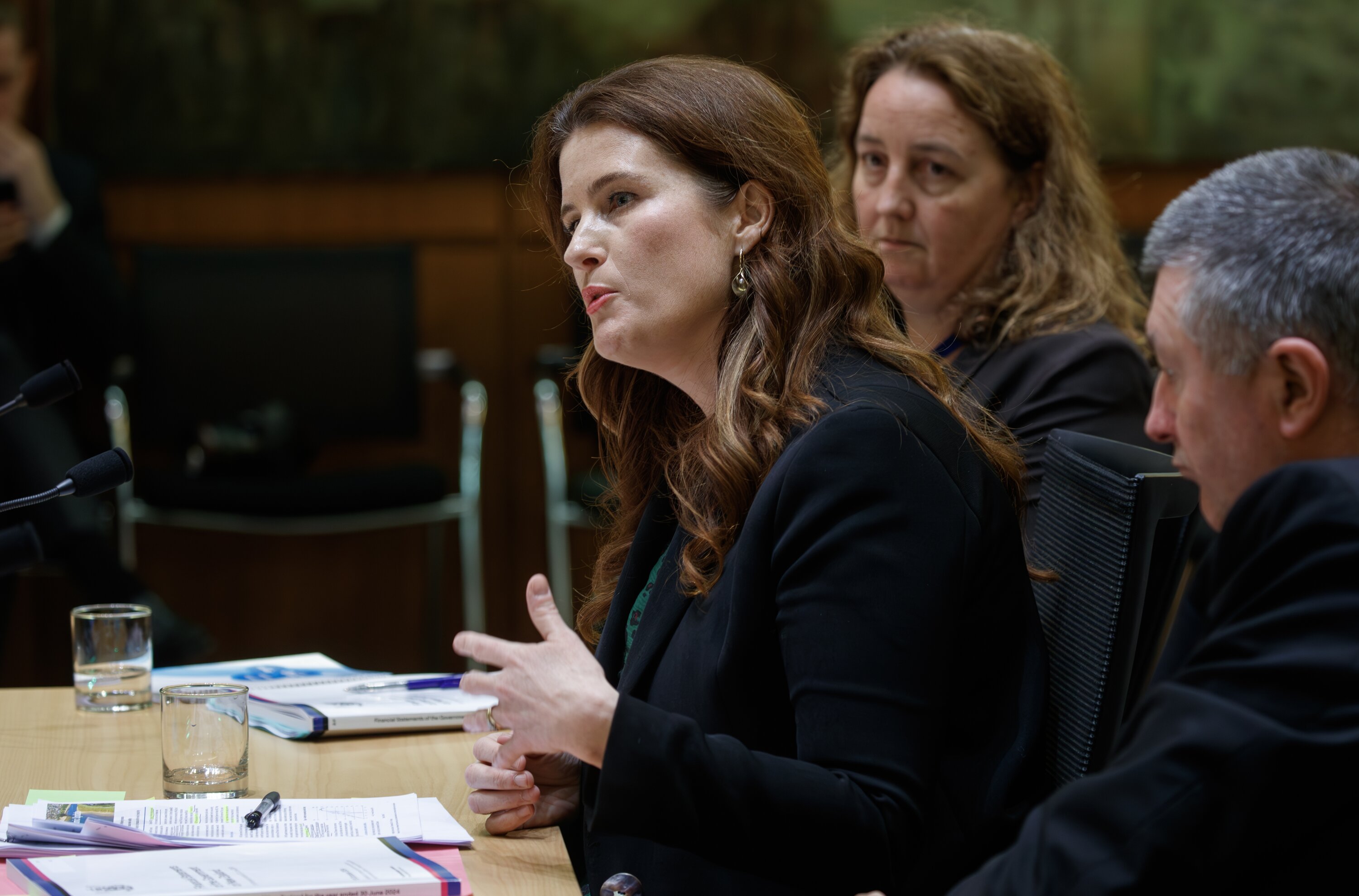
On Tuesday morning Willis told Parliament’s finance and expenditure committee that the Government wasn’t ruling out introducing new taxes, levies, or charges, like road tolls, and specifically said it could end up getting more revenue from charities.
Speaking to media after her address, Willis said: “Wherever you have omissions from the tax regime, there will be some who structure their affairs in order to limit their liability, who may be, for example, building up funds that aren’t going to charitable purposes.”
Asked whether the crackdown could affect the childcare charity, Best Start, which made a tax-free operating profit of $32 million last year, Willis said: “There are a number of examples of trading entities that also operate as charities. That is one example.”
Best Start was controversially converted to a charity in 2015 when its owners, the Wright Family Trust, sold the business to the Wright Family Foundation for $332m.
The Wright family is understood (by the National Business Review) to be worth $400m, with most of its wealth being derived from the Best Start sale.
Willis acknowledged that breakfast goods manufacturer, Sanitarium, which is owned by the Seventh Day Adventist Church, is another charity that could be affected by the crackdown.
She said advice on how to address the issue was yet to be taken to Cabinet.
“These are very detailed tax matters, because whenever you see one loophole and you seek to close it, you need to be aware of the implications elsewhere,” she said.
“I don’t want to be in a situation where good charities, doing great work in the community, are hit by changes to tax law that aren’t doing what we intend.”
Speaking to the Herald about the issue in September, Deloitte tax partner Robyn Walker said closing loopholes could be easier said than done.
She explained the rules currently say that over the lifetime of the charity, no one is to profit from it, and it must undertake charitable purposes. This allows charities to raise funds in a business-like way, and for these to be disbursed in a charitable way later. The challenge is determining whether entities are exploiting this rule and determining who is in and who is out.
Walker warned poor lawmaking could lump big compliance costs on legitimate charities.
Jenée Tibshraeny is the Herald’s Wellington business editor, based in the Parliamentary press gallery. She specialises in Government and Reserve Bank policymaking, economics and banking.