Media Insider: Stuff Digital press gallery journalists face possible temporary suspension from Parliament over photo of National MP Louise Upston
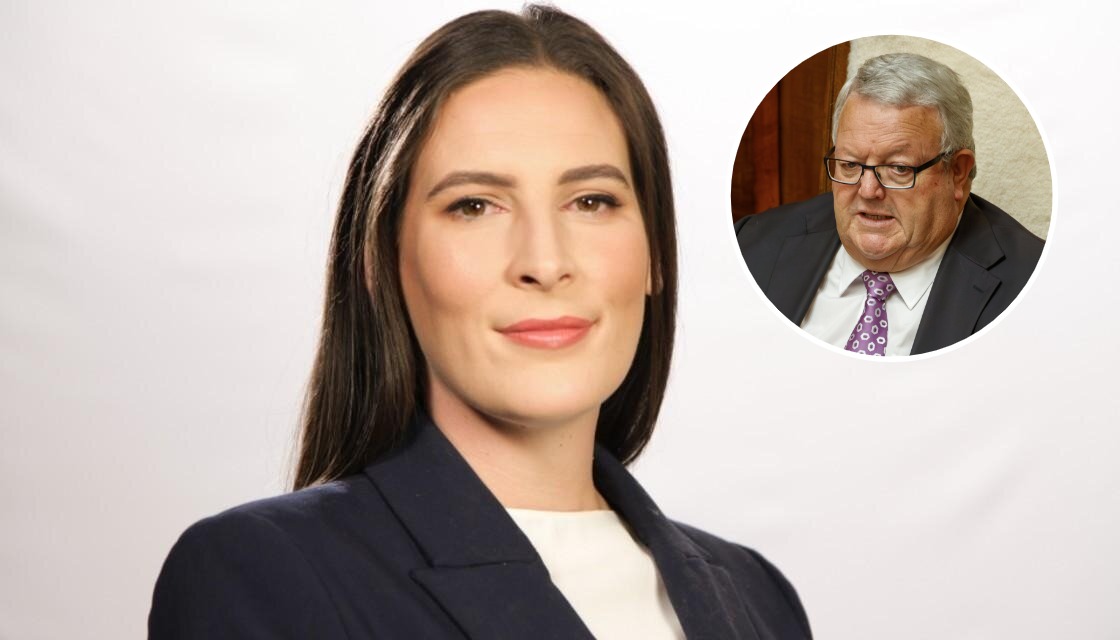
Almost a dozen political editors and senior journalists have written to the Speaker, protesting the possible suspension.
One of the country’s biggest press gallery teams faces a possible temporary suspension from Parliament following the publication of a photograph of a National Party MP.
The proposed suspension of members of the Stuff Digital team - according to the Parliament website there are seven accredited members including political editor Jenna Lynch and senior journalist Lloyd Burr - has sparked a letter of protest from senior press gallery editors and reporters.
The possible suspension comes after Stuff published on its website an image of National MP Louise Upston in a hallway at Parliament, at the height of recent coverage of the MP’s housing allowance.
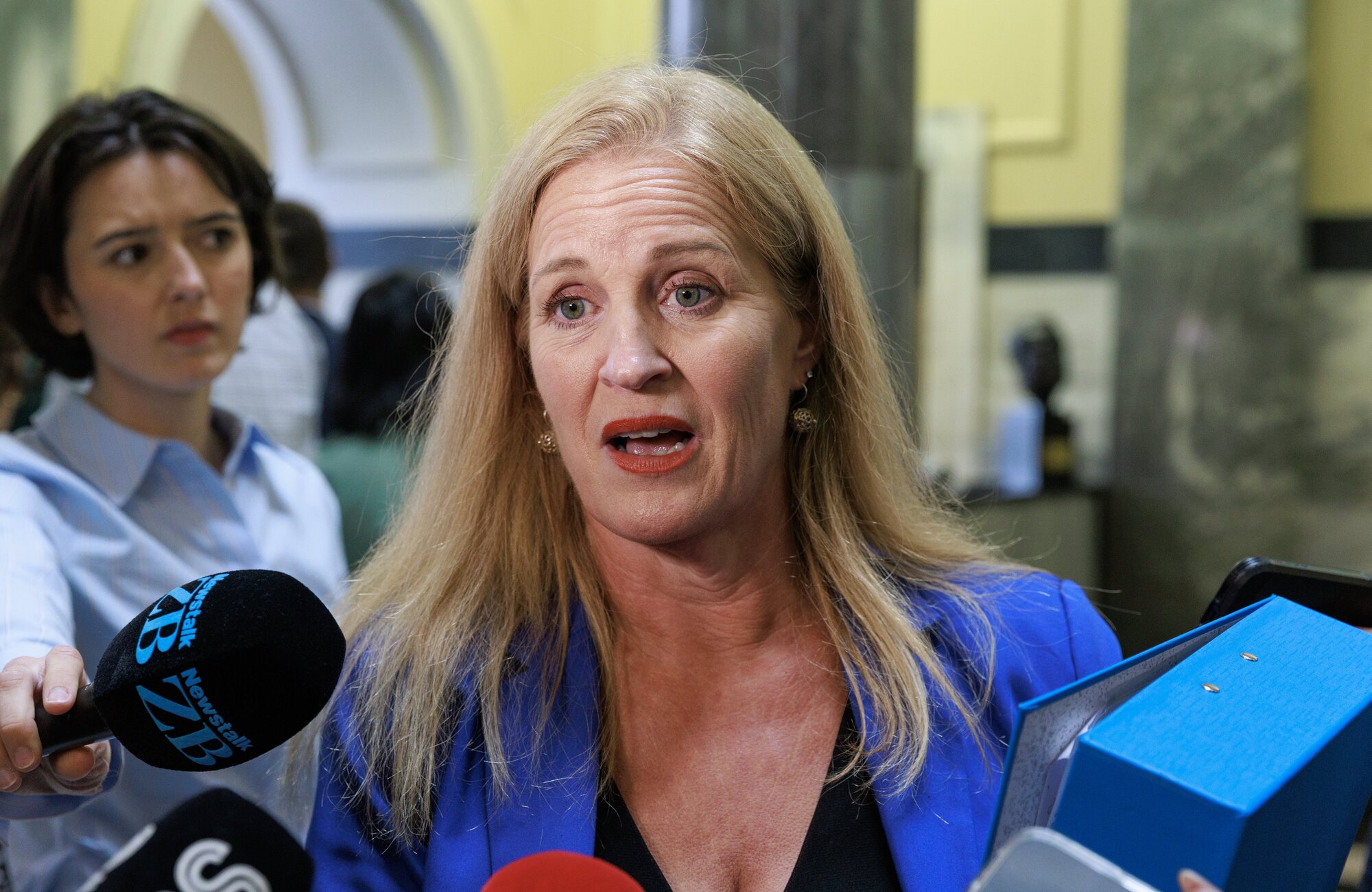
Upston collects $1000 a week to live in her own Wellington apartment which is within the current rules.
Parliament Speaker Gerry Brownlee confirmed today that he had seen the photograph and believed it had breached press gallery rules.
“There are very clear rules about where gallery journalists and associates can film - on the tiles, and it makes it very clear in those rules that it is for the purposes of conducting an interview.
“In this case they had a camera pointed through open doors right through the grand hall to a corridor between the grand hall and the legislative chamber.
“There is a regular access way and egress way for members leaving the house. It’s also an area where it’s long been marked out as areas where interviews can only take place if agreed by the member.”
He confirmed he was considering a “very temporary” suspension but also added that this would not be determined today.
“That’s what I’m considering, but I’m in discussions with them, so I have nothing further to say at this point.”
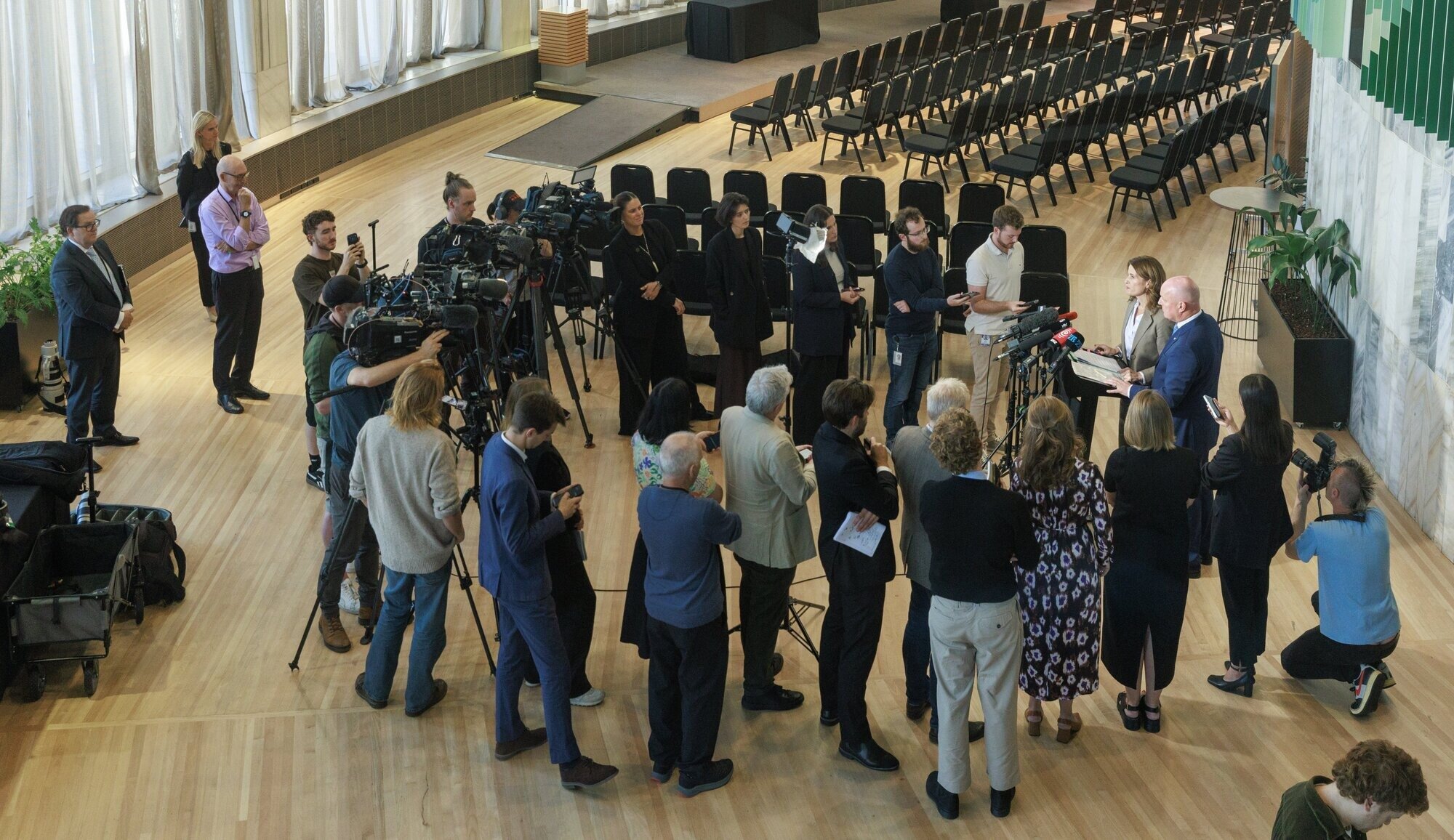
Political editors and senior journalists from a range of newsrooms including Thomas Coughlan and Audrey Young from the NZ Herald, Benedict Collins from TVNZ, Jo Moir from RNZ, Sam Sachdeva from Newsroom, Luke Malpass from The Post, Brent Edwards from NBR, Richard Harman from Politik and Māni Dunlop from Whakaata Māori are among those to have written to Brownlee.
They say the photograph was taken from an area of Parliament - the Level 1 foyer of Parliament House, an area known as “the black and white tiles” - where they believe journalists have long had explicit permission to interview, film and photograph MPs.
The editors’ letter expressed concerns about the impact of the Speaker’s potential decision on media freedom.
“To suggest that Press Gallery members now require the express consent of MPs to film, photograph and interview them from areas where we have always been permitted would amount to a dramatic reduction in access, and raises concerns about media freedom,” the journalists said in the letter to Brownlee.
“We are naturally concerned by any attempt to reduce the Press Gallery’s rights and access, as has happened incrementally over the years.
“This is just one more proposed change that in itself might not mean much, but cumulatively has led to a concerning erosion to our access over time. If any MP has concerns about the editorial content of a story, that should be dealt with through the usual channels for complaints, rather than by seeking to curtail our access to Parliament.”
The editors asked Brownlee to reconsider his possible move “in the interests of ‘supporting the transparency and openness of New Zealand’s system of representative democracy’ per the press gallery’s rules”.
Brownlee told Media Insider that the gallery journalists were in a “pretty advantaged position compared to where a lot of media comes from these days - and it’s all at the expense of the taxpayer”.
There had to be some rules, he said, and it was his job to make sure that MPs’ rights were also protected.
“They [the journalists] can argue those rules if they want, but in the end, it’s something that could be discussed by the executive directly with me. It’s not for individual members of the gallery to start determining what the rules are.”
Stuff Digital editor in chief Keith Lynch said the company did not believe any rules were broken, and had expressed this point to the Speaker.
“We have also conferred with other senior members of the Press Gallery who agreed with our interpretation of the rule.
“We stand by the publication of the photograph which accompanied a story of significant public interest. We remain willing to engage directly with the Speaker to resolve the matter.”
Maiki Sherman ban
In April, then-TVNZ political editor Maiki Sherman was suspended from covering Parliament for five days by Brownlee.
The five-day ban, imposed because of the way Sherman tried to interview National whip Stuart Smith in a corridor late.
The National Party claimed TVNZ staff followed Smith into an area where interviews were not allowed without express permission, and aggressively banged on a door for several minutes.
Brownlee said the five-day suspension was “the most appropriate course of action”.
He said Sherman “went beyond the prescription and spirit of the rules that had previously been agreed by the press gallery and Parliament”.
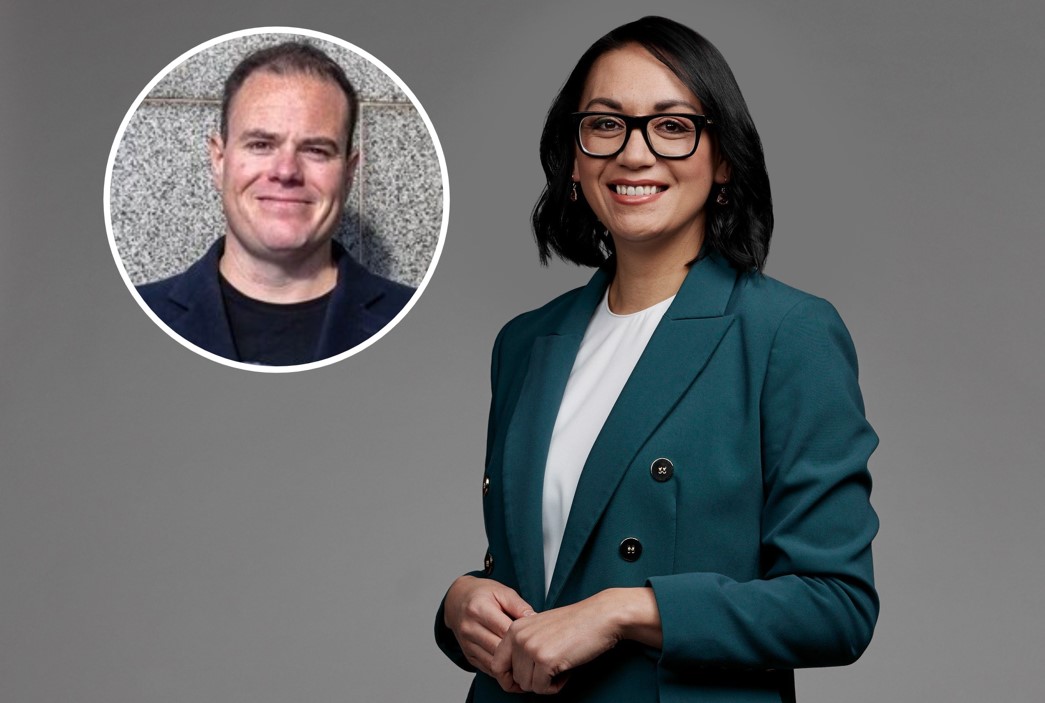
Two days after serving her ban, Sherman announced her resignation from TVNZ, saying her role had become untenable. She had faced intense scrutiny over the Smith incident, and an incident a year ago in Finance Minister Nicola Willis’ office involving Stuff journalist Lloyd Burr.
In 2011, then-Speaker Lockwood Smith removed parliamentary access cards from NZ Herald political staff for 10 days.
The Herald reported at the time that the decision was “without precedent” and then-editor Tim Murphy said the move was “outrageous”.
The action followed the publication on the Herald website of a photograph of guards and other people restraining a man who was trying to jump from the public gallery into the debating chamber.
The suspension of the Herald‘s accreditation, on paper, barred the paper’s journalists from the complex, including ministers’ offices in the Beehive, but Herald staff were – in this instance – able to rely on the goodwill of other journalists to get access to their offices.
At the time, Smith said the photograph was a breach of standing orders, which prohibited filming of protests and other disruptions in the public gallery.
Editor-at-Large Shayne Currie is one of New Zealand’s most experienced senior journalists and media leaders. He has held executive and senior editorial roles at NZME including Managing Editor, NZ Herald Editor and Herald on Sunday Editor and has a small shareholding in NZME.