Airlines at the ‘sharp edge’ of soaring oil prices, SkyCity’s legal challenge low risk but poorly timed - Stock Takes
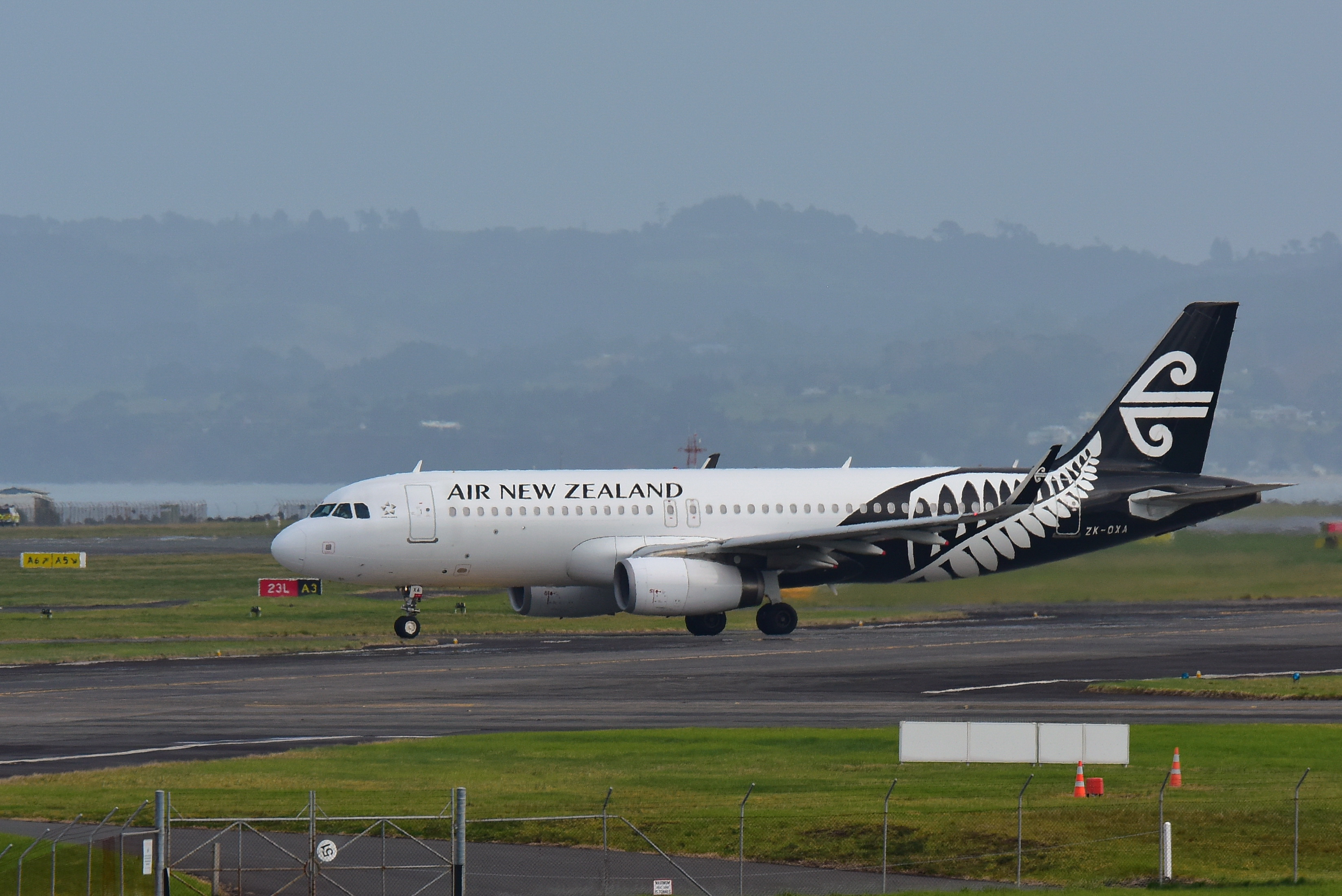
Airlines are at a disadvantage in the current fuel price chaos, Forsyth Barr analysts say.
And some industry groups say help is needed to support carriers at the “sharp edge” of global energy market upheaval.
Some airlines, such as Air New Zealand, hedged fuel costs.
But that hedging was based on crude oil prices and not jet fuel, which at times this month has been wildly more expensive.
The price difference between crude oil and refined jet fuel is called the crack spread.
Forsyth Barr’s Andy Bowley and Hugh Lockwood said mid-March jet fuel prices were up 143% on those of a year before.
Jet fuel was up 118% since the war started.
That put airlines in a bind, they said.
“Despite the hedging, they are exposed to the crack spread, with limited ability to recover the additional cost from existing forward bookings.”
Brent crude was up 38% since the outbreak of the conflict and the crack spread alone peaked at more than US$110 a barrel.
That was an all-time high, well above the roughly US$45 after Russia invaded Ukraine in 2022.
Forsyth Barr said a few key trends were shaping the aviation sector’s growth.
International air travel was recovering, with overseas visitor numbers in January at 96% of pre-Covid levels.
Arrivals from India, the US and Australia were above 2019 levels.
“Visitors from Canada [+13%] recorded the largest relative increase.”
Airline capacity was another theme.
Bowley and Lockwood said in the year to February 2026, Air New Zealand’s capacity was 93% of 2019 levels.
The airline’s scheduled capacity for the rest of this year was 97% of pre-Covid levels.
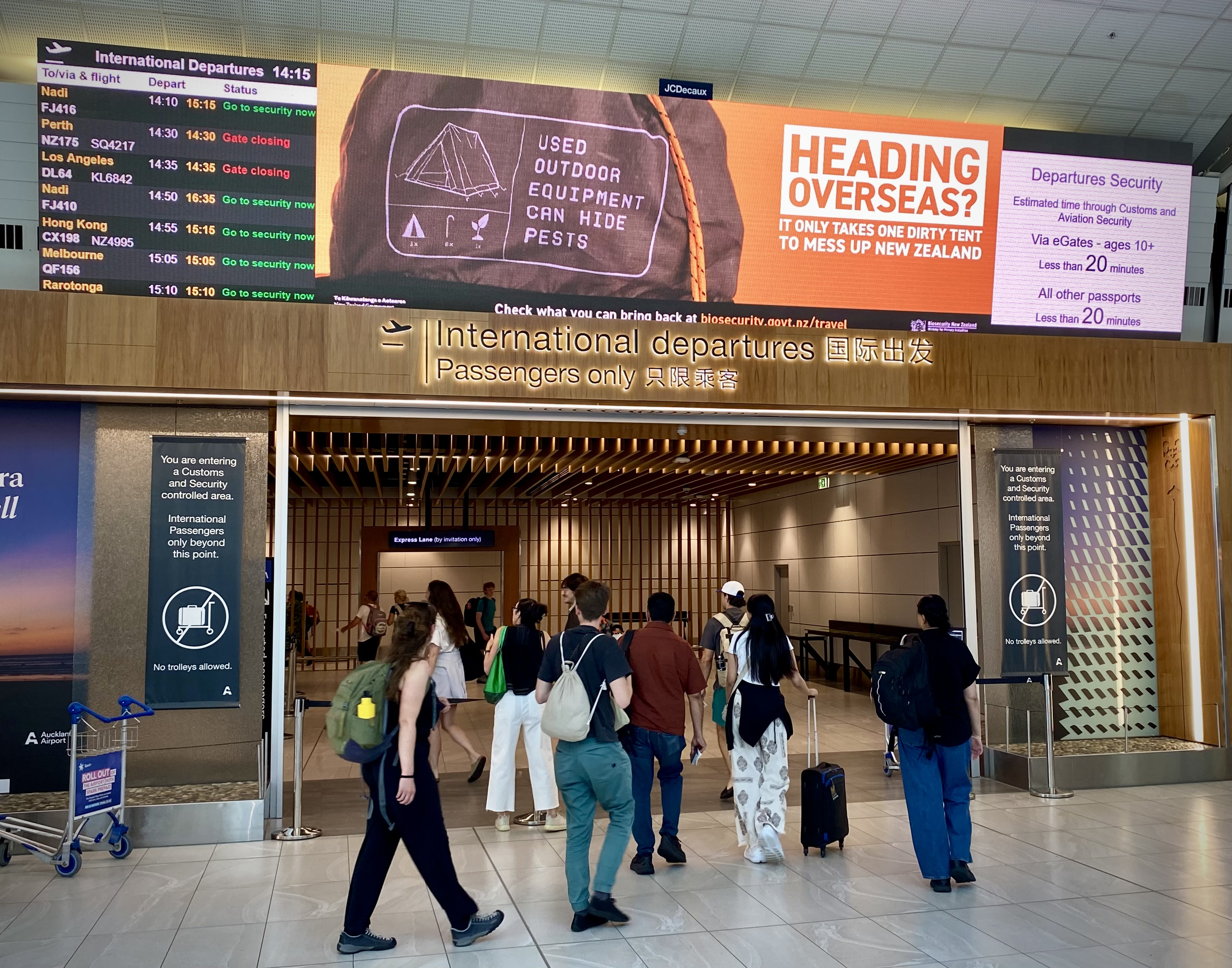
Auckland Airport’s scheduled seat capacity was 94% of 2019 levels, the analysts said.
They said Auckland enjoyed a roughly 85% share of New Zealand’s international air cargo before Covid.
That was higher than its international passenger share, which was reflective of its greater long-haul exposure than other airports.
“While its total international cargo volume declined through Covid-19, its share has increased given reduced competition.”
Global airfreight volumes were up 5.6% year-on-year in January, with strong increases in most regions.
The analysts said average February 2026 global airfreight rates increased 6% on the prior year.
Meanwhile, the Association of Asia Pacific Airlines this week said the Middle East war had increased operational risks and costs for airlines.
“Safe pathways along the Asia–Europe air corridor are further constrained by conflicts not only in the Middle East but also over Russia, Ukraine, Afghanistan and Pakistan," the group said.
“Higher jet fuel prices and insurance premiums, together with increased operating costs from longer flight routings, are placing additional strain on the airline industry.”
It said governments could support airlines through timely threat information, coordinated repatriation arrangements, and considering measures to alleviate extraordinary operational costs if the situation continued.
The International Air Transport Association (Iata) said the war had severely disrupted global energy flows, exposing deep vulnerabilities in jet fuel security.
“The aviation industry, unable to substitute jet fuel at scale, remains at the sharpest edge of the disruption, making policy intervention essential,” Iata said.
The airline group said jet fuel resilience had to be boosted through dedicated strategic reserves, diversified sourcing, and closer coordination between governments, airlines and refiners.
Low risk but poor timing
SkyCity’s recent disclosure that it faces a potential class action over the legality of its online gambling operations is unlikely to prove financially material, according to two investment firms.
But they do point out that the optics of the lawsuit are not helpful and could be another distraction to the casino operator’s efforts to convince investors its regulatory troubles are behind it.
The company did not name who is bringing the lawsuit, but said they were seeking to test the lawfulness of the online gaming business, operated via a Malta-licensed entity called Silvereye on behalf of an overseas subsidiary of SkyCity.
Both Craigs Investment Partners and Forsyth Barr view the litigation as a low-probability, low-impact risk.
The claim relates to gambling losses incurred between February 2020 and February 2026, a period over which SkyCity Online generated about $65 million in revenue excluding GST, BusinessDesk has reported.
That figure is effectively the maximum pool from which any damages could conceivably be drawn.

For liability to arise, courts would first need to find that SkyCity’s online structure was unlawful, despite having operated openly for more than six years and paid gaming duty and GST during that time.
“If found illegal, the court would then need to award compensation for the predetermined class in the lawsuit. Finally, every player that lost money to SkyCity Online between February 2020 and February 2026 would need to opt in to the class action to be eligible for a payout,” Forsyth Barr said in a research note.
Craigs also saw the chance of meaningful damages as remote.
“While detail remains limited, we currently view the financial risk as low,” Craigs said in its note to clients.
However, both firms highlight a perception issue, with Craigs saying the announcement is “not helpful for optics”, particularly as concerns around regulatory overhang had only just begun to ease following SkyCity’s well-documented casino compliance and AML issues.
Forsyth Barr echoed the point saying additional legal challenges are not what investors want to see.
The class action emerges just as Parliament is finalising the Casino Online Gambling Bill, which will formally license and regulate the sector from late 2026. While that reform should ultimately favour incumbents like SkyCity, the spotlight being shone on the company’s online gambling is not great timing.