Editorial: What price security on Cook Strait?
EDITORIAL
Clearly the Government needs to bring some renewed discipline to spending. But there are areas of vital infrastructure investment where looking for short-term savings is likely to prove a false economy.
For an archipelago nation, the primary link between the two major islands might be one of those examples.
Does anyone need reminding that Cook Strait is not a stretch of water to be trifled with?
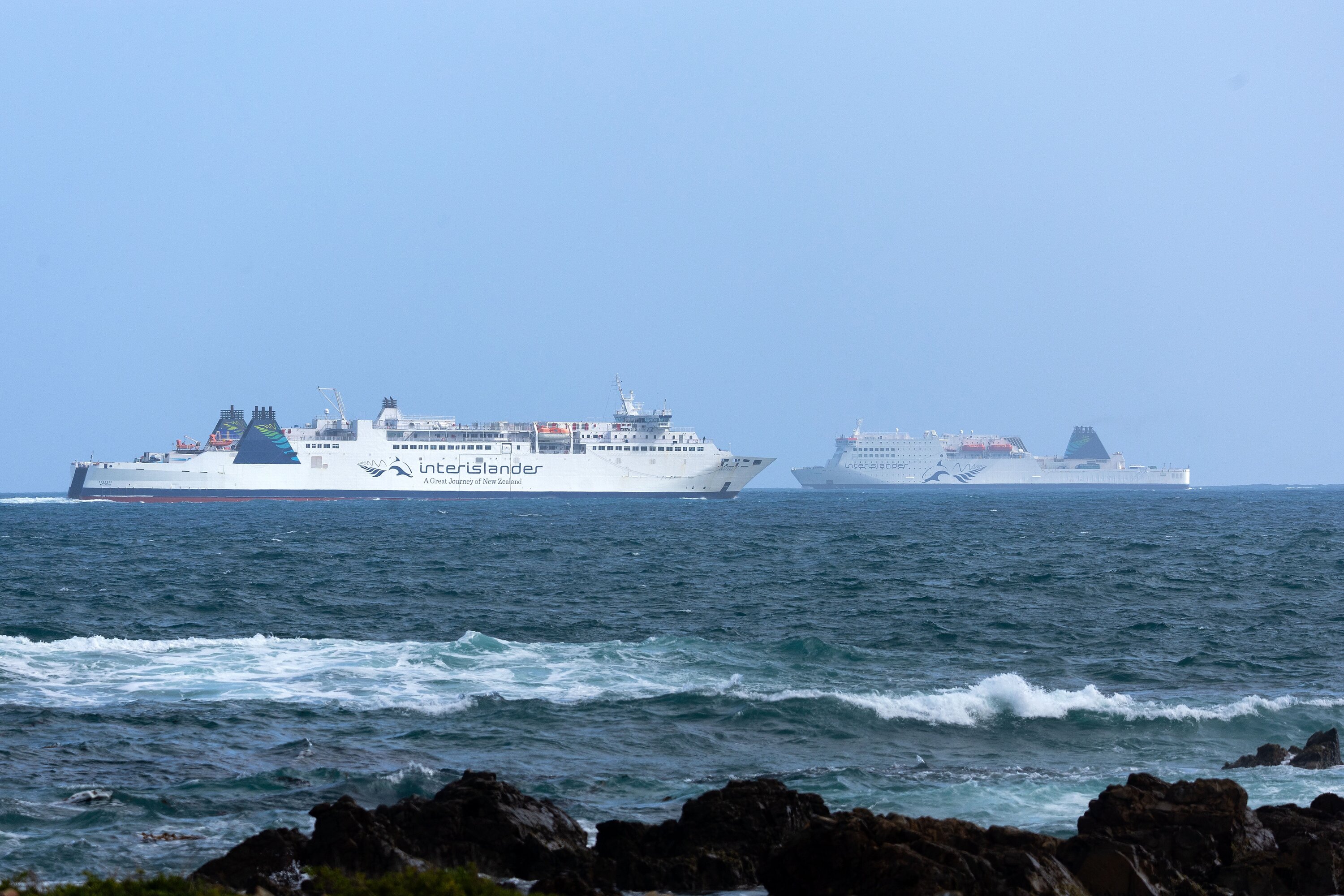
As has been proved many times this year, the route requires powerful, up-to-date vessels, with plenty of back-up, and not clapped-out hand-me-downs from other countries.
This week , the Government revealed it had refused a $1.47 billion funding request for KiwiRail’s new mega-ferries project, leaving the scheme dead in the water. Finance Minister Nicola Willis said she feared a “completely open chequebook” if she had agreed to pour more funding into the Cook Strait mega-ferry project.
She has suggested KiwiRail was effectively buying a “Ferrari … and now we’re going to go off and see whether there are any good reliable Toyota Corollas available”.
This is not a good analogy.
The Cook Strait ferry service has for years been crying out for state-of-the-art, powerful ships with plenty of power for when conditions turn for the worse, as they often do. Nobody wants to see another Wahine disaster. The directors at KiwiRail will be acutely aware they are potentially criminally liable in the event of a similar catastrophe.
There have been close calls in recent years. In January, Interislander’s Kaitaki lost power with 864 people on board and started drifting dangerously close to Wellington’s south coast.
Successive governments have known major investment is needed in the ferry service for years and have failed to act. The same might be said of any number of major projects scheduled by the previous regime and now for the chopping block. How many millions have already been committed to plans for a second major Waitematā Harbour crossing?
There is no doubt the new National-led government finds itself between a rock and a hard place with regards to financing major infrastructure spending. Crown finances are tight and there are legitimate questions to be asked about the quality of spending in the past few years.
But New Zealand’s Crown debt position is not dire. It remains low by international standards and the restrictions we are bumping up against are self-imposed. Credit rating agencies remain sanguine about New Zealand’s outlook and where they are concerned it primarily relates to our current account deficit — the aggregate of all the nation’s earnings and expenditure — private and public.
The National Party has also effectively tied its own hand with a commitment to income tax cuts that look increasingly unaffordable in the present economic climate. Prime Minister Christopher Luxon has suggested there are other options — primarily, that he can drive increased foreign direct investment.
The level of international interest — outside of politically difficult Chinese investment — remains to be seen. Regardless, it will take time and send us back to the drawing board. This is not an area the country can scrimp on because people’s lives are potentially at stake.