NZ Census and income: Highest earning suburb revealed in new data
“No one is rich enough to do without a neighbour,” goes an old proverb.
And Kiwis can see just how rich their neighbours are as detailed income data is released today as part of Census 2023.
That data reveals the median household income of 90 areas, including cities, districts and Auckland Local Boards.
Median incomes reported in the Census are generally lower than the median incomes reported elsewhere, as the data captures all adults over 15 as opposed to only those in the workforce.
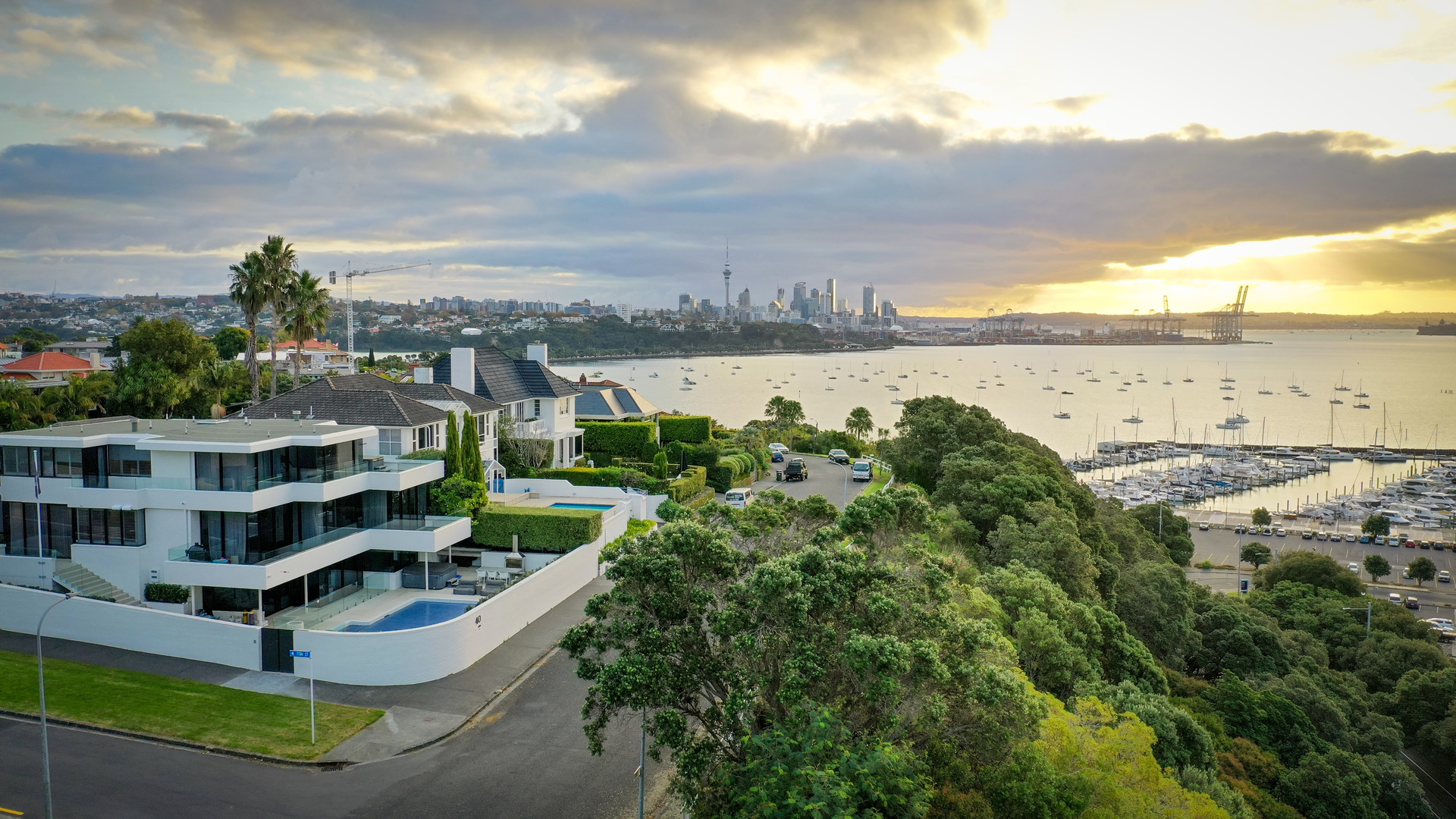
According to the data released today, earnings are highest for those in the Ōrākei Local Board Area in Auckland, with a median household income of $58,000 per year.
Home to Okahu Bay Beach and Kelly Tarlton’s Sea Life Aquarium, the suburb of more than 80,000 people had its median income grow by 21% between 2018 and 2023.
With views of Auckland’s skyline and the Hauraki Gulf, the suburb has a median housing sale price of $1.88 million.
After Ōrākei, Wellington City and Queenstown Lakes had the next highest median incomes at $55,500 and $52,600 respectively.
SEE THE MEDIAN INCOME IN YOUR AREA USING THE INTERACTIVE MAP BELOW
Conversely, Aotea/Great Barrier had the lowest median household income in the country at $28,500 per year.
Buller and Kawerau were slightly better off with the second and third lowest median incomes at $28,800 and $29,200 respectively.
The Hastings District’s median income grew the most between 2018 and 2023, up 42.6% to $40,500.

Personal income
The median personal income of those working in New Zealand was $41,500, up 30.5% compared with $31,800 in 2018.
The $100,001-$150,000 income group grew the largest in the last five years, up 73.6% from 176,310 people in 2018 to 306,042 in 2023.
The $70,001-$100,000 income group also reported significant growth in the past five years, up 54.7% from 361,317 in 2018 to 558,813 in 2023.
The lowest three total personal income bands decreased in population, signalling a movement into higher wage groups.
The number of respondents who reported personal income between $1-$20,000 dropped by an average of 30%.
Tom Raynel is a multimedia business journalist for the Herald, covering small business and retail.