Meridian Energy wins draft approval to take more water from Lake Pūkaki
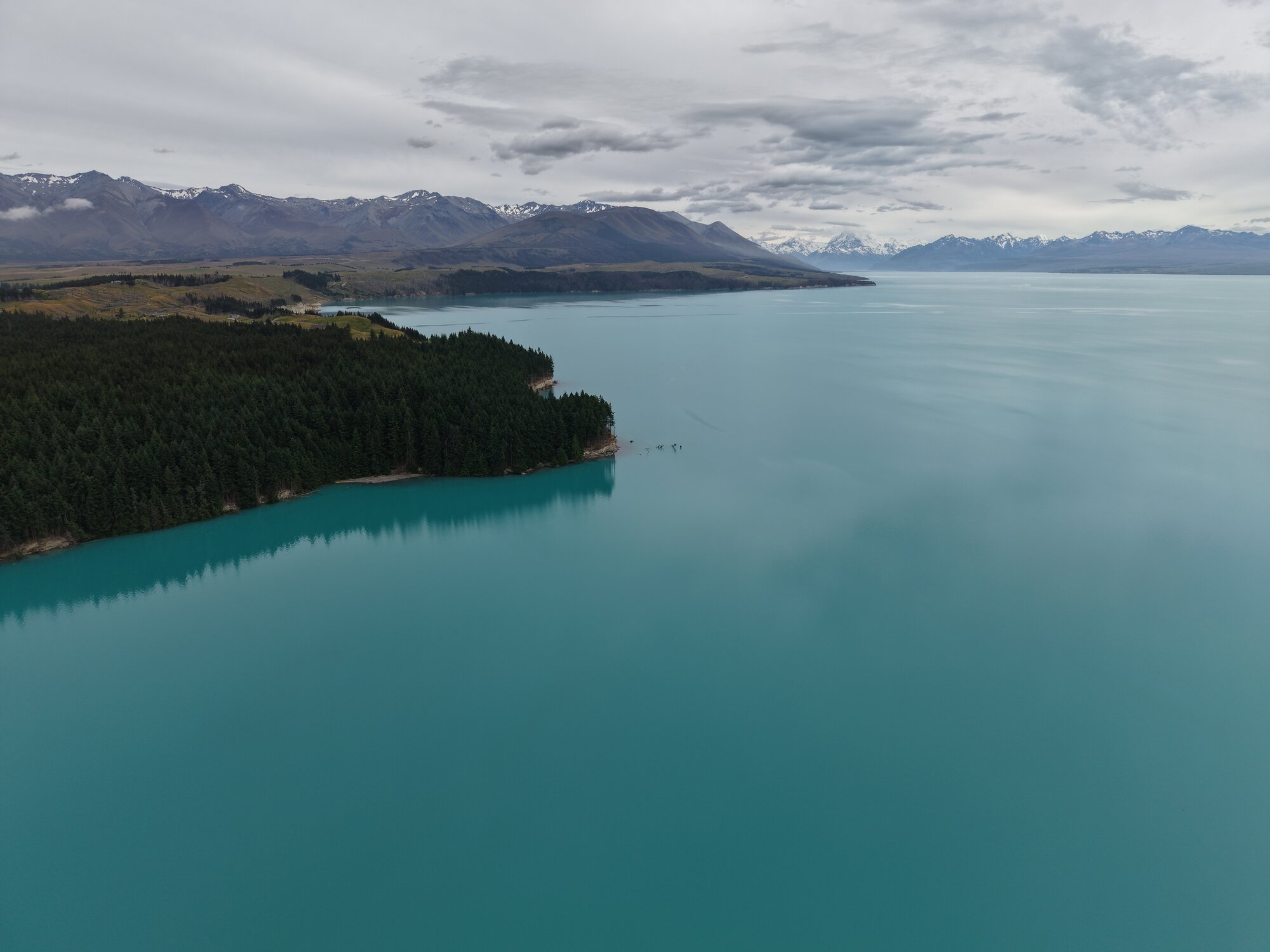
Meridian Energy may soon be allowed to take more water from Lake Pūkaki for power generation after receiving a draft decision from a fast-track panel.
The company had sought approval under the Fast-track Approvals Act to allow access to water stored between 518m and 513m above sea level before the point where Transpower estimates there is a 4% risk of electricity shortage.
The draft decision covered a three-year period.
Chief executive Mike Roan said when the pressure is on the system, like it was in winter 2024, every extra metre makes a big difference.
“Access to contingent storage will lower the price of electricity traded in the wholesale market by increasing the amount of renewable, lower-cost fuel available,” he said.
“This will, in turn, put downward pressure on the fixed rates retailers offer to residential and business customers, which is our number one priority.
“Access to contingent storage will lower the price of electricity traded in the wholesale market by increasing the amount of renewable, lower-cost fuel available.”

In addition to the contingent storage access, the fast-track panel’s draft decision also granted Meridian permission to permanently install rock armouring at Pūkaki Dam to ensure its resilience to wave erosion when operating the lake at lower levels.
The panel is required to release its final decision by July 3.
Pūkaki is part of the wider Waitaki Power Scheme (WPS), which plays a big part in the nation’s power supply infrastructure.
WPS is New Zealand’s largest and most flexible hydroelectricity power scheme and therefore has a critical role to play in the electricity system and economy, Meridian said in its fast-track application.
It consists of eight power stations (two owned by Genesis Energy and six by Meridian), commissioned between 1935 and 1985, with an installed capacity of 1761 megawatts, or about 32% of New Zealand’s installed hydro capacity.
Lake Pūkaki itself is a modified natural lake and is managed as part of the WPS.
Meridian said New Zealand has a long-standing reliance on hydro storage to provide flexible generation and security of energy supply.
“However, in comparison to other hydro-dominant energy systems worldwide, New Zealand has relatively low amounts of hydro storage.”
This has resulted in energy security issues in dry years, particularly in winter/spring seasons, the company said.
Jamie Gray is an Auckland-based journalist, covering the financial markets, the primary sector and energy. He joined the Herald in 2011.