Editorial: Data centre deal shows potential future for New Zealand
EDITORIAL
Infratil’s billion-dollar-plus capital raise this week shows there is money available for the right kind of investments and New Zealand’s future is looking bright when it comes to embracing technological change.
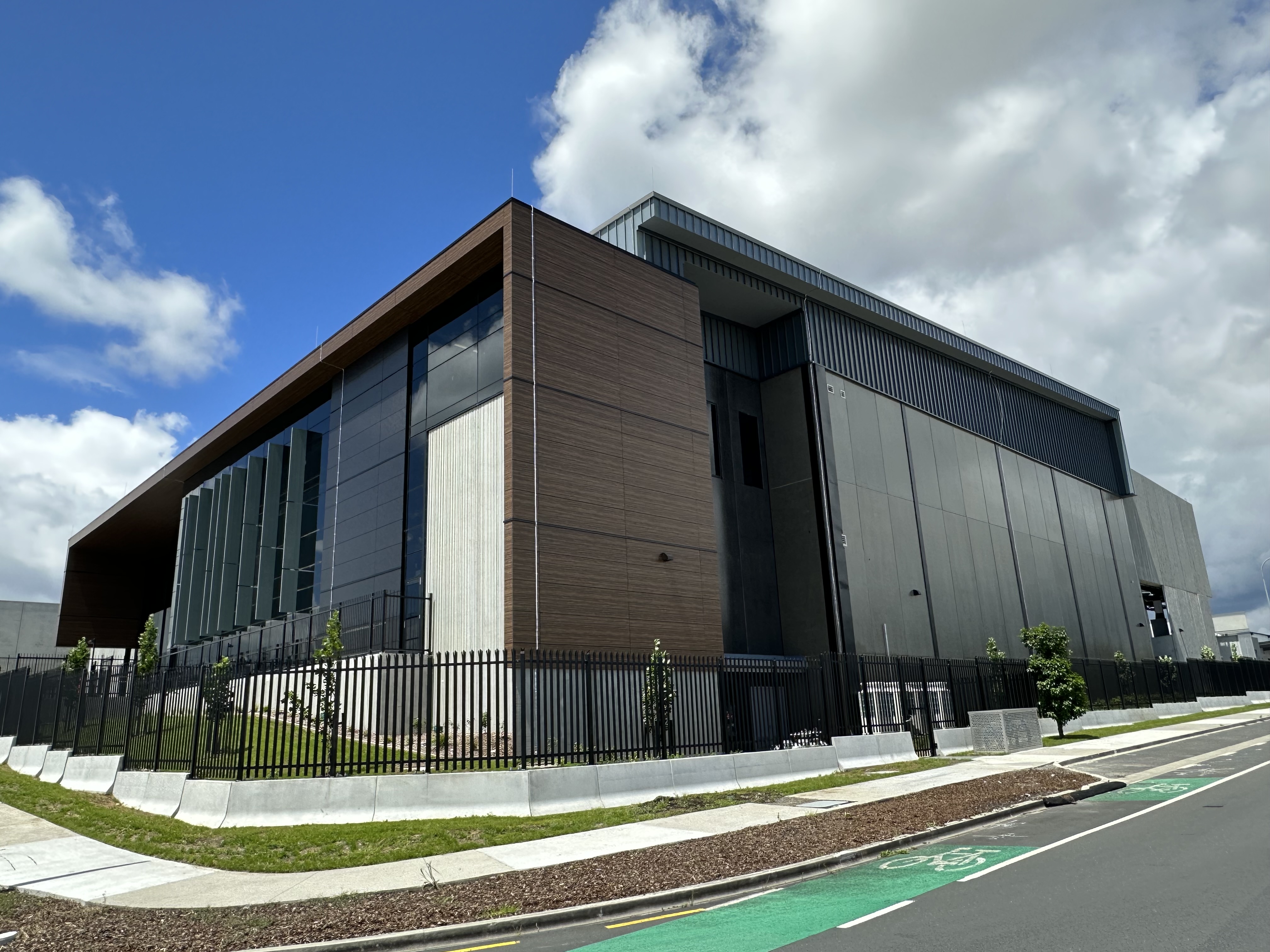
Infratil will use part of the money to fund its CDC Data Centre business. This company already has two data centres in New Zealand – in Auckland’s Hobsonville and Silverdale – with a third planned.
Local data centres mean the New Zealand Government and businesses can keep information about Kiwis on local soil. Storing data locally means it is subject to New Zealand privacy laws and other regulations.
This means more control over who owns the data and how it is disseminated.
It also means we can store data on behalf of other countries and overseas businesses. Given the rise in businesses moving their systems into the cloud and the increasing use of artificial intelligence (AI), this has huge potential.
New Zealand tradies benefit from the building of these data centres. Landowners can earn income from either selling or leasing the land to the data centre owners and then companies can benefit from being paid to store the data.
Big corporates like Microsoft and Amazon have already seen the benefits of having data centres in New Zealand. The biggest drawback of data centres is the amount of power they draw.
Collectively, the data centres will consume about 200 megawatts (MW) of electricity at peak usage – roughly the amount required to power some 200,000 homes. The average demand in Auckland is about 1700MW.
One reason big businesses are attracted to building data centres in New Zealand is the amount of renewable energy the country generates through water, wind and solar generation. Investors in those businesses see that as a huge positive.
But if New Zealand wants to keep being able to build more data centres while shifting users to electric vehicles, more power will be needed. The power companies are investing in more infrastructure and more solar farms are being built.
Just this week as part of the Prime Minister’s Japan trade trip, it was announced that Japan’s Obayashi Corporation will acquire a 50% stake in Kawerau-based Eastland Generation, to drive further growth in sustainable energy development and innovation in New Zealand.
On top of that, New Zealand Green Investment Finance announced it would lend $10 million to solar company Sunergise to increase its rollout of solar PV (photovoltaic) generation assets for commercial properties across New Zealand.
Sunergise has installed solar systems on 80 commercial sites already and the new lending will allow a further 40 new installations with 5000kWp (kilowatt peak) in generation capacity on commercial properties in Auckland, Tauranga, New Plymouth and Wellington over the next year.
Data centres also require high levels of water for cooling – another natural resource that New Zealand has plenty of.
The future is increasingly going digital with cloud computing and AI becoming part of everyday business. New Zealand needs to keep embracing this shift or face being left behind.