Morningstar expects Auckland Airport won’t reach pre-Covid numbers until 2028; Former a2 Milk boss gets $55 million payout deal; Discount airline set to die, United CEO says; Ryanair laments Russian drones; Qantas gets new Airbus
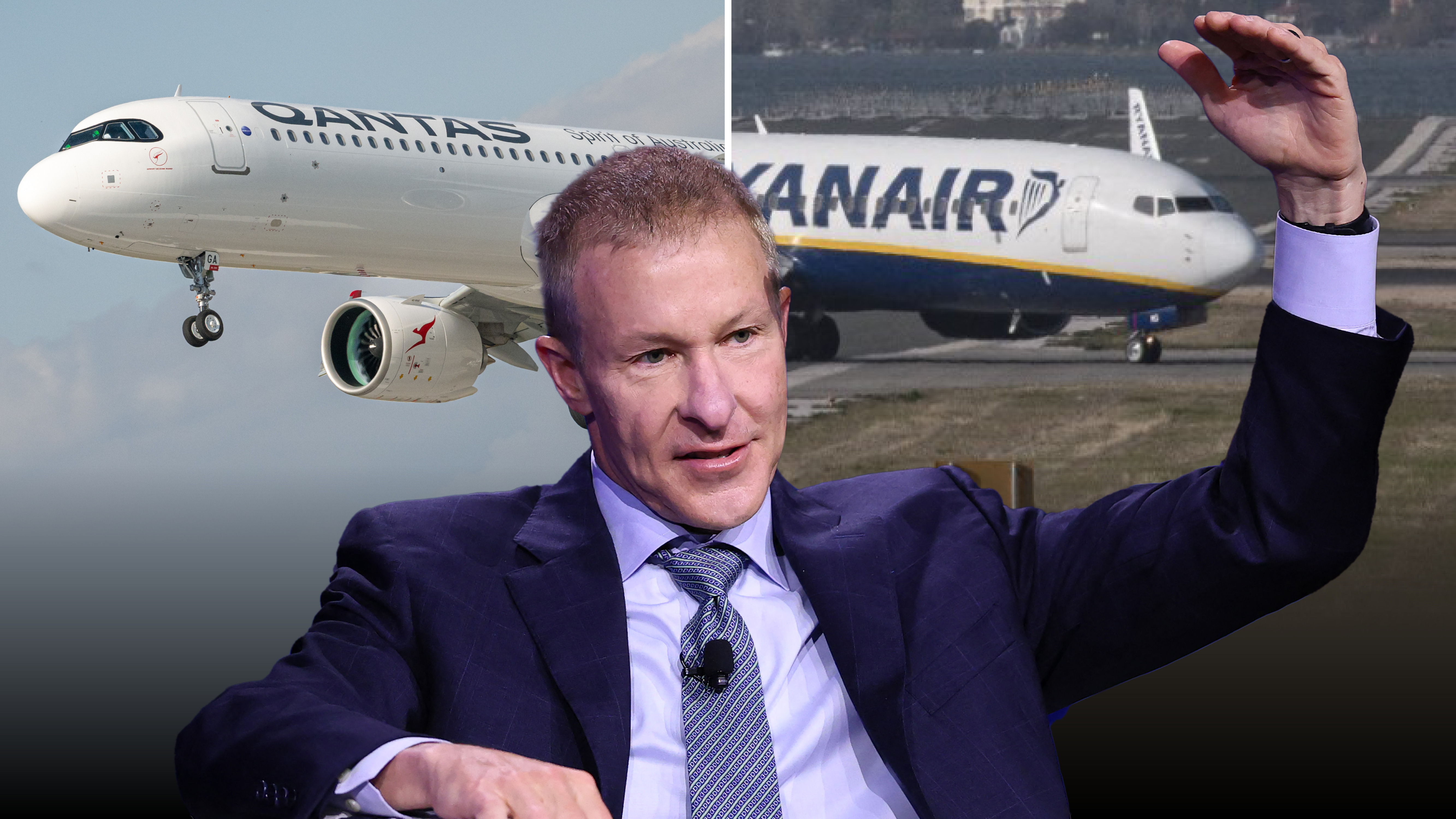
Morningstar doesn’t expect Auckland Airport to reach pre-Covid passenger numbers until 2028.
“Passengers have returned more slowly than we expected,” Morningstar market strategist Lochlan Halloway said in a note today.
“Domestic travel in particular has struggled, mostly due to New Zealand’s sputtering economy and issues with Air New Zealand’s fleet.”
The Morningstar comments are in contrast to an ebullient message from the Board of Airline Representatives (Barnz).
Barnz this morning said New Zealand would finally replicate pre-Covid peaks this summer, with international air service growth set to accelerate.
Morningstar said Auckland Airport’s multibillion-dollar infrastructure plans were generally a good thing.
The airport’s projects include a new domestic jet terminal.
“Share price performance has been lacklustre, with the market overlooking the benefits likely to emerge from a generational capital expenditure programme,” Halloway said.
The ratings and research company expected economic conditions to improve in New Zealand.
“And when the cycle turns, so too should discretionary spending like travel,” Halloway added.
“It’s also worth noting that Auckland Airport is not totally reliant on domestic conditions,” he said.
“Duty-free retail, a big part of the airport’s unregulated revenue, is driven primarily by inbound international passengers, not domestic travellers.”
Airlines have complained about the fees the airport charges them.
“We don’t think Auckland Airport’s higher aeronautical charges, which will be passed on to passengers, will weigh heavily on demand,” Halloway said.
“By 2027, international passenger charges will still be cheaper than Sydney, Heathrow, or Frankfurt today.”
Death of discounters?

United Airlines is the carrier with the world’s biggest fleet.
And it might have the CEO with the biggest mouth.
United’s chief executive, Scott Kirby, laid into beleaguered budget operator Spirit Airlines this week.
“You can’t have a business model that customers hate. You can’t have a business model predicated on ‘screw the customer’,” Kirby said in comments reported by CNBC.
“It seems unlikely to me that Spirit can keep flying, because their customers dislike the airline and don’t want to fly,” he told the US Chamber of Commerce’s Global Aerospace Summit in Washington DC.
Asked why he thought Spirit was going to close, Kirby replied: “Because I’m good at math.”
Spirit Airlines late last month filed for bankruptcy for the second time in a year, but said it would keep flying.
And it fired back at Kirby.
“Scott is finally right about something – it is all about customers,” Spirit said on social media.
“Our guests love low fares, especially our new Spirit First and Premium Economy options. Maybe that’s why United executives can’t stop yapping about us.”
AFP said Spirit first filed for bankruptcy in November, and in March had completed a restructuring deal with creditors to trim its debt.
Jayne Hrdlicka pockets $22.4m plus shares from Virgin Australia
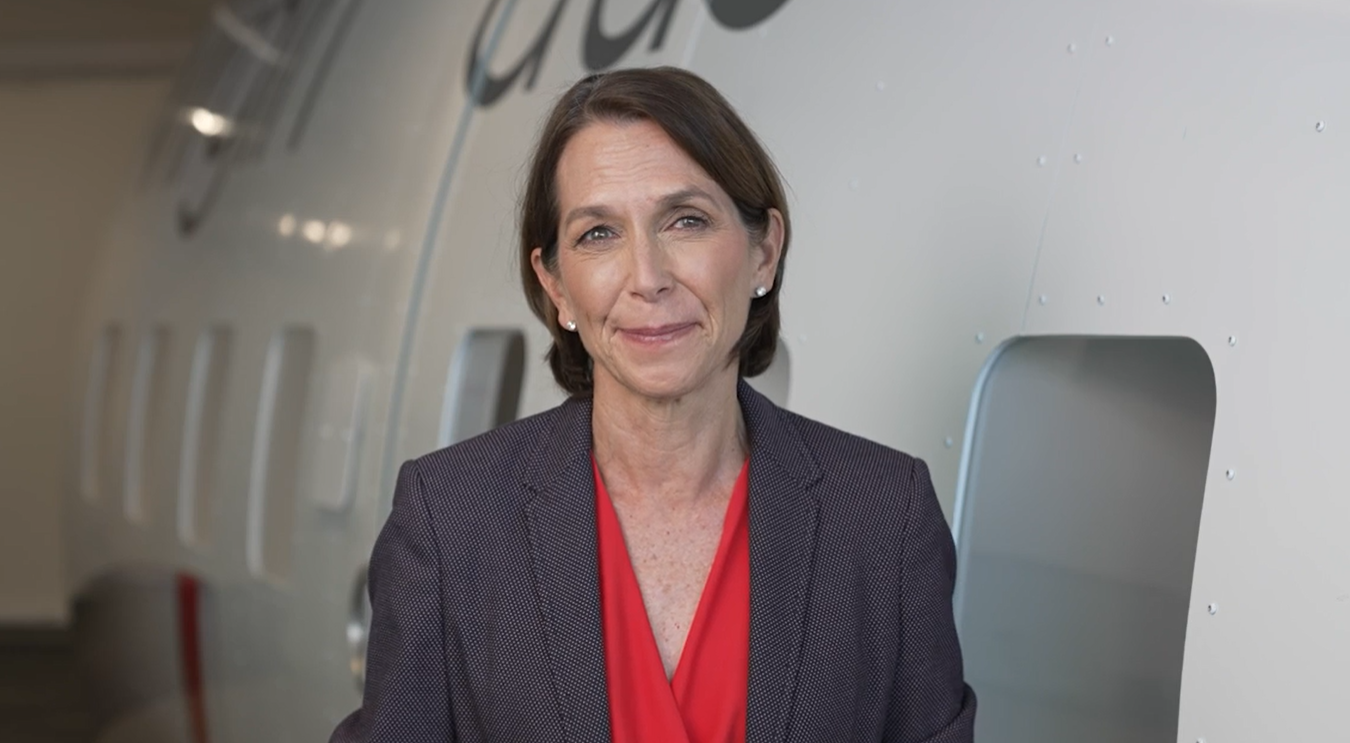
Former a2 Milk Company chief executive Jayne Hrdlicka has bagged a big bonus from Virgin Australia.
The airline’s annual report, out today, revealed the incentive pay and share package.
Hrdlicka was Virgin Australia’s CEO from November 2020 until March this year.
She received about 10.24 million shares at A$2.90 “as a good leaver”, the airline said.
Those shares are worth $33.142m.
The airline said Hrdlicka led the group’s exit from voluntary administration, helped stand the airline up after the pandemic, and led its transformation “into a profitable and sustainable business”.
In June, Virgin Australia returned to the Australian Securities Exchange after five years away and debuted at a 7.6% premium to its offer price.
“They priced the shares at a substantial discount to comparable airlines in the region, being Qantas and Air New Zealand,” Robbie Urquhart from Fisher Funds told the Herald this year.
The airline said Hrdlicka also led its deeper strategic partnership with Qatar Airways.
The company, headquartered in Brisbane, has a domestic network and short-haul international services, charter and cargo operations.
Dave Emerson, previously Virgin Australia’s chief commercial officer, took over from Hrdlicka in March.
In 2018, Hrdlicka sold about 340,000 shares in a2 Milk worth $4.3m just a few months into her time there.
In 2019, the Herald said a2 Milk shares worth $1.26m had been issued to Hrdlicka as part of the deal to lure her away from her previous employer, Qantas.
Before her stint at a2, Hrdlicka was chief executive at Qantas’ Jetstar unit.
Ryanair’s Russia warning

Ryanair chief executive Michael O’Leary said Russia’s aggression in eastern Europe could cause travel disruption for European airlines for years.
Reuters said O’Leary was bracing for more airspace incursions like the drone barrage that disrupted Polish flights on Wednesday.
“This is going to be an ongoing issue for all airlines for the next number of years,” O’Leary said at the Irish carrier’s AGM.
He said Europe needed a strong response to what he called “Russian prodding”.
The United Nations Security Council called an emergency meeting about the issue for today.
Qantas XLR-ates
Qantas today started taking bookings for flights on its first Airbus A321XLR aircraft.
The narrowbody twinjet is part of the Australian airline’s fleet renewal programme, which includes orders for 214 aircraft.
The first two XLRs are named Great Ocean Road and Outback Way.
They will fly for the first time on September 25 on Sydney-Melbourne and Sydney-Perth routes, subject to regulatory approval.
Qantas said the newcomers had overhead bins allowing for about 60% more space than their Boeing 737 predecessors.
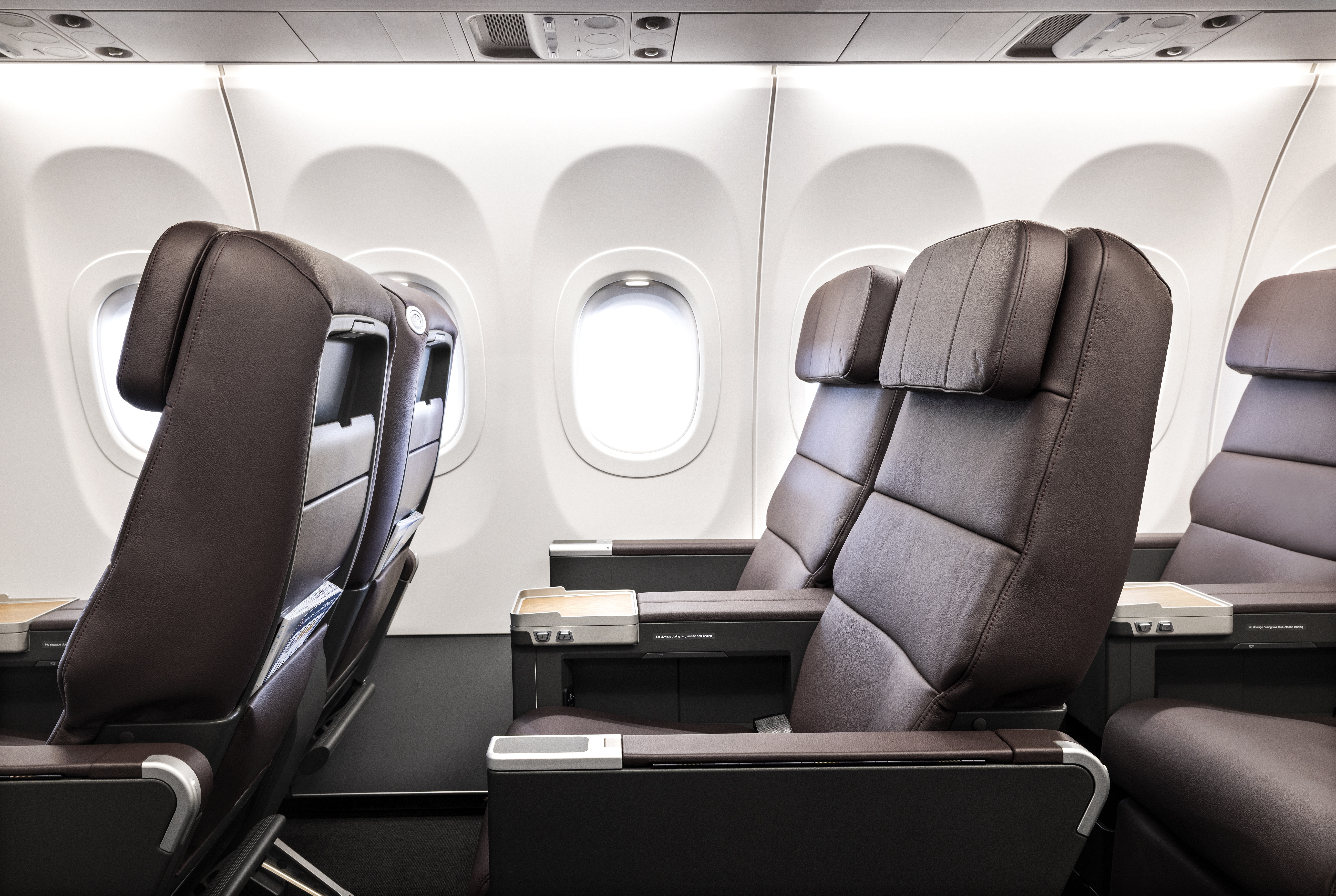
The XLR can fly about 3000km further than the 737.
Qantas domestic chief executive Markus Svensson said the XLR’s extended flight range would be useful on domestic and short-haul international routes.
And it would go to destinations across Southeast Asia and the Pacific not previously viable with the airline’s narrowbody fleet.
Qantas said the aircraft had Pratt & Whitney PW1100G-JM engines and were less noisy and produced fewer carbon emissions per seat than predecessors.
Last month, it announced an order for 20 of the XLRs, including the introduction of lie-flat business class seats on its narrowbody aircraft for the first time.
All up, Qantas aims to get 48 of the new aircraft.
John Weekes is a business journalist covering aviation. He has previously covered consumer affairs, crime, politics and courts.