Jetstar in top 10 as world’s greenest airlines ranked, airline group blasts ‘misguided’ tax scheme
Cleaner airlines should attract investors as punitive measures impact those who don’t cut carbon emissions, a new aviation study says.
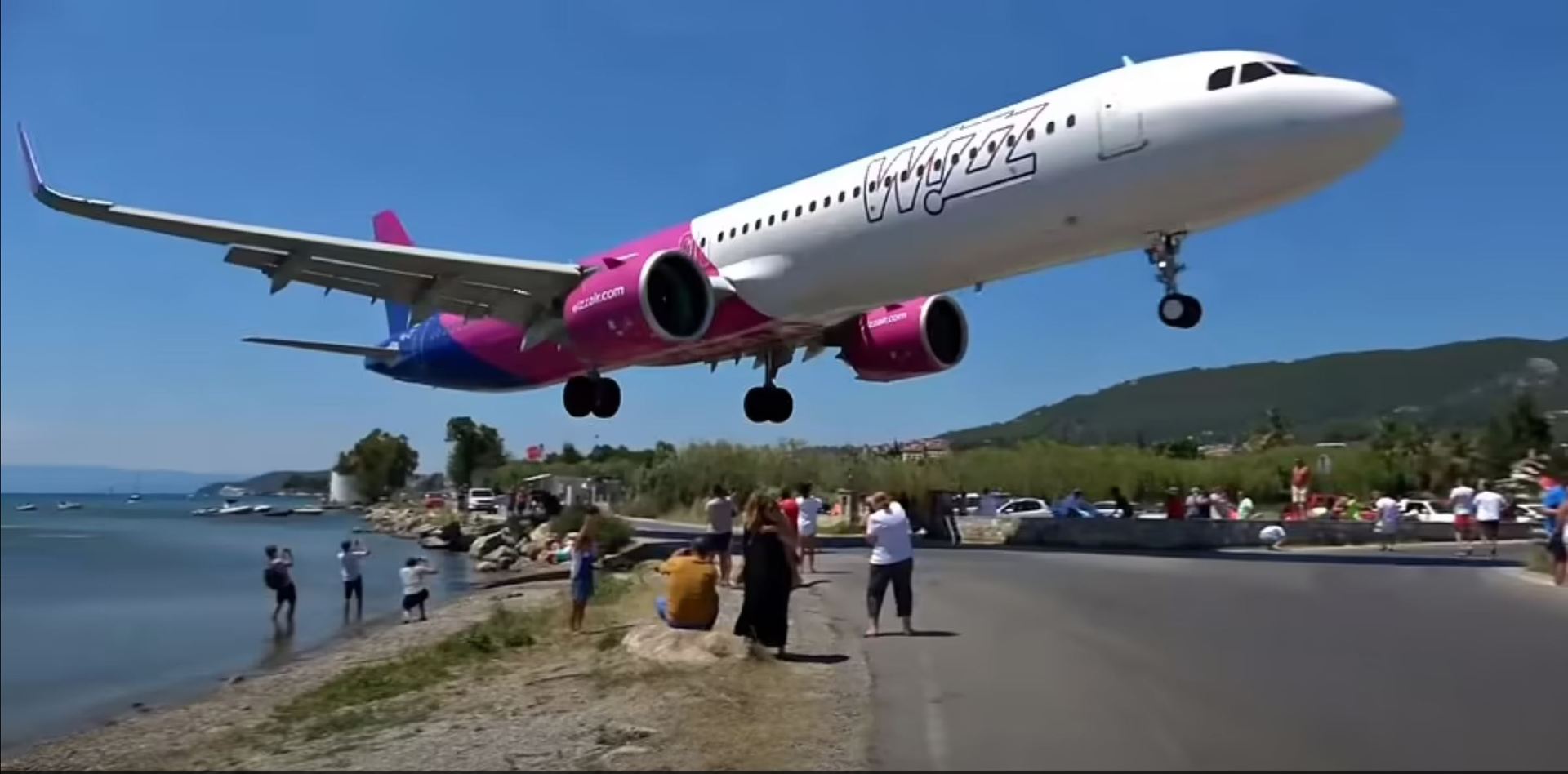
Cirium’s latest flight emissions review found Hungary’s Wizz Air was best.
Jetstar ranked sixth and was the only airline based in Oceania to make the top 20.
The report found Wizz Air emitted 53.9g of CO2 per available seat km (ASK).
The budget Hungarian carrier has scored abysmally on some recent passenger satisfaction polls.
But aviation analysts Cirium said carriers dominating the lowest emissions intensity rankings operated young fleets and used high-density cabin configurations.
Wizz Air operated what it called “ultramodern” Airbus A320, A321ceo and A321neo aircraft.
Cirium said its CO2 measurements and rankings captured what airlines could control, including aircraft efficiency, seating density, and route optimisation.
But advances in technology still weren’t fast enough, the report added.
“While these airlines excel at reduced emissions intensity, total emissions continue rising with demand growth,” Cirium chief marketing officer Mike Malik said.
“Even the most efficient operators can’t offset demand growth through operational improvements alone yet.”
For long-haul routes, the most improved operator was Latam Airlines for Lima to Mexico City, with emissions down 27.5% per available seat km.
British Airways from Heathrow to Philadelphia was down 21.5%.
Jetstar’s Brisbane-Denpasar service was third, with emissions down 20.2% last year compared to the year before.

The industry had to confront the Carbon Offsetting and Reduction Scheme for International Aviation (Corsia) and other regulations.
Corsia is a global, market-based scheme aiming to help reduce emissions.
Airlines ranking well in emissions reduction were better-positioned than laggards as “carbon-pricing mechanisms expand and intensify globally”, Malik added.
He said airlines wanting an advantage had to execute strategies while navigating the likes of Corsia and the European Union emissions trading system (ETS).
Andrew Doyle, a Cirium senior director, said airlines could be more enticing to investors with better environmental performance and reporting.
The Cirium rankings did not take account of sustainable aviation fuel (Saf).
“While Saf will undoubtedly have a positive impact on emissions, current production covers only 0.53% of fuel demand and scaling requires massive infrastructure investment and years of development,” the report added.
The International Air Transport Association (Iata) last month said a new sustainable aviation fuel matchmaker platform would match requests for fuel with offers.
Iata director general Willie Walsh at the weekend blasted “misguided” attempts to tax airlines from the Global Solidarity Levies Task Force (GSLTF).
Walsh said the taskforce had to understand aviation was “an economic catalyst, not a cash cow”.
Iata said aviation was responsible for 2.5% of global carbon emissions.
“Increasing aviation taxes on airlines as proposed will limit the industry’s ability to invest in solutions that deliver long-term emissions reductions,” Walsh added.
Solidarity levies have been described as global taxes on fossil fuels, aviation, shipping, financial transactions, and billionaires.
The results in the Cirium review came from EmeraldSky, Cirium’s emissions intelligence solution.
In 2025, EmeraldSky’s methodology had an independent review by PwC.
John Weekes is a business journalist mostly covering aviation and courts. He previously covered consumer affairs, crime, politics and courts.