Auckland Airport turns 60: From farmland to jumbo jets and mega-projects
Auckland Airport today turns 60. But what will it be like in another 60 years?
The sounds of livestock were probably more common than the roar of aircraft when Auckland Aero Club was founded on farmland at the Māngere site in 1928.
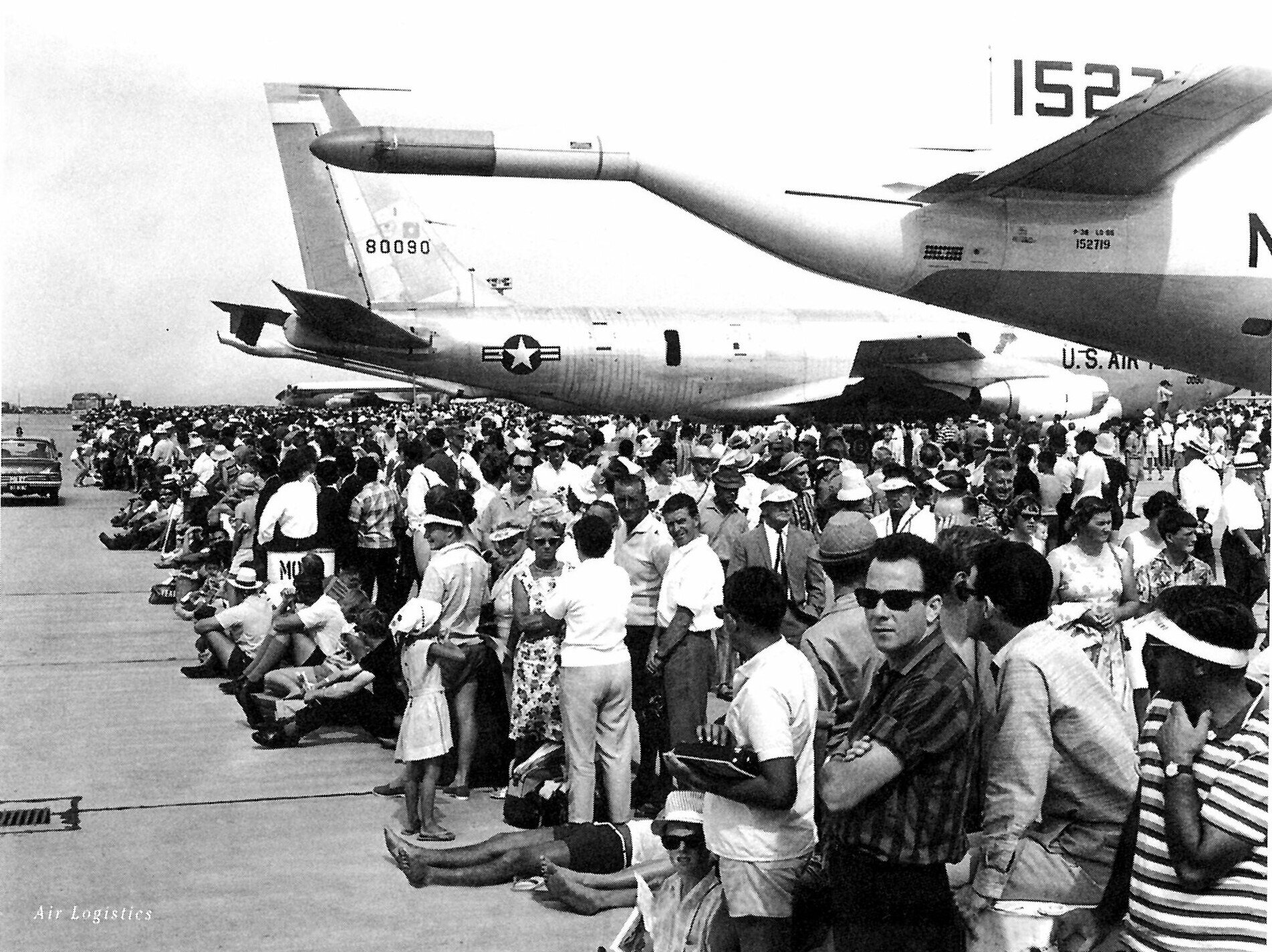
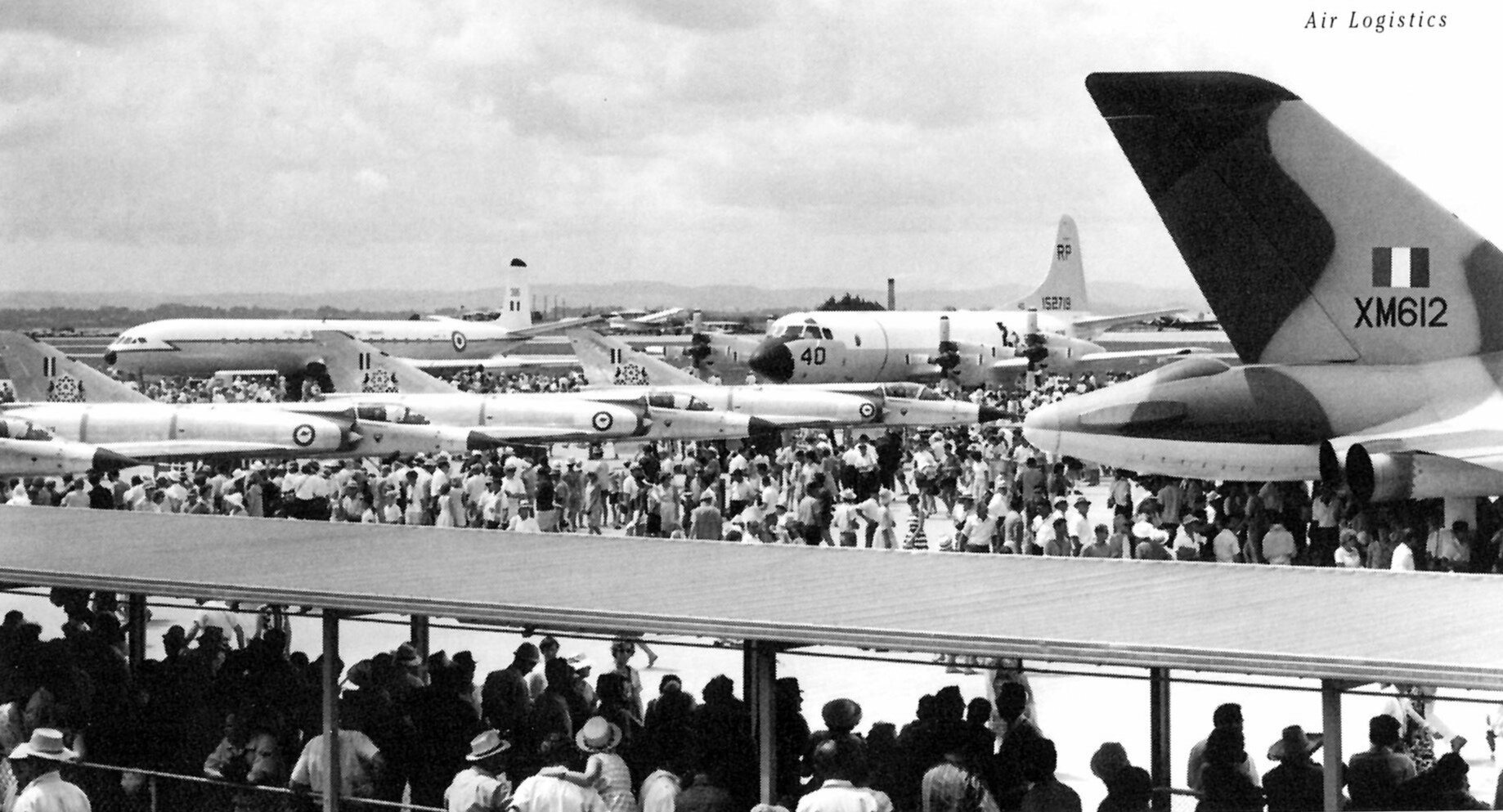
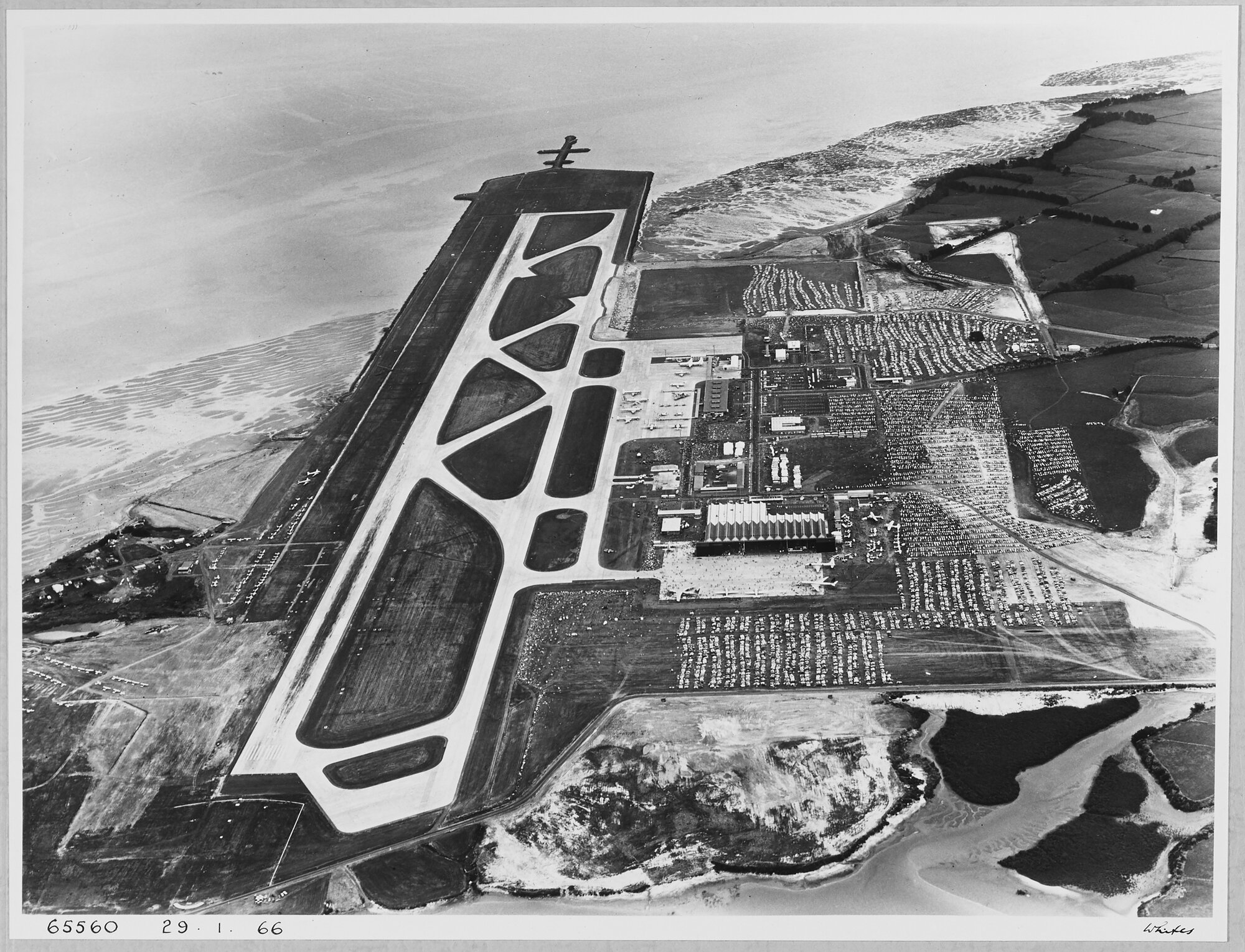
Decades later and into the Jet Age, a days-long 1966 gala for the airport’s opening attracted an estimated 200,000 people.
Nearly half a billion travellers have visited the airport since that party, and more fanfare is expected today while the business embarks on some of its biggest-ever projects, including a multibillion-dollar infrastructure upgrade with a new domestic jet terminal.
“You’ll have an indoor, four or five-minute walk from your domestic jet flight to your international jet flight,” Auckland Airport chief executive Carrie Hurihanganui said, citing a likely scenario for flyers in the future.
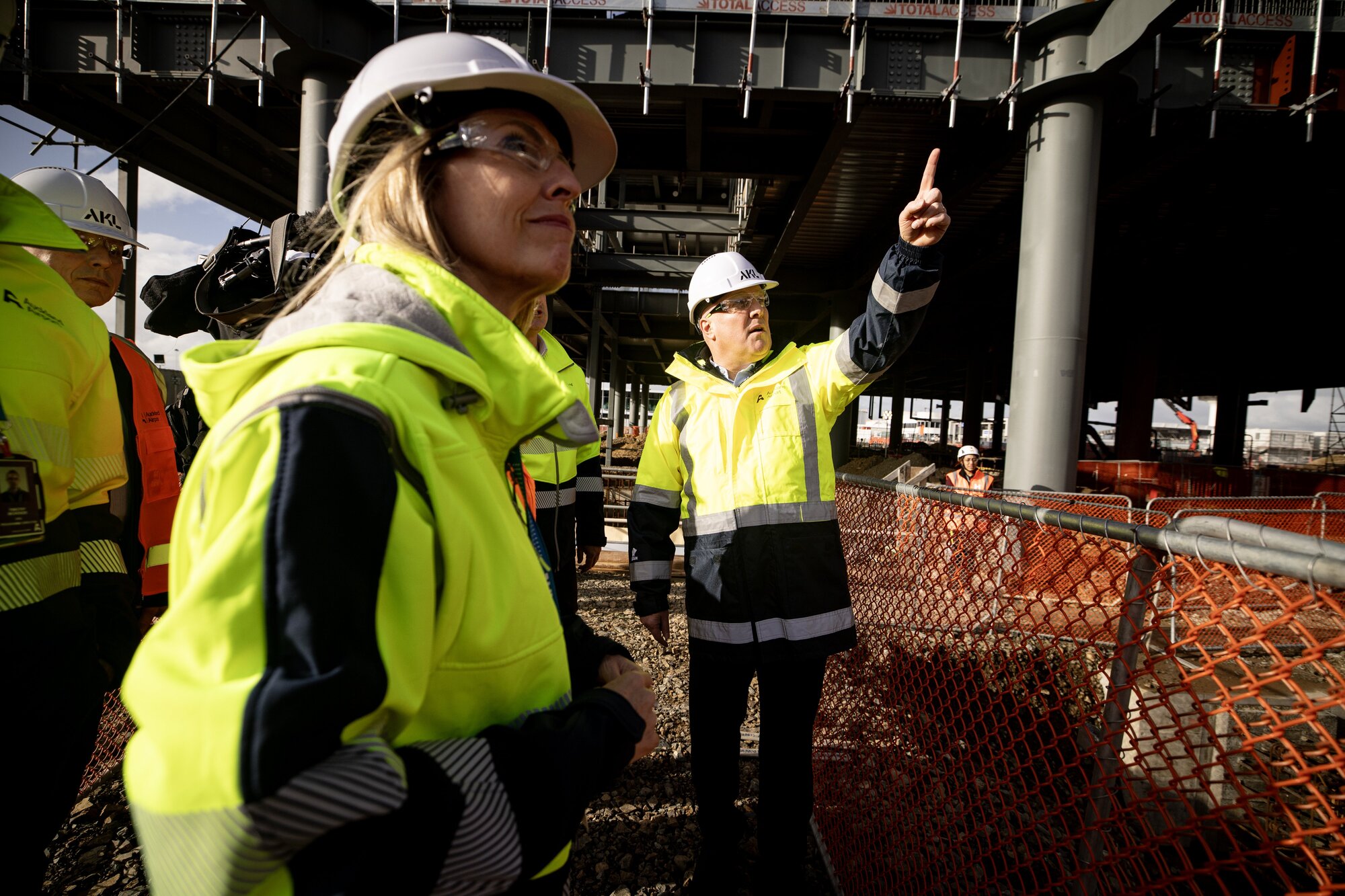
More than 1500 construction workers are on site to build the new terminal, which will be integrated with the current international terminal in a project due for completion in 2029.
Integrated terminals vary from place to place, around when and where domestic and international passengers get segregated for security purposes.
Hurihanganui said in future, a person flying from Wellington via Auckland to Los Angeles would arrive on a domestic flight potentially having checked their bags in through to LA.
The passenger would get off the domestic flight, having already cleared domestic security, and move through Customs into the international departure zone in a type of airside transit process.
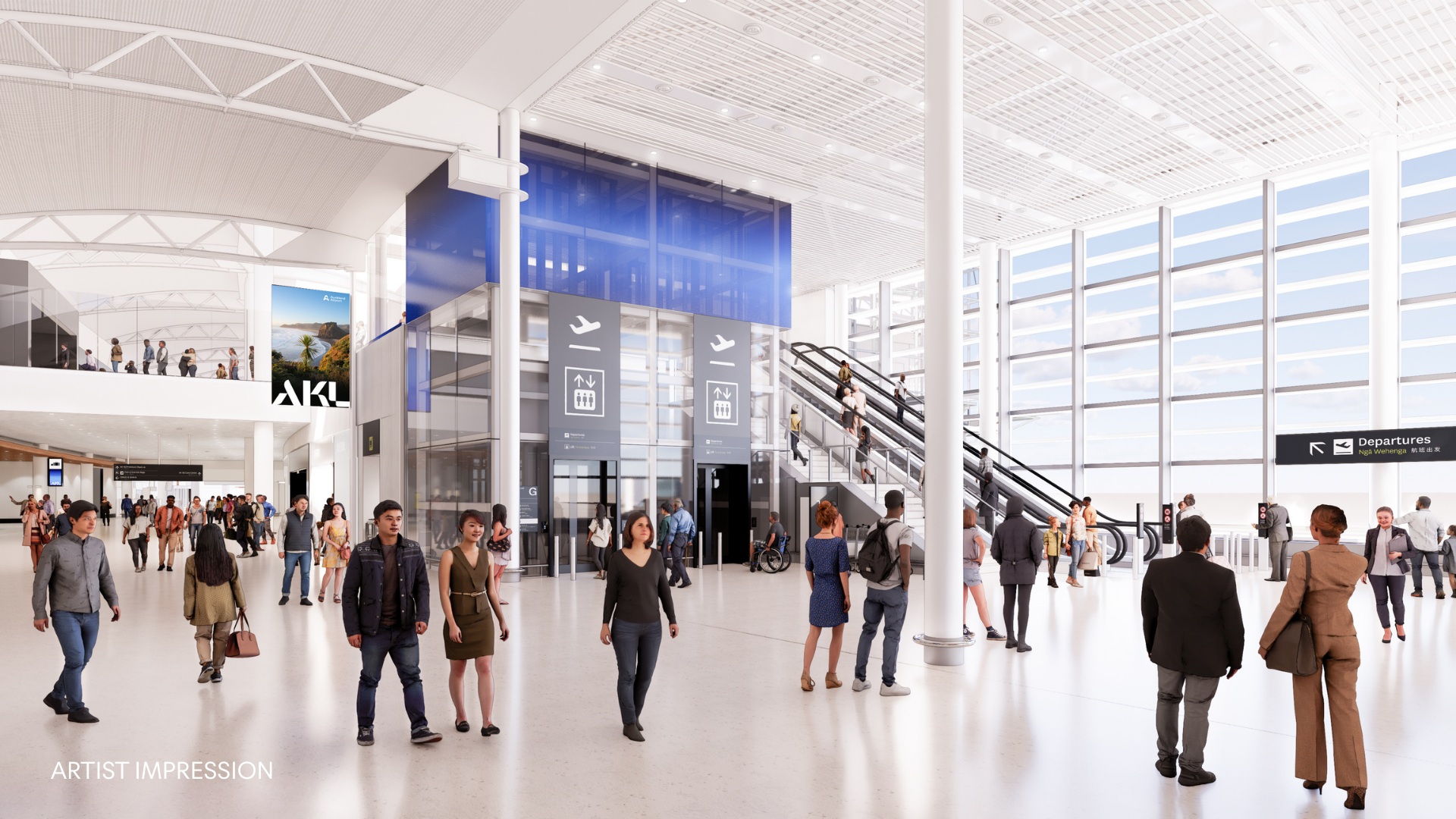
The process should be easier for passengers than current options, Hurihanganui told the Herald.
On display from today, the airport had a Lego model of the airport representing the 1966 terminal and what the future terminal will look like.
The airport expected the new (non-Lego) terminal to boost traveller processing capacity by 44% and add 26% more capacity for domestic airline seats.
Integrated terminals were credited last year by architectural firm Populous and travel advisers The Mercurius Group for saving passengers time, and saving airport companies money by requiring fewer resources.
But some in the broader aviation and travel sector worry about when New Zealand might reach pre-pandemic visitor numbers.
Morningstar analysts last year said they did not expect Auckland Airport to reach those volumes until 2028.
Hurihanganui expected that measure to be met next year, based on recent progress with international visitor numbers.
And she hinted more overseas-based airlines should start flying to Auckland soon, but for now those contenders were a secret.
In the mix for ‘86
Ahead to the 2080s, even the best airports might have problems if passengers can’t get to city centres easily. Hurihanganui said the way Aucklanders travelled on land was not sustainable or a good use of the country’s transport assets.
“If I look ahead 60 years, I have a view that there has to be mass rapid transit. Now you’ll question whether that’s a train or mass rapid bus transit or otherwise, but they can be either. We absolutely have to move away from single-occupant vehicles being the primary mode of transfer. It’s not efficient.”
She said the airport frequently engaged with Auckland Transport and Auckland Council about the region’s transport options.
“For Auckland region to maximise its potential, you have to look at it system-wide, and that’s road transport, that’s air, sea, and land ... How do those things connect? How does it enable employment? Auckland Airport is the second-largest employer outside the CBD.”
She said the airport’s master plan was a pathway on how to handle passenger numbers doubling from the current 19 million by 2047.
The draft master plan was out for consultation and the airport expected to have a final version published mid-year.
The country’s big airports have faced some tensions with airlines over fees.
In March last year, Auckland Airport cut charges after the Commerce Commission found the airport’s forecast revenue was “excessive” and targeted returns were unreasonably high.
Cath O’Brien, Board of Airline Representatives (Barnz) executive director, said airports needed long-term planning, just like electricity and water assets.
“We need to ensure that airports are planning and investing sustainably over time. What is really hard to manage is where an airport makes large swings in its capital investment,” she told the Herald.
“New Zealand is a small country with a wholly user-pays aviation system, and sharp cost increases are very hard for our system to handle,” she added.
O’Brien maintained the cost of Auckland Airport’s current investment was problematic.
“This isn’t solely a challenge for airlines and customers. It also impacts affordability for costs of border services, air traffic control, which are all part of the cost base for airlines operating to, from and within New Zealand.”
So will Auckland Airport’s business model in future resemble that of today’s $14 billion listed company?
“The infrastructure required is ultimately dictated by demand. So if passenger growth and cargo growth and all of those elements grow, you have to have the infrastructure to service those needs, and actually that’s to the benefit of airlines themselves,” Hurihanganui said.
She said there was no generic New Zealand airport.
“You have airports that are owned by local councils. You’ve got a number of models across New Zealand. If you’re referring specifically to the regulated airports which are Auckland, Wellington, and Christchurch, the larger commercial airports, the current system actually works well in terms of what regulation provides. It’s intended to provide the balance of giving airports the incentive to invest and to have the appropriate infrastructure for growth.”
She said the airport was currently in a “once in a generational investment” programme which would benefit the country.
She pointed to an EY report from late 2024 finding the airport supported 24,700 jobs and $35.1b in economic output. And she said investments to 2032 would make that figure grow to $55b, while the value of freight would rise from about $30b to $40-$41b.
Best and worst airports
But which other airports does the airport boss think are the best or worst?
“If you want it from absolute efficiency and precision, timing, it’s hard to go past Japan. Japan’s got some pretty impressive [airports] in terms of their process and seamlessness of how they operate, which is probably not surprising.
“You also have airports that have great customer propositions and experiences, and you absolutely have to put Changi in the mix,” Hurihanganui said of the Singapore airport.
“They are efficient and have great retail offerings and customer experiences.”
She also cited Istanbul, which this week won Cirium’s Platinum Airport Award.
Cirium said great airports knew how to respond when pressure was on, and Istanbul was good at limiting delay severity and reducing passenger disruption, even during peak demand.
For Auckland’s chief executive, the worst airports were those which made it a hassle for people to find ways from one terminal to the other.
“Everybody understands sometimes there are queues in a busy period, but often there’s a lack of communication ... so I’ll go back to the word ‘seamless’. If you make it easy for me as a traveller, then generally I enjoy the experience, and the airports that probably are the least favourite are the ones that struggle to do that the most.”
Back in the 1960s, the airport’s first airline partners were Air New Zealand, Qantas, and then Canadian Pacific Airlines, now known as Air Canada.
Air New Zealand chief executive Nikhil Ravishankar sent his congratulations, saying the airline looked forward to working with the airport to deliver the country’s vital infrastructure for another 60 years.
“Over six decades Auckland Airport has been an important partner, playing a pivotal role in helping us connect New Zealanders with each other, and New Zealand with the world.”
An airport history book showed the runway was twice extended for widebody aircraft: First for the Boeing 747 in 1973 and then for the even bigger, fully double-decker Airbus A380 in 1992.
Auckland Airport today said 25 international airlines reached 43 destinations, while national and regional carriers served 23 New Zealand towns and cities.
The 60th birthday party may not attract the 200,000 who turned out in 1966 - but tens of millions more will likely pass through the terminals in the next 60 years.
John Weekes is a business journalist covering aviation and courts. He has previously covered consumer affairs, crime, politics and courts.
Stay ahead with the latest market moves, corporate updates, and economic insights by subscribing to our Business newsletter – your essential weekly round-up of all the business news you need.