Lebanese leaders slam Iran, say country should not be used as 'bargaining chip'
Lebanon’s president and prime minister criticised Iran on Friday (local time) for rejecting the latest ceasefire deal between the Lebanese government and Israel, saying their country should not be used by Tehran as a “bargaining chip” in its talks with Washington.
The comments by the country's leaders came as the Israeli military struck multiple parts of southern Lebanon and issued evacuation warnings for nine villages, including one that has shelteredthousands of people displaced by the three-month war. The strikes killed nine people in six locations in southern Lebanon, the state news agency reported.
Addressing a statement issued a day earlier by Iran's Revolutionary Guard, Lebanese President Joseph Aoun said: “It’s not your job to interfere into our country. I reject the statement totally because our people (are) being killed, our houses being destroyed.”
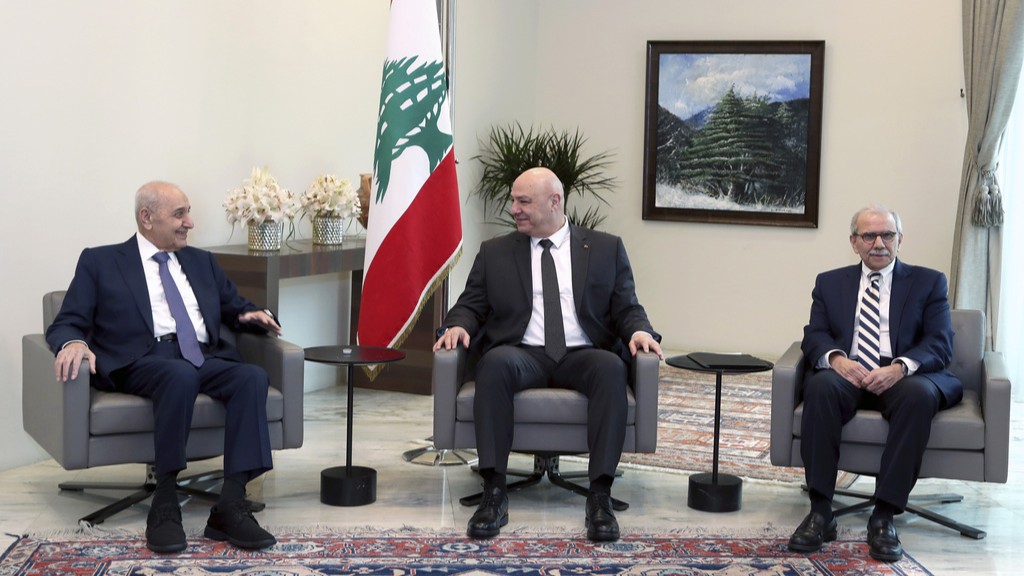
Iran, he told CNN, is “using Lebanon as a bargaining chip in their negotiations with the United States”.
In separate remarks, Prime Minister Nawaf Salam called on the Lebanese people to put the interest of their country first, saying that Lebanon "should not remain a battlefield for others”. He added that Iran should stop dealing with southern Lebanon and its people as “a bargaining chip to improve the conditions of its negotiations”.
Latest ceasefire seeks to pull Lebanon away from Iran
Iran has demanded that any lasting truce should extend to Lebanon. The Revolutionary Guard statement said, “there will be no calm in the region if the Zionists don’t withdraw from occupied Lebanese territories”.
The ceasefire deal has also been rejected by the Iranian-backed Hezbollah militant group, which demanded a complete Israeli withdrawal from Lebanon. The Lebanese government accuses Hezbollah of dragging the country into war and had made efforts to disarm it before the latest hostilities.
The US-brokered agreement that was reached Wednesday in Washington sought to pull Lebanon away from Iran with a statement that any agreement to cease hostilities must be reached directly through Lebanon and Israel “and not through any separate track”.
Aoun said Hezbollah should also understand that negotiations and diplomacy are the only way “to save what’s left” of Lebanon.
Speaking at a meeting at government headquarters in Beirut, Salam said: “Let me be clear in front of you. The people of south Lebanon are not part of the war between Iran and America”.
Meanwhile, the new evacuation warnings forced hundreds of Lebanese families to flee the village of Anqoun and the area of Aarnaya, on the edge of the predominantly Christian community of Maghdoucheh, near the southern port city of Sidon. Elsewhere, people began to return to their homes to survey the aftermath of fighting between Israeli forces and the Hezbollah militant group.
Some villages are in ruins
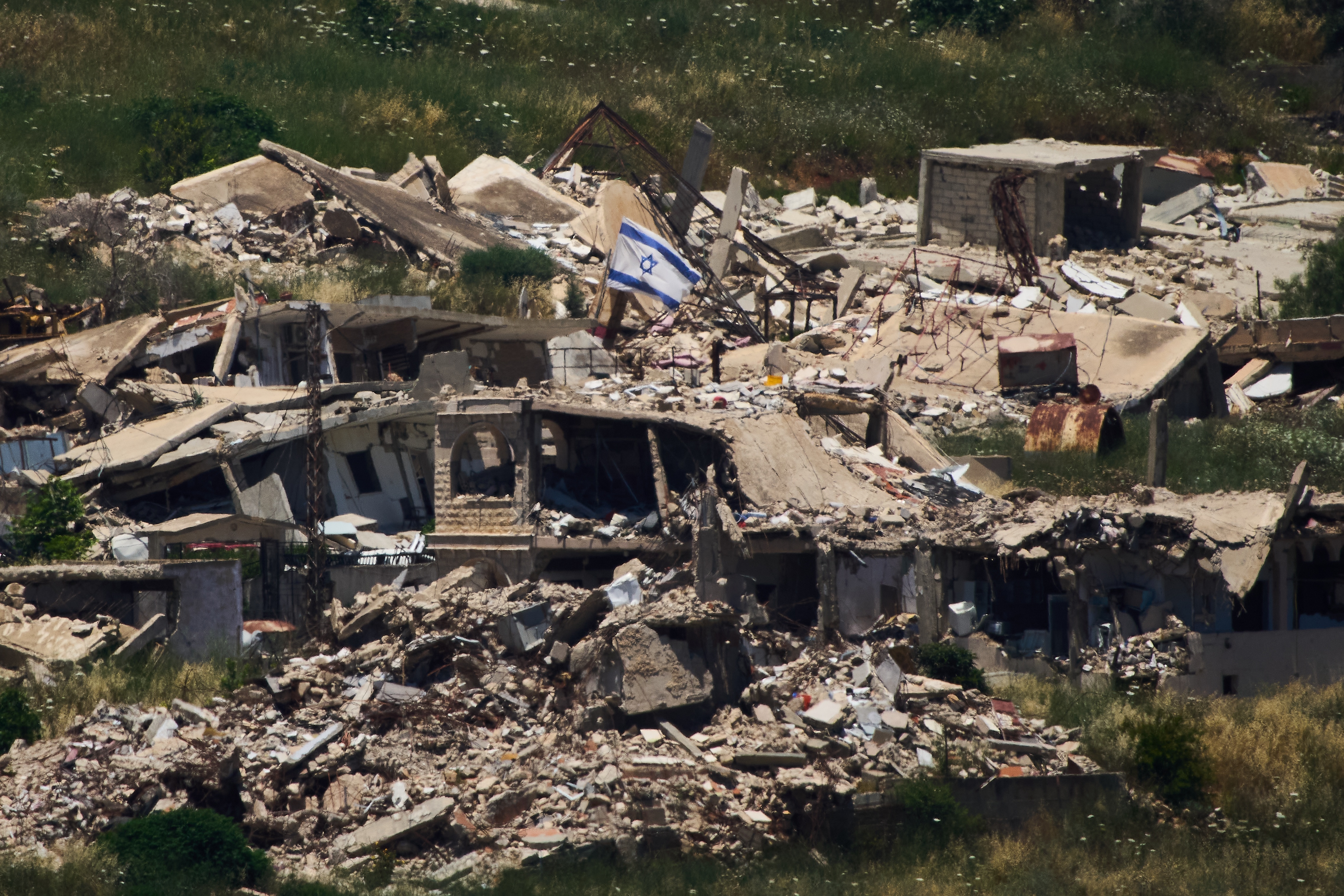
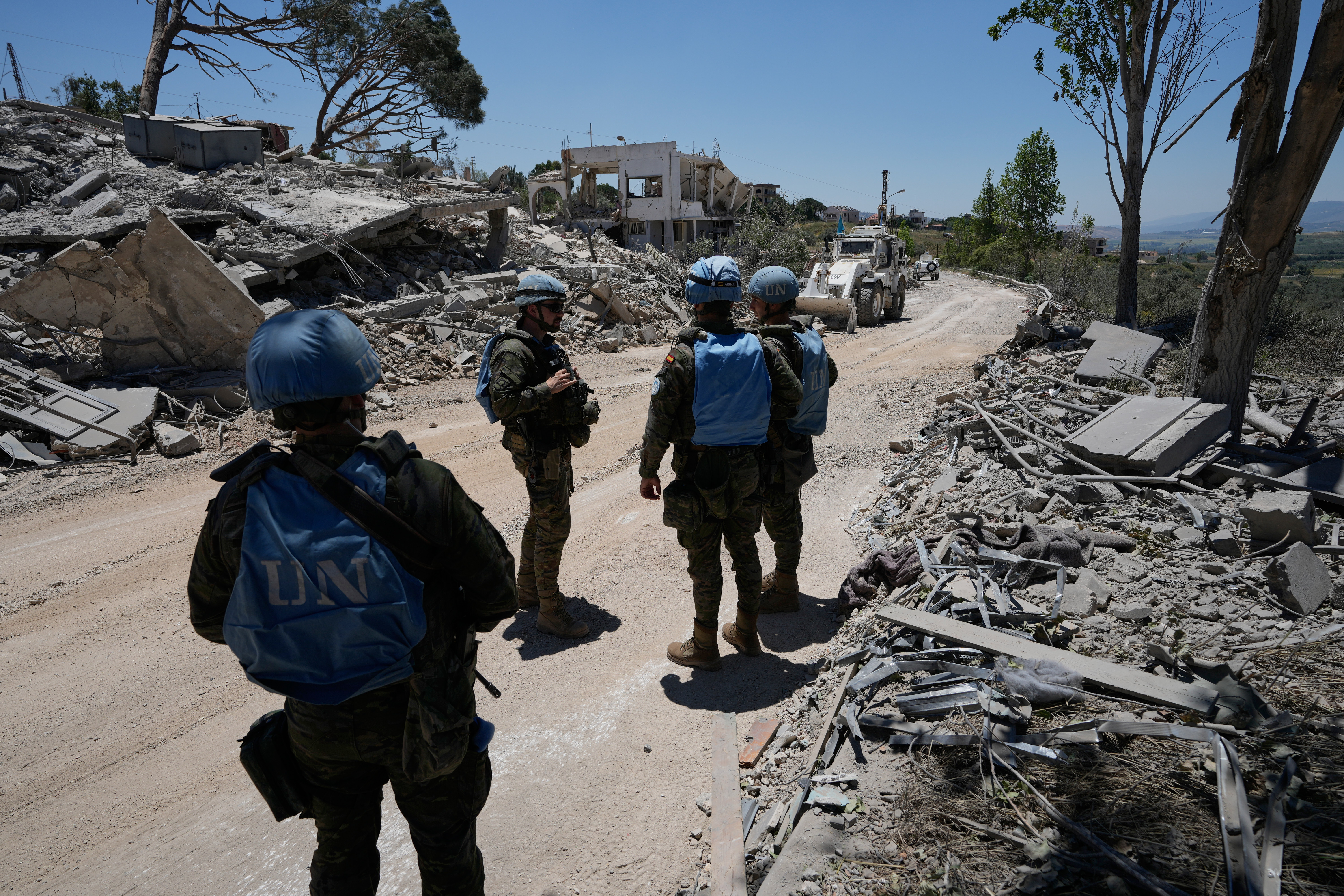
Wide parts of the south have already been devastated by the war. An Associated Press team travelling in the south Friday saw multiple villages in ruins, including Dibbine, near Marjayoun town, from which Israeli troops withdrew a day earlier.
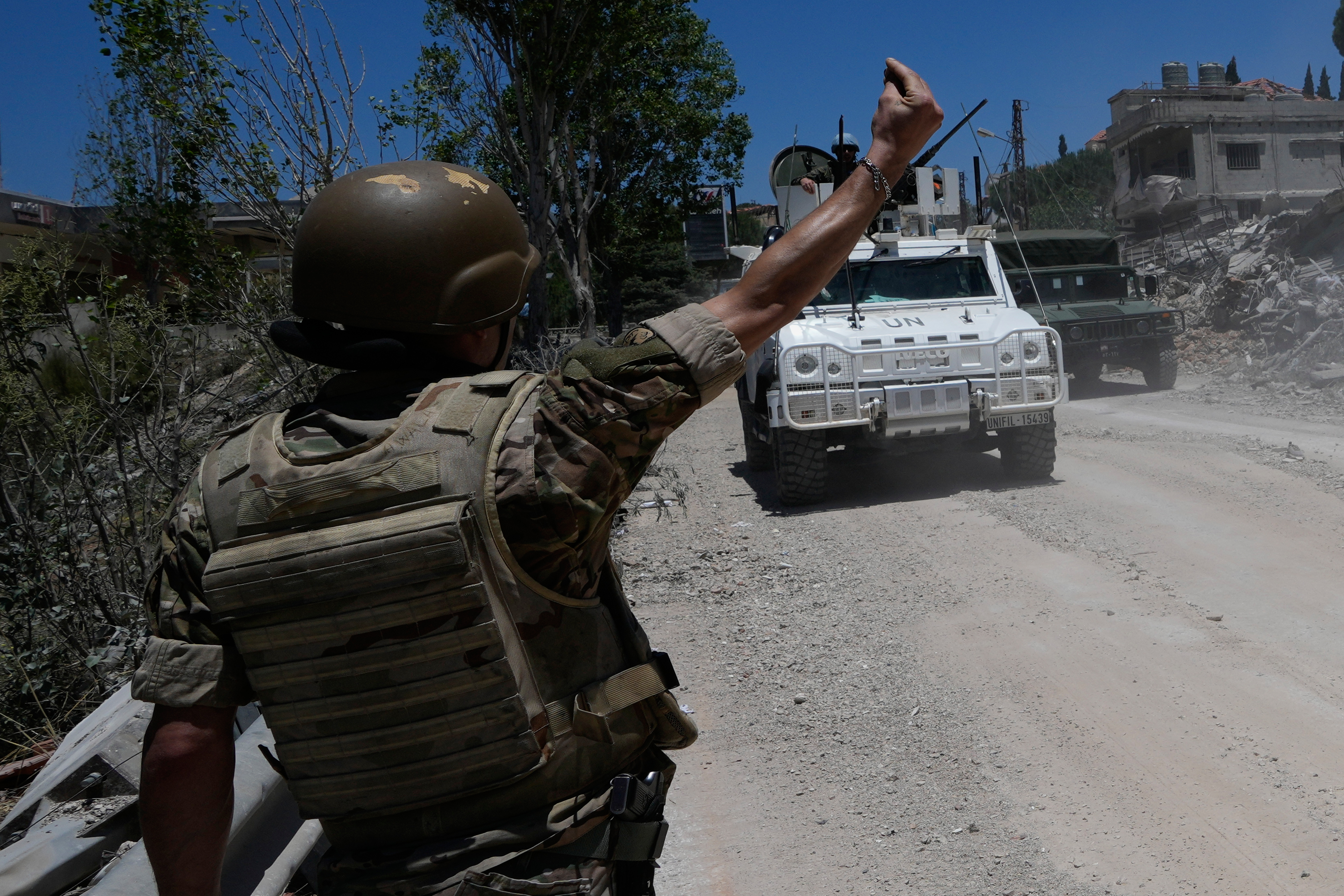
It was the first time Israeli troops pulled out of an area in southern Lebanon since the latest Israel-Hezbollah war began in early March. UN peacekeepers and Lebanese troops were at the entrance of Dibbine, clearing rubble and opening roads.
The Lebanese army set up barbed wire at one of the entrances, preventing some residents from returning.
At least one family arrived to search the rubble of its home along the road leading to the village, while the owner of a petrol station in Dibbine looked at his destroyed property and called village residents to report on the destruction he saw from behind the barbed wire.
Shrapnel and pieces of missiles were seen in the rubble of homes lining the road into Dibbine. Israeli troops entered the village weeks ago for the first time and were engaged in heavy clashes with Hezbollah fighters in the area. The troops returned this week, before withdrawing Thursday.
The road to Dibbine was dotted with villages entirely emptied of residents and destroyed by Israeli strikes, including Khiam. But no Israeli troops were visible from the road.
Nearby Christian villages were largely untouched, and many of their residents decided to stay. The strategic Beaufort castle, recently captured by Israel, appeared in the distance, with a flag of the Israeli Golani Brigade. Smoke from strikes around the nearby Nabatiyeh city billowed above.
Nearly three hours after Friday’s evacuation warnings were issued by the Israeli military’s Arabic spokesperson, Israeli warplanes struck the Lebanese villages, including Anqoun. About 2500 people displaced by the fighting were sheltering in Anqoun, the Lebanese news agency NNA reported.
Israel had warned Lebanese residents against returning to villages in the south, saying the area is still a combat zone.
Parliament speaker makes first comments since ceasefire deal
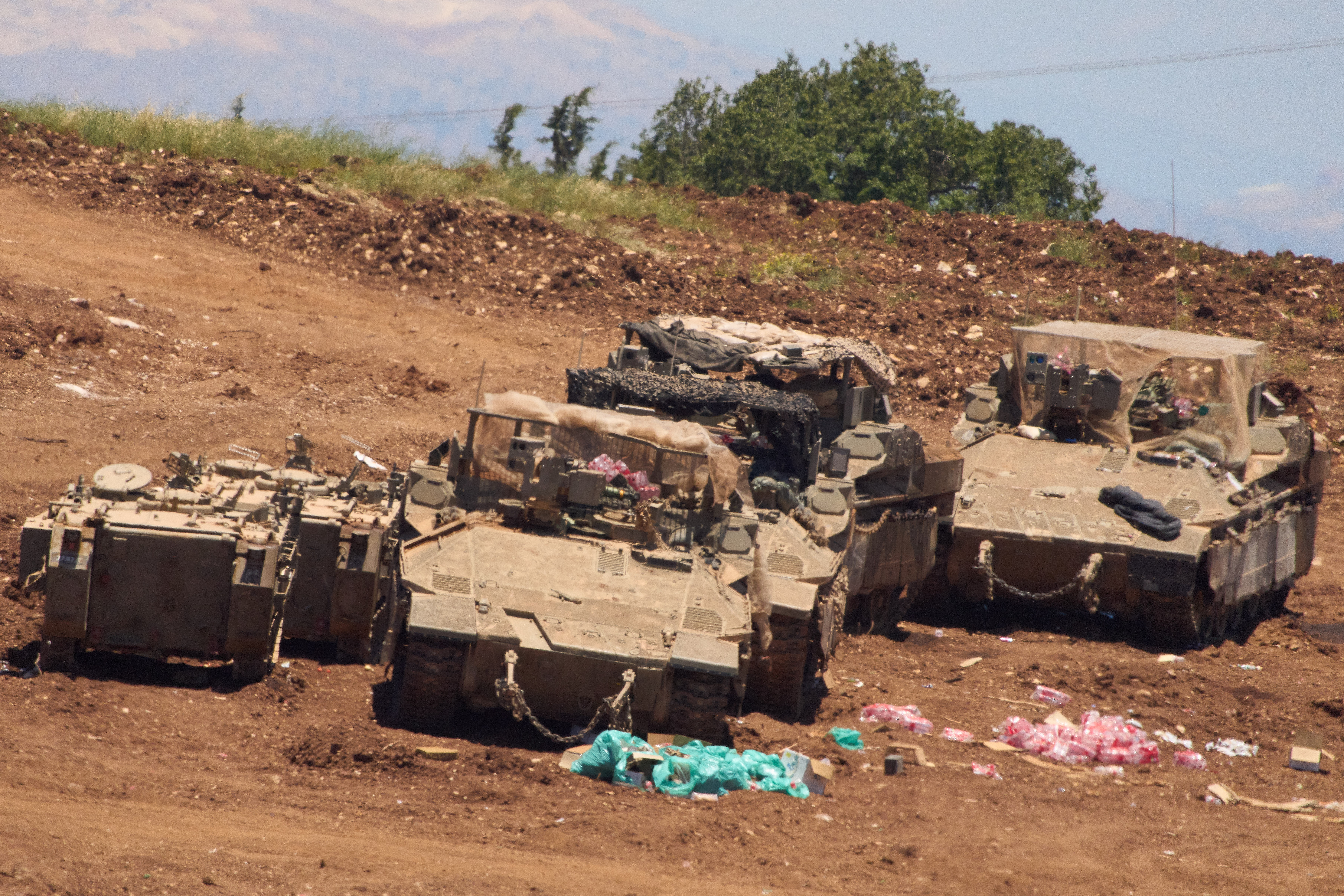
Lebanese Parliament Speaker Nabih Berri, a strong ally of Hezbollah who has been acting as a mediator on behalf of the group, echoed the militants' demands for a broad Israeli withdrawal. In his first comments since the agreement was announced Wednesday in Washington, Berri said that he accepts Hezbollah’s withdrawal from the areas south of the Litani River as long as it coincides with the withdrawal of Israeli troops from southern Lebanon.
The river, about 30 kilometres north of the border with Israel, forms the boundary of a 2006 UN-established buffer zone in which Hezbollah is banned. Israeli troops have pushed far past the river into southern Lebanon.
Berri added in a written statement that the ceasefire should be “complete and comprehensive”, without any exceptions for land, sea or air, and “without bulldozing and demolishing everything that exists”. He was referring to wide areas that have been demolished by Israeli troops.
US forces board tanker linked to Iran
The war in Lebanon, where Israeli forces have seized large swaths of the south since March 2, threatens efforts to end the Iran war and reopen the Strait of Hormuz, a globally important conduit for oil, natural gas, fertiliser and other commodities.
Israeli Prime Minister Benjamin Netanyahu, who faces elections later this year, wants to press ahead with Israel’s offensive until Hezbollah no longer poses a threat.
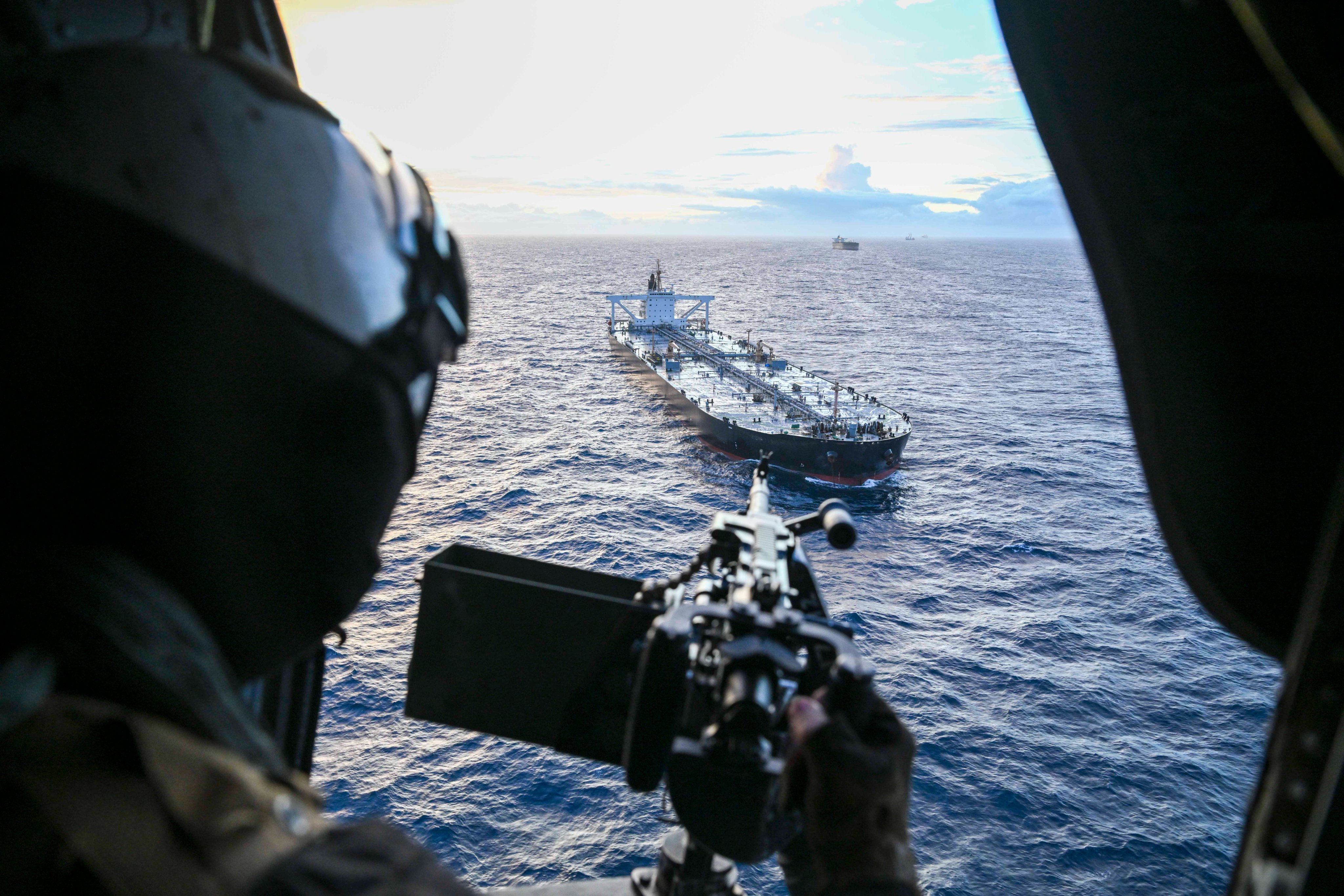
In Iran-related developments, American forces boarded a sanctioned oil tanker linked to the Islamic Republic in the Indian Ocean, the US military said Friday.
US Indo-Pacific Command posted on X that the forces boarded the MT Davina, without offering details. US forces around the world have sought to prevent Iran from profiting off its oil and other goods. They have been directed to stop ships tied to Tehran or those suspected of carrying supplies that could help its government.
The US Navy has imposed a blockade of Iran’s ports as part of an effort to force Tehran to open the strait and accept a deal to extend a tenuous ceasefire in the war.
Israeli troops have seized around a fifth of Lebanon, pushing further into the country’s south than at any time since the end of Israel’s 1982-2000 occupation.
More than 3500 people have been killed in Lebanon since the war began. The fighting has killed at least 29 Israeli soldiers and three civilians.