Huffer accused of using AI to recreate real models without permission
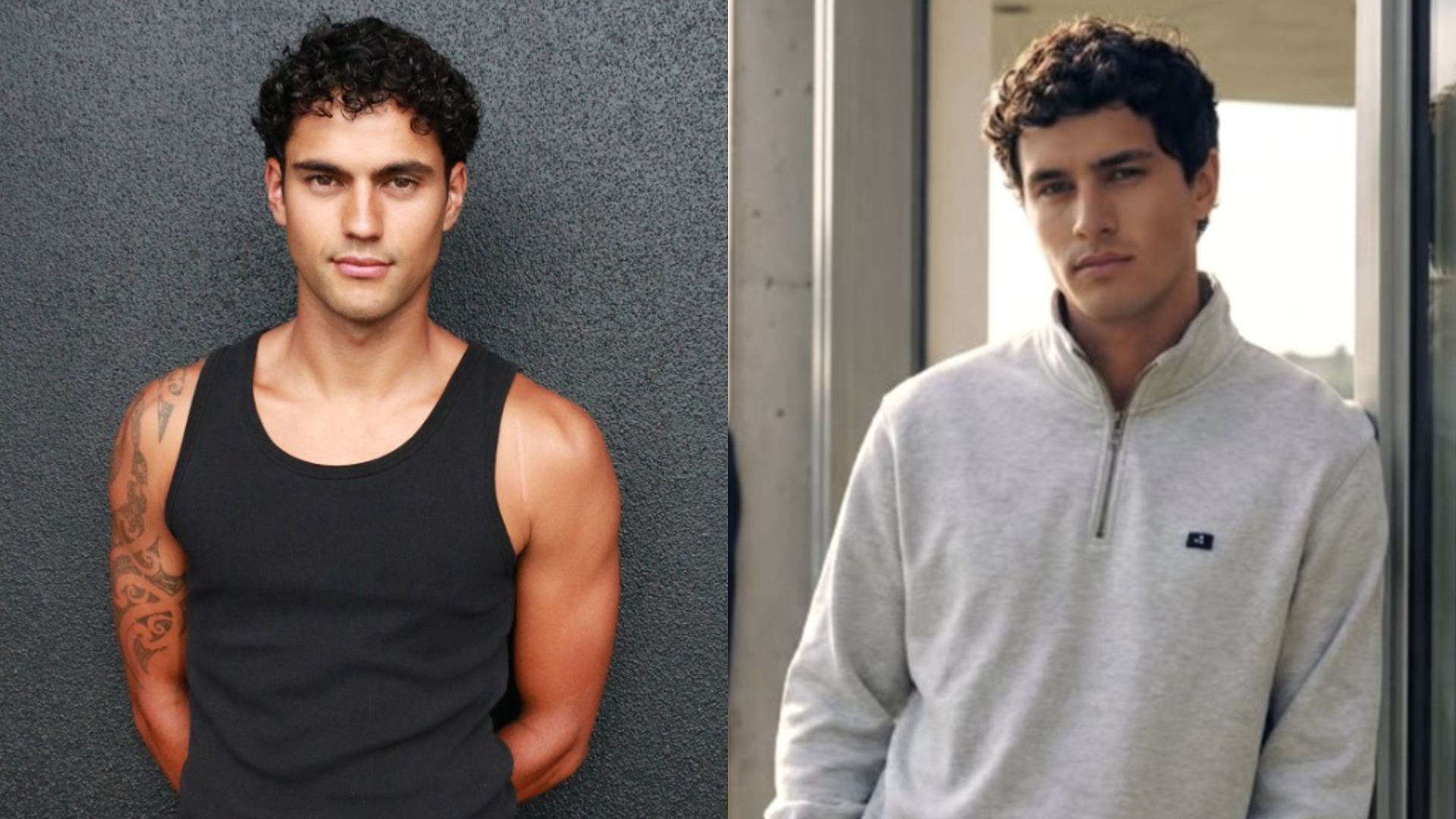
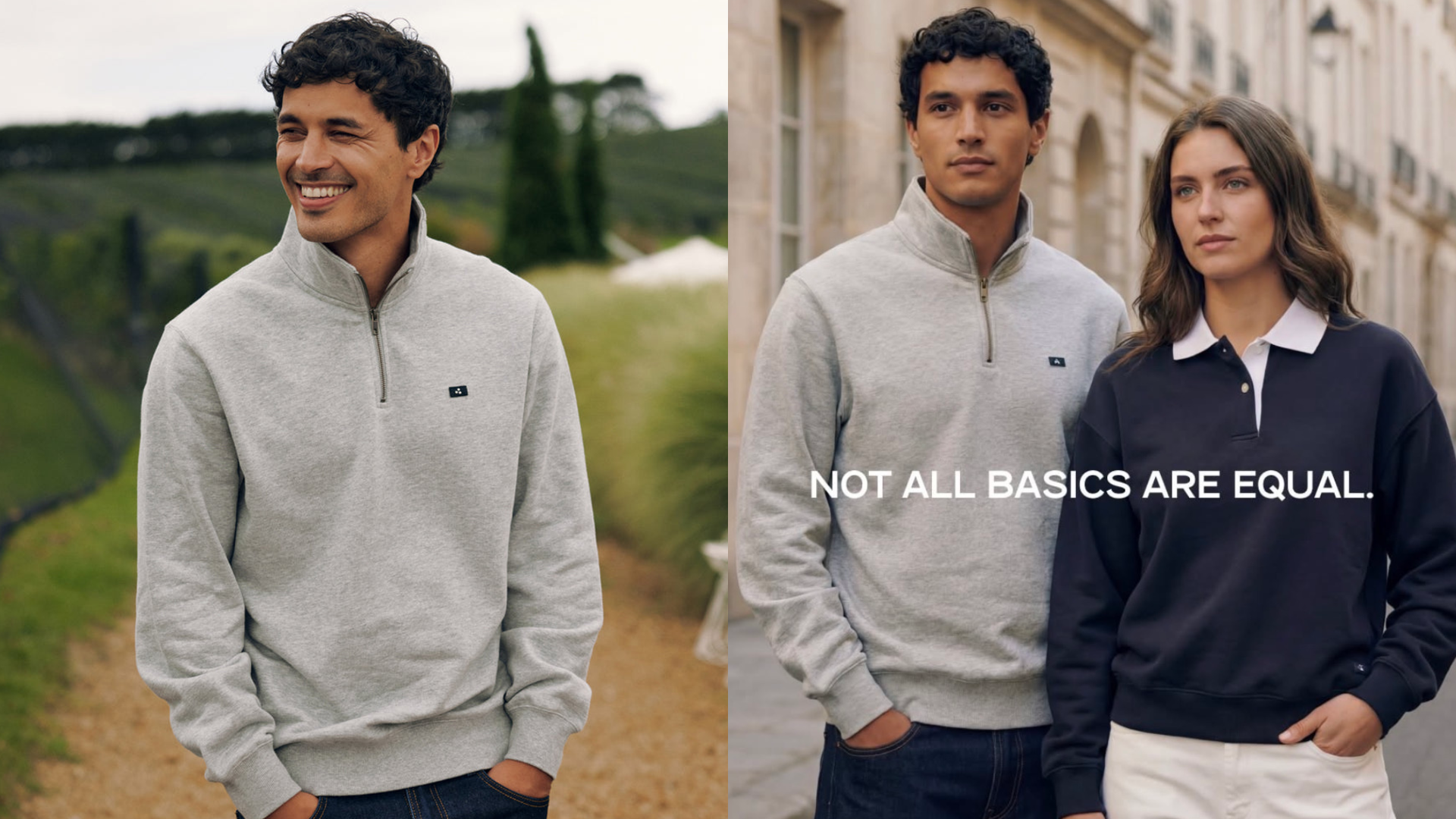
New Zealand clothing brand Huffer is facing growing scrutiny over allegations it used artificial intelligence to generate campaign images resembling former models – without their knowledge or consent.
The controversy was sparked by Auckland model Elijah Timmins-Scanlon, who posted a video to social media accusing the brand of using AI-generated figures that appeared to be based on himself and others who have previously worked with Huffer.
Kiwi model claims streetwear label's using his image in AI pictures - Watch on TVNZ+
The video quickly gained traction online, drawing support from models, photographers and others in the creative industry.
Huffer's managing director Kate Berry repeatedly declined to answer directly whether the brand had used real models’ images to create AI-generated content.
Instead, she said Huffer used "computer-assisted technologies" throughout its business and maintained the company is comfortable with its policies and use of digital technology.
Timmins-Scanlon said he first became suspicious after seeing an Instagram advertisement featuring a model who looked strikingly similar to him.
“I scrolled past an ad of an image that looked very similar to me,” he told 1News.
“As I zoomed in, it wasn’t me.”
He initially wondered whether the image was his brother, who had also modelled for the brand, before concluding it was neither of them.
Do you know more? Email ed.o'driscoll@tvnz.co.nz
Timmins-Scanlon said Huffer had since blocked him on Instagram after he raised concerns about the use of AI.
1News also spoke to another model, Akshay Raju, who previously appeared in a Huffer photoshoot wearing the same garments featured in the images.
“The garments that these AI models are wearing are the same ones that I'm wearing and then very similar poses and positions,” he said.
“It kind of looks like a hybrid between me, Elijah and a few other people.”
Raju said he had never been informed that AI might be used after the shoot.
“As far as I'm aware, it was in my agency contract that AI has to be disclosed if it's going to be used, and I definitely was not made aware about this in any form.”
He said his concern was not necessarily the use of AI itself, but the lack of transparency around how it was being deployed.
Mandy Jacobsen from the agency Red11, which represents Timmins-Scanlon, said the use of AI without consent is hugely problematic.
“Their look is their livelihood, and they don’t want to see a picture of themselves being used for things they didn’t agree to,” she said.
Jacobsen said her agency has already begun having conversations with brands about the future use of AI in campaigns.
“If a client wants to use AI, then let’s have that conversation. But the model needs to know what’s happening and they need to be compensated.”
The allegations have highlighted a growing legal grey area as AI-generated content becomes more widespread.
Catlin Hadlee, a litigator specialising in entertainment and intellectual property disputes at Hudson Gavin Martin, said the law in New Zealand is still catching up.
“Transparency is important. And consent is key,” she told 1News.
She said whether using a model’s likeness without consent is illegal depends on several factors – particularly the contract between the model and the company.
“The first thing lawyers would look at is the contract,” she said.
“Has the model agreed to future uses of their image? Has the model agreed to their likeness being used in this way?”
Beyond contractual issues, Hadlee said there could also be questions under the Fair Trading Act if consumers were misled into believing a person endorsed a product when they did not.
Potential copyright issues could also arise if existing photographs were used to create AI-generated content without permission.
Unlike many jurisdictions in the United States, New Zealand does not currently have a standalone legal right preventing the commercial exploitation of a person’s likeness, Hadlee said.